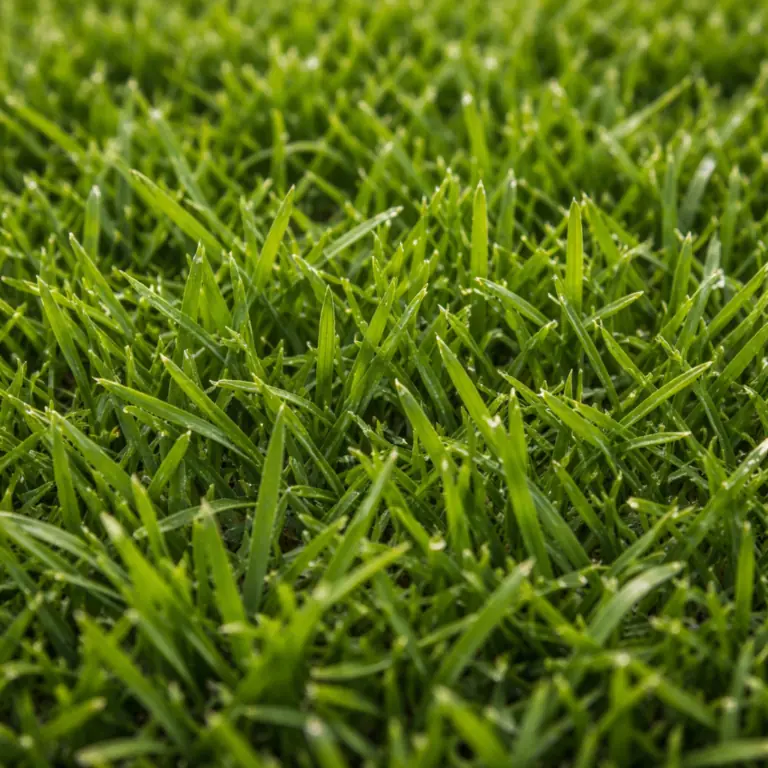
Bermuda Grass in Austin, TX: Care Guide
Is Bermuda Grass Right for Austin?
Bermuda grass is an excellent choice for USDA zone 8b, where average minimum winter temperatures range from 15-20°F. This hardy warm-season grass thrives in the zone's hot summers and mild winters, making it ideal for high-traffic areas like athletic fields, playgrounds, and active family lawns. The primary challenge in zone 8b is managing the winter dormancy period, which typically lasts 3-4 months compared to shorter dormancy periods in warmer zones. Bermuda grass requires full sun exposure (6-8 hours daily) and struggles in shaded areas, which can limit its use in heavily wooded properties.
The seasonal performance cycle in zone 8b follows a predictable pattern. Green-up begins when soil temperatures consistently reach 65°F, usually occurring in mid to late March. The grass enters its peak growing season from May through September when temperatures range from 80-95°F, during which it can grow 1-2 inches per week under optimal conditions. Dormancy typically begins in late November when nighttime temperatures drop below 50°F for consecutive nights, causing the grass to turn brown and cease active growth until the following spring.
Bermuda grass performs best in well-draining soils with a pH between 6.0-7.0 and requires moderate to high water inputs during the growing season. Apply 1-1.5 inches of water weekly through irrigation or rainfall, watering deeply but infrequently to encourage deep root development. The grass requires 4-6 pounds of nitrogen per 1,000 square feet annually, split into 3-4 applications during the growing season. Compared to alternatives like Zoysia or St. Augustine grass, Bermuda offers superior drought tolerance and recovery ability but requires more frequent mowing and has aggressive spreading tendencies that may require regular edging.
Long-term maintenance expectations include weekly mowing during peak season at a height of 1-2 inches, monthly fertilization from April through August, and annual dethatching when thatch accumulation exceeds 0.5 inches. Plan for overseeding with cool-season ryegrass if year-round green color is desired, applying 6-8 pounds per 1,000 square feet in early October. Expect to invest in aggressive weed control during spring green-up when the grass is vulnerable to cool-season weeds. While Bermuda grass requires intensive management, its exceptional heat tolerance, rapid recovery from damage, and ability to withstand heavy foot traffic make it the premier choice for zone 8b properties prioritizing durability and performance over low-maintenance requirements.
How to Plant Bermuda Grass in Austin
Best Method
seeding or sprigging
Best Time
late spring to early summer (May-July) when soil temperature is consistently 65-70°F
Establishment
2-3 weeks for germination, 8-10 weeks for full establishment
Soil Preparation
Till soil 4-6 inches deep and maintain pH between 6.0-7.0 for optimal growth. Add 2-3 inches of compost and level the area, ensuring good drainage.
Watering During Establishment
Water lightly 2-3 times daily to keep soil surface moist during germination period. After germination, transition to deeper, less frequent watering of 0.5 inches every other day.
Seed rate: 1-2 lbs per 1000 sq ft for hulled seed, 2-3 lbs per 1000 sq ft for unhulled seed
Bermuda Grass Care Calendar for Austin
Bermuda grass is dormant and brown. Avoid walking on frozen grass to prevent damage. Plan for spring fertilization and overseeding needs.
Continue avoiding traffic on dormant grass. Begin preparing equipment for spring maintenance. Monitor for winter weeds and apply pre-emergent if needed.
Begin light watering if soil is dry and temperatures reach 65-70°F consistently. Apply pre-emergent herbicide for summer weeds before soil temperature reaches 55°F. Start planning overseeding of thin areas.
Bermuda begins active growth when soil temperature reaches 65°F. Apply first fertilizer application with 1 lb nitrogen per 1000 sq ft. Begin regular watering schedule of 1-1.5 inches per week.
Begin weekly mowing when grass reaches 2-3 inches tall. Apply second nitrogen application if using split feeding schedule. Overseed thin areas with warm-season temperatures established.
Maintain regular mowing at 1.5-2 inch height and consistent watering schedule. Monitor for brown patch and apply fungicide if needed. Apply summer fertilizer with 0.5-1 lb nitrogen per 1000 sq ft.
Increase mowing height to 2-2.5 inches during peak summer heat. Water deeply 2-3 times per week rather than daily light watering. Watch for grub damage and treat if necessary.
Continue summer watering and mowing schedule. Apply late summer fertilizer if grass shows signs of nutrient deficiency. Monitor for drought stress and increase watering if temperatures exceed 90°F consistently.
Reduce nitrogen fertilization to help grass prepare for dormancy. Continue regular watering but begin tapering as temperatures cool. Overseed any remaining bare spots early in month.
Gradually reduce watering frequency as grass growth slows. Continue mowing until growth stops completely. Apply potassium-rich fertilizer to improve cold tolerance.
Stop fertilizing and reduce watering significantly as grass enters dormancy. Rake leaves to prevent smothering the grass. Perform final mowing when growth ceases.
Bermuda grass is fully dormant and brown. Avoid all foot traffic and maintenance activities. Plan next year's care schedule and order supplies.
Bermuda grass is dormant and brown. Avoid walking on frozen grass to prevent damage. Plan for spring fertilization and overseeding needs.
Continue avoiding traffic on dormant grass. Begin preparing equipment for spring maintenance. Monitor for winter weeds and apply pre-emergent if needed.
Begin light watering if soil is dry and temperatures reach 65-70°F consistently. Apply pre-emergent herbicide for summer weeds before soil temperature reaches 55°F. Start planning overseeding of thin areas.
Bermuda begins active growth when soil temperature reaches 65°F. Apply first fertilizer application with 1 lb nitrogen per 1000 sq ft. Begin regular watering schedule of 1-1.5 inches per week.
Begin weekly mowing when grass reaches 2-3 inches tall. Apply second nitrogen application if using split feeding schedule. Overseed thin areas with warm-season temperatures established.
Maintain regular mowing at 1.5-2 inch height and consistent watering schedule. Monitor for brown patch and apply fungicide if needed. Apply summer fertilizer with 0.5-1 lb nitrogen per 1000 sq ft.
Increase mowing height to 2-2.5 inches during peak summer heat. Water deeply 2-3 times per week rather than daily light watering. Watch for grub damage and treat if necessary.
Continue summer watering and mowing schedule. Apply late summer fertilizer if grass shows signs of nutrient deficiency. Monitor for drought stress and increase watering if temperatures exceed 90°F consistently.
Reduce nitrogen fertilization to help grass prepare for dormancy. Continue regular watering but begin tapering as temperatures cool. Overseed any remaining bare spots early in month.
Gradually reduce watering frequency as grass growth slows. Continue mowing until growth stops completely. Apply potassium-rich fertilizer to improve cold tolerance.
Stop fertilizing and reduce watering significantly as grass enters dormancy. Rake leaves to prevent smothering the grass. Perform final mowing when growth ceases.
Bermuda grass is fully dormant and brown. Avoid all foot traffic and maintenance activities. Plan next year's care schedule and order supplies.
Mowing Bermuda Grass in Austin
Ideal Height
1.5-2 inches
Summer Height
2-2.5 inches during peak heat (July-August)
Frequency
weekly during active growth season (April-September)
- • Never remove more than 1/3 of grass blade length in a single mowing
- • Maintain sharp mower blades to prevent tearing and brown tips
- • Mow when grass is dry to prevent clumping and disease spread
Common Bermuda Grass Problems in Austin
Brown Patch Disease
Symptoms: Circular brown patches 1-3 feet in diameter with dark rings around edges
Cause: Fungal infection during hot, humid conditions with nighttime temperatures above 70°F
Solution: Apply fungicide containing propiconazole or azoxystrobin, improve air circulation, reduce nitrogen fertilization, and water early morning only
Grub Damage
Symptoms: Irregular brown patches that can be pulled up like carpet, increased bird or animal digging
Cause: White grubs feeding on grass roots, typically from Japanese beetles or other beetle larvae
Solution: Apply grub control containing imidacloprid or clothianidin in late spring/early summer, maintain proper watering to help grass recover
Drought Stress
Symptoms: Blue-gray color, wilted appearance, footprints remain visible on grass
Cause: Insufficient water during hot summer months or poor soil drainage
Solution: Water deeply 2-3 times per week providing 1-1.5 inches total, water early morning (4-8 AM), improve soil with organic matter
Thatch Buildup
Symptoms: Spongy feel underfoot, water runoff, brown patches, poor fertilizer response
Cause: Excessive organic matter accumulation when thatch layer exceeds 0.5 inches thick
Solution: Dethatch in late spring using vertical mower or power rake, reduce nitrogen fertilization, ensure proper soil pH
Winter Kill
Symptoms: Large dead areas that don't green up in spring, especially in low-lying or shaded areas
Cause: Prolonged freezing temperatures below 20°F, ice damage, or inadequate cold preparation
Solution: Apply potassium fertilizer in fall, avoid late-season nitrogen, ensure proper drainage, overseed damaged areas in late spring
Winter Care for Bermuda Grass in Austin
Apply potassium-rich fertilizer in October to improve cold tolerance and stop nitrogen applications by September to allow proper dormancy. Gradually reduce watering as temperatures drop below 60°F and perform final mowing when growth ceases in November.
Frequently Asked Questions
Is Bermuda grass good for Austin?
Bermuda grass is an excellent choice for Austin (zone 8b). It thrives in heat and drought conditions, making it ideal for sunny lawns that see heavy foot traffic.
When does Bermuda grass go dormant in Austin?
In Austin, Bermuda grass typically goes dormant when soil temperatures drop below 55°F, usually November–December. It turns brown but recovers fully in spring once temperatures rise again.
How often should I mow Bermuda grass in Austin?
Mow Bermuda grass every 5–7 days during its active growing season in Austin (spring through early fall). Keep the height at 1–1.5 inches, Bermuda is one of the few grasses that does better when cut short.