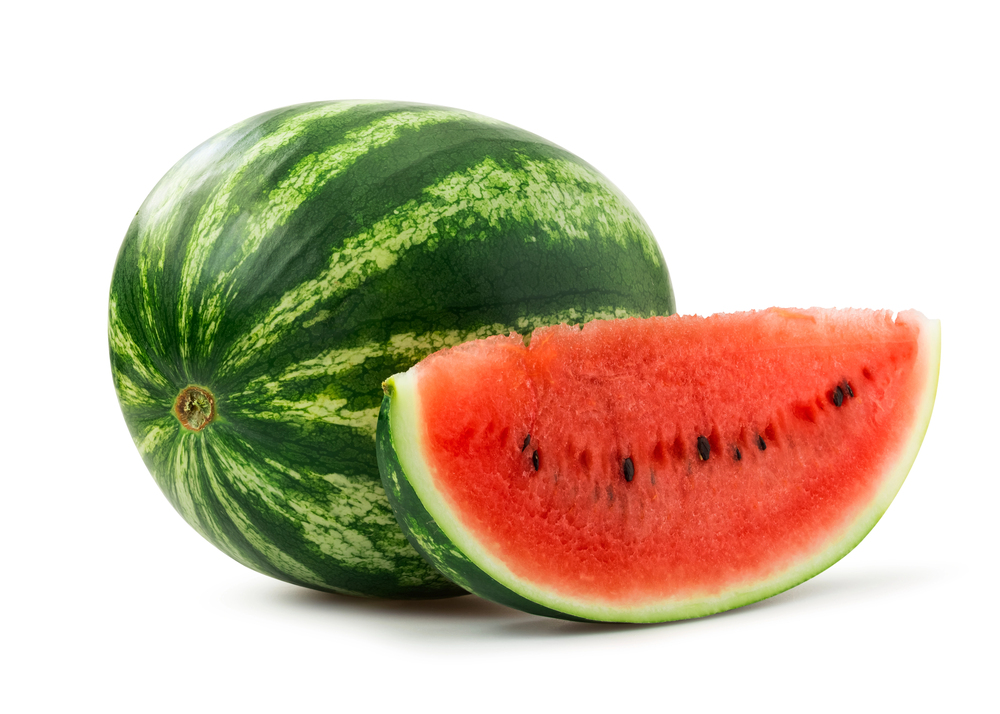
When to Plant Watermelon in Red Deer, AB
Published: April 24, 2026 · Updated:
Heat-loving vining crop that needs 70–90 frost-free days and consistently warm soil. Direct sow in warm climates; start indoors in Zones 4–5 to squeeze in a harvest before fall.
Red Deer's Canadian Zone 3b (USDA 3a) continental climate is colder than Edmonton or Calgary, with only 107 frost-free days and no urban heat island moderation. Cold-hardy crops dominate successful gardens; warm-season crops require aggressive season extension.
⚠ Watermelon is possible in Red Deer only with short-season varieties like Sugar Baby (75 days). Start indoors 4 weeks before last frost, transplant into soil pre-warmed with black plastic mulch, and use row covers until flowering. Expect modest yields compared to warmer Canadian regions.
Watermelon Planting Calendar for Red Deer
Start seeds indoors: May 7–14
Transplant outdoors: June 11–21
Direct sow outdoors: June 11–21
Harvest window: August 20 – September 9
Minimum soil temperature: 18°C (65°F)
Days to harvest: 70–90 days
Sun requirement: Full sun (8+ hours)
⚠ Plant watermelon 2 weeks after last frost when soil exceeds 65°F. Needs 70–90 frost-free days. Direct sow in warm climates; start indoors in Zone 4–5.
Red Deer Climate Notes
Red Deer has one of the shortest growing seasons of any major Canadian city. Focus on cool-season crops that thrive below 20°C. Raised beds warm soil 4-6°C faster in spring — effectively extending the season by 2 weeks. Cold frames and row covers are essential tools.
Growing Tips for Watermelon
- Plant on a warm, sunny slope or use black plastic mulch to maintain soil temperature above 70°F all season.
- Give each plant 6 feet of space — watermelon vines sprawl and need room to run.
- Water deeply twice a week during fruit development; reduce watering as melons near ripeness to concentrate sugars.
- Test ripeness by thumping (hollow sound), checking the curly tendril nearest the fruit (should be brown), and the ground spot (should be creamy yellow).
Companion Planting in Red Deer
Pair watermelon with Corn, Radish, Nasturtium, Marigold for mutual benefit. Avoid planting near Cucumber, Potato, Fennel, which compete with or inhibit watermelon growth.
Pests and Problems to Watch in Red Deer
The most common pest and disease pressure on watermelon in Red Deer comes from Cucumber Beetle, Squash Bug, Aphids, Fusarium Wilt. Floating row covers through the first 4–6 weeks after planting block adult pests from laying eggs, and a weekly scouting routine catches infestations before they damage the crop.
Other Alberta Cities
Frequently Asked Questions
When do I plant watermelon in Red Deer?
Red Deer's last spring frost is around May 28. Start seeds indoors May 7–14. Transplant outdoors June 11–21. Watermelon is possible in Red Deer only with short-season varieties like Sugar Baby (75 days). Start indoors 4 weeks before last frost, transplant into soil pre-warmed with black plastic mulch, and use row covers until flowering. Expect modest yields compared to warmer Canadian regions.
What Canadian hardiness zone is Red Deer?
Red Deer is in Canadian Zone 3b (USDA equivalent 3a). The central Alberta continental climate delivers 107 frost-free days from May 28 to September 12, which shapes every planting date in the local calendar.
How long is Red Deer's growing season?
Red Deer has 107 frost-free days — from May 28 in spring to September 12 in fall. That is more than enough time to finish a full watermelon crop (70–90 days to maturity) before the first fall frost.
Can I grow watermelon in containers in Red Deer?
Yes. Container growing on balconies and decks is practical in Red Deer — choose a 5-gallon or larger dark-coloured container to warm the root zone, use a high-quality potting mix, and water daily during hot summer weather. In Canadian Zone 3–4, a sheltered south-facing location adds 2–3 weeks to the effective season.
What is the first fall frost in Red Deer?
Red Deer's average first fall frost is September 12. Most watermelon in Red Deer is a single spring-timed planting designed to harvest before the first fall frost.