When to Plant Sunflowers in Saskatoon, SK – 2026
Published:
Saskatoon is in Canadian Zone 3b (semi-arid Prairie continental). Last spring frost averages May 20; first fall frost September 20; the growing season runs about 123 frost-free days. Plant sunflowers in Saskatoon from june 1 through 15 (after last frost — calgary june 7, edmonton june 2)..
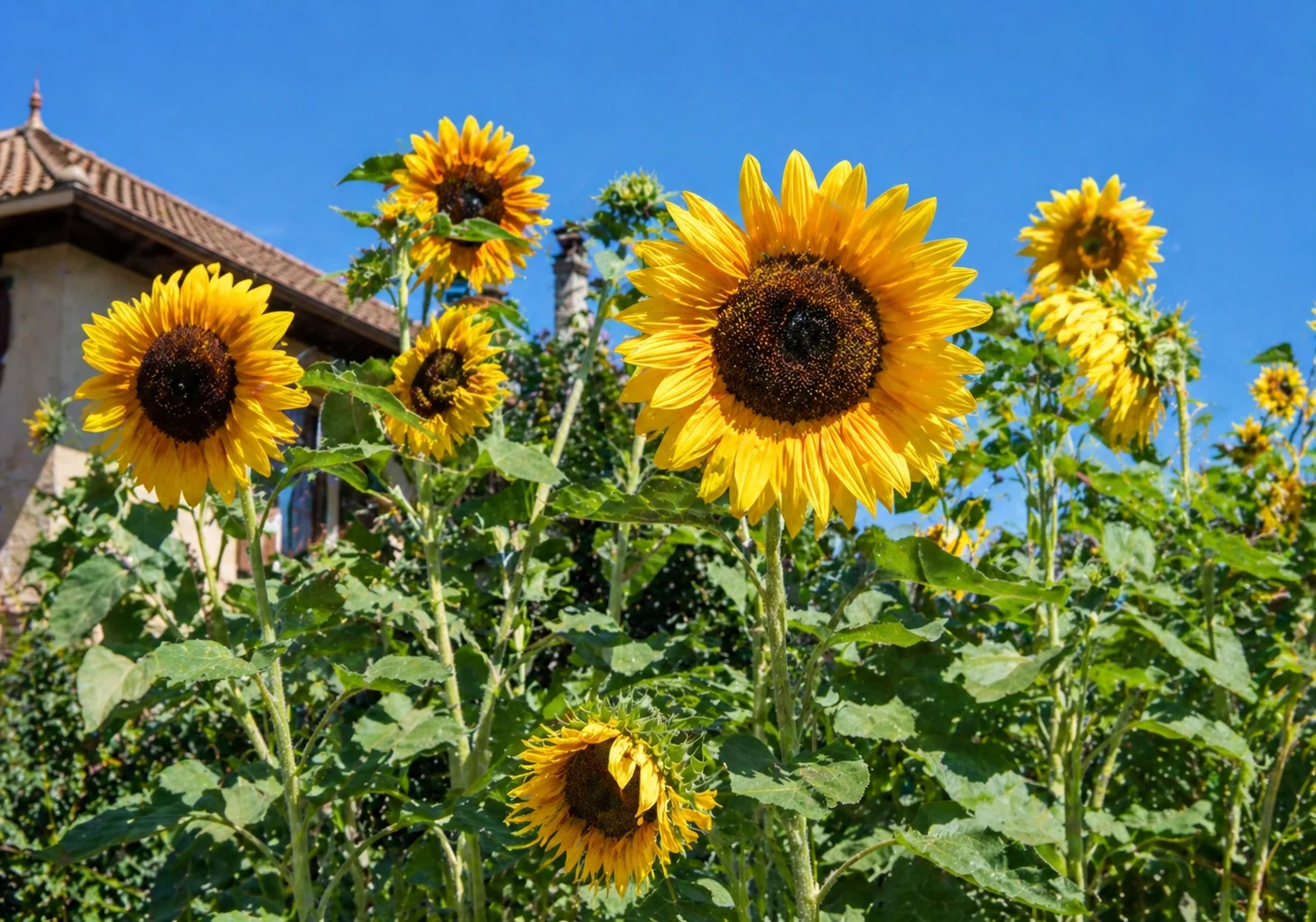
Sunflowers Planting Window for Saskatoon, SK
Direct sow sunflower seeds after last frost when soil reaches 10°C / 50°F. Most zones: April–June. Warm-season annual — does not tolerate frost. Days to bloom: 70–100 days from seed.
For Saskatoon, SK specifically, the recommended planting window is June 1 through 15 (after last frost — Calgary June 7, Edmonton June 2).. Saskatoon averages only 350 mm of annual rainfall — irrigation is essential for most vegetables. Prairie soil is rich and black with excellent fertility but compacts easily. Extended midsummer daylight (16+ hours) partially compensates for the short season; Saskatchewan peas and root vegetables are legendary for quality.
Sunflowers are tender annuals — frost kills them at any age. Direct sow only after last frost when soil reaches 10°C.
Best Sunflowers Varieties for Saskatoon, SK
For Saskatoon, SK (Canadian Zone 3b), choose varieties rated for your zone or one zone colder for reliable winter survival. The Canadian-bred or tested varieties below perform well in Saskatchewan conditions.
Tall (3 m) classic giant sunflower. 90 days to bloom — works in southern Ontario and BC; tight for Calgary/Edmonton.
Branching habit, 1.5 m tall, multiple golden-yellow blooms. 60 days. Excellent for short-season Prairies.
Cut-flower industry standard. 50-60 days. Successive sowings every 2 weeks for continuous Canadian blooms.
Branching pale yellow. 1.5-2 m tall. 90 days. Excellent for pollinators in Ontario and Quebec gardens.
60 cm container-friendly fully-double yellow blooms. 60 days. Works on Prairie balconies.
How to Plant Sunflowers in Saskatoon
Sow method: direct sow after last frost. The steps below adapt the general planting advice for Saskatoon, SK's climate and timing.
- →Direct sow sunflower seeds 2.5 cm (1 inch) deep, after the last frost when soil reaches 10°C (50°F).
- →Space giant varieties 60 cm (24 inches) apart; branching types 30 cm (12 inches); dwarf 20 cm (8 inches).
- →Choose a site with full sun (8+ hours) — sunflowers track the sun and lean toward shade.
- →Water consistently for the first 3 weeks; once established, water deeply weekly during dry periods.
- →Stake giant varieties at planting — adding stakes after the plant reaches 1 m (3 ft) damages roots.
- →Sidedress with balanced fertilizer when plants reach 60 cm (2 ft) tall — once is enough.
Frequently Asked Questions about Sunflowers in Saskatoon, SK
When can I plant sunflowers in Saskatoon?
Plant sunflowers in Saskatoon from june 1 through 15 (after last frost — calgary june 7, edmonton june 2). based on the city's Canadian Zone 3b. Last spring frost: May 20; first fall frost: September 20; frost-free growing season: 123 days.
What Canadian zone is Saskatoon?
Saskatoon is in Canadian Zone 3b (USDA equivalent 3a). The climate is semi-arid prairie continental. Saskatoon averages only 350 mm of annual rainfall — irrigation is essential for most vegetables. Prairie soil is rich and black with excellent fertility but compacts easily. Extended midsummer daylight (16+ hours) partially compensates for the short season; Saskatchewan peas and root vegetables are legendary for quality.
Are sunflowers winter-hardy in Saskatoon?
Sunflowers are tender annuals — frost kills them at any age. Direct sow only after last frost when soil reaches 10°C.