When to Plant Annuals in Saskatoon, SK – 2026
Published:
Saskatoon is in Canadian Zone 3b (semi-arid Prairie continental). Last spring frost averages May 20; first fall frost September 20; the growing season runs about 123 frost-free days. Plant annuals in Saskatoon from cool-season mid-may. warm-season after june 1 (calgary june 7, edmonton june 2)..
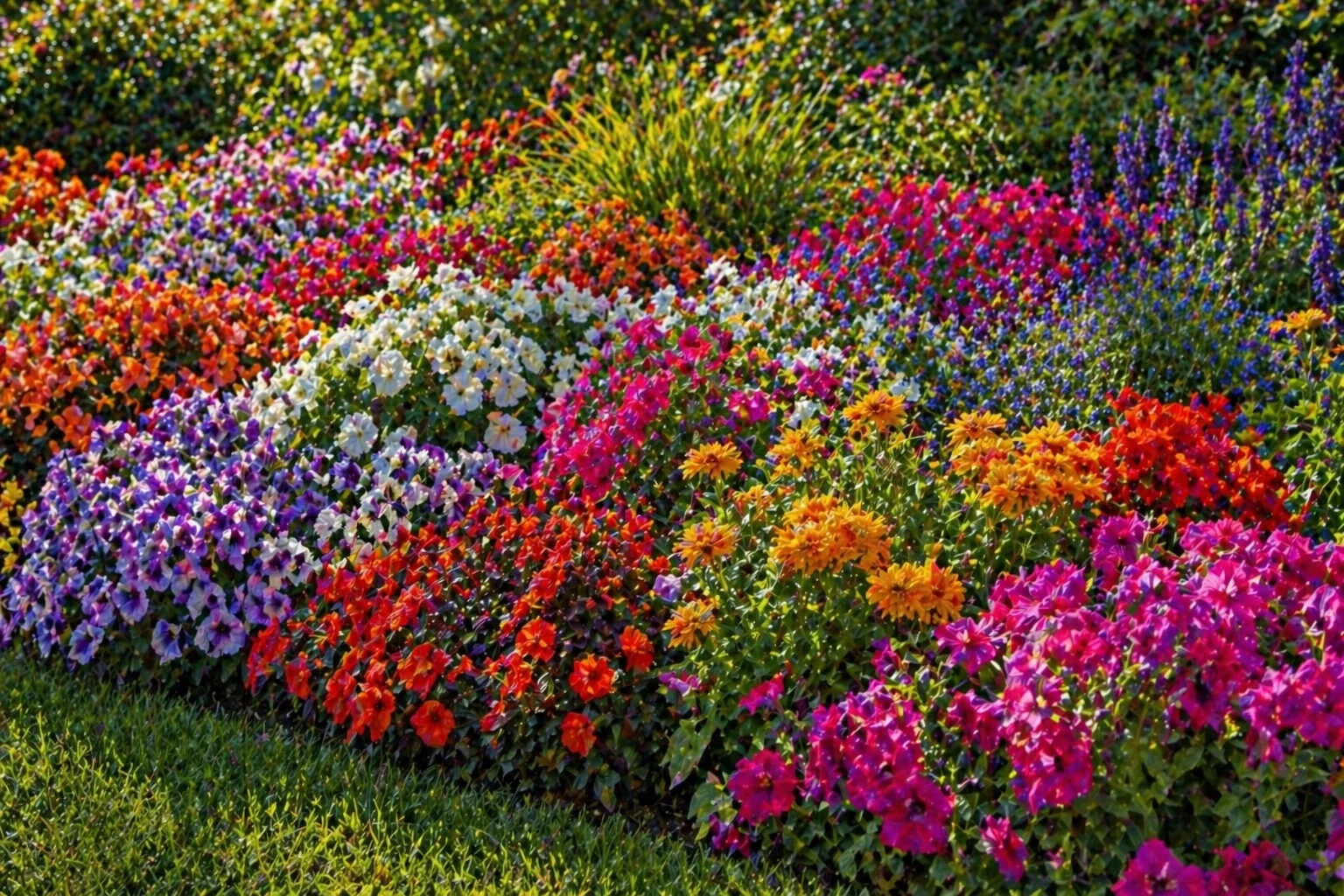
Annuals Planting Window for Saskatoon, SK
Plant warm-season annuals (petunias, zinnias, impatiens, begonias) after last frost when soil reaches 15°C / 60°F. Cool-season annuals (pansies, snapdragons, alyssum) can be planted 2–4 weeks before last frost. Start from seed indoors 6–8 weeks before transplanting.
For Saskatoon, SK specifically, the recommended planting window is Cool-season mid-May. Warm-season after June 1 (Calgary June 7, Edmonton June 2).. Saskatoon averages only 350 mm of annual rainfall — irrigation is essential for most vegetables. Prairie soil is rich and black with excellent fertility but compacts easily. Extended midsummer daylight (16+ hours) partially compensates for the short season; Saskatchewan peas and root vegetables are legendary for quality.
Annuals complete their lifecycle in one Canadian growing season. Cool-season annuals (pansies, snapdragons, alyssum) tolerate frost down to -7°C. Warm-season annuals (petunias, zinnias, marigolds, impatiens) are killed by any frost.
Best Annuals Varieties for Saskatoon, SK
For Saskatoon, SK (Canadian Zone 3b), choose varieties rated for your zone or one zone colder for reliable winter survival. The Canadian-bred or tested varieties below perform well in Saskatchewan conditions.
Self-cleaning, no deadheading needed. Continuous bloom from late spring through first fall frost. Ideal for Canadian summer hanging baskets.
Powdery mildew resistant. Direct sowing works on the Prairies once soil reaches 12°C. Heat-tolerant — excellent for Calgary and Saskatoon summers.
Most reliable Canadian annual. Tolerates the wide diurnal temperature range typical of Calgary and Edmonton summers.
Cool-season annual that tolerates light frost — can go out 2 weeks before Victoria Day. Often blooms into November in mild Canadian falls.
Cool-season annual that bloom strongly in cool Canadian springs and falls. Often winter over in Zone 7-8 BC. Annual elsewhere.
How to Plant Annuals in Saskatoon
Sow method: transplant or direct. The steps below adapt the general planting advice for Saskatoon, SK's climate and timing.
- →Warm-season annuals: plant after last frost when soil reaches 15°C (60°F).
- →Cool-season annuals: plant 2 to 4 weeks before last frost or in fall (Zone 7+) for spring or winter color.
- →For earliest blooms, start seeds indoors 6 to 8 weeks before last frost; transplant after frost.
- →Choose full sun for most annuals (zinnias, marigolds, petunias) and part shade for shade-loving types (impatiens, begonias).
- →Space according to mature size — typically 25 to 30 cm (10 to 12 inches) for most bedding annuals.
- →Water at the base; avoid overhead watering which promotes powdery mildew on zinnias.
Frequently Asked Questions about Annuals in Saskatoon, SK
When can I plant annuals in Saskatoon?
Plant annuals in Saskatoon from cool-season mid-may. warm-season after june 1 (calgary june 7, edmonton june 2). based on the city's Canadian Zone 3b. Last spring frost: May 20; first fall frost: September 20; frost-free growing season: 123 days.
What Canadian zone is Saskatoon?
Saskatoon is in Canadian Zone 3b (USDA equivalent 3a). The climate is semi-arid prairie continental. Saskatoon averages only 350 mm of annual rainfall — irrigation is essential for most vegetables. Prairie soil is rich and black with excellent fertility but compacts easily. Extended midsummer daylight (16+ hours) partially compensates for the short season; Saskatchewan peas and root vegetables are legendary for quality.
Are annuals winter-hardy in Saskatoon?
Annuals complete their lifecycle in one Canadian growing season. Cool-season annuals (pansies, snapdragons, alyssum) tolerate frost down to -7°C. Warm-season annuals (petunias, zinnias, marigolds, impatiens) are killed by any frost.