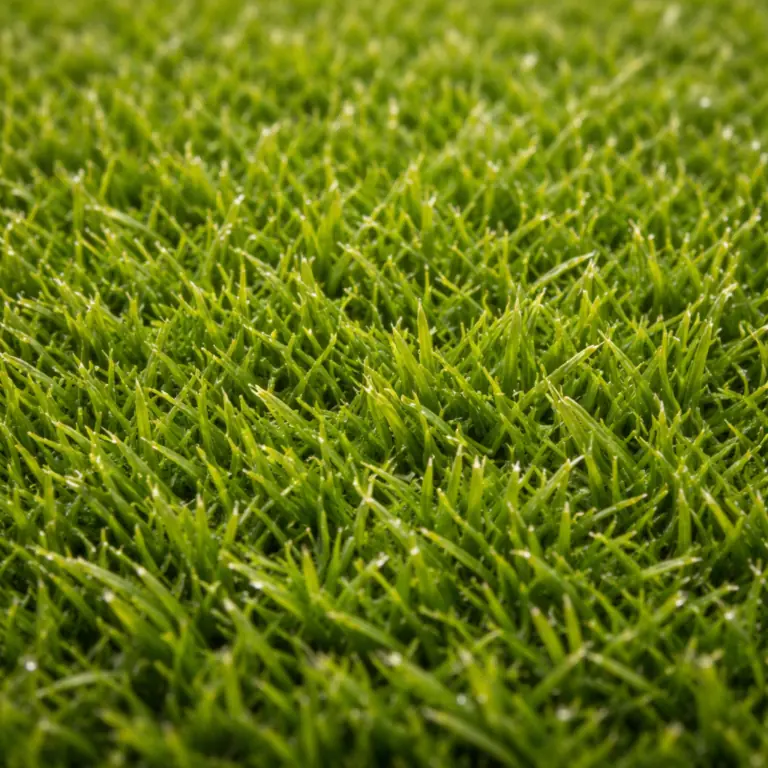
Zoysia Grass in Fort Worth, TX: Care Guide
Is Zoysia Grass Right for Fort Worth?
**Growing Zoysia Grass in USDA Zone 8a: A Complete Guide**
Zoysia grass is an excellent choice for USDA zone 8a, where average winter lows range from 10-15°F. This warm-season grass thrives in the zone's hot summers while demonstrating impressive cold tolerance compared to other warm-season varieties like Bermuda or St. Augustine. Zone 8a's long growing season, typically from April through October, allows zoysia to establish its characteristic dense, carpet-like turf that crowds out weeds naturally. The grass enters dormancy during winter months, turning golden-brown, but reliably greens up in spring once soil temperatures consistently reach 65-70°F.
Understanding zoysia's seasonal cycle is crucial for successful cultivation in zone 8a. The grass begins active growth in mid to late April, reaches peak growth during summer months, and starts slowing in early fall before going completely dormant by late November or December. Plant zoysia in late spring or early summer when soil temperatures are warm, as this slow-establishing grass needs adequate time to develop its root system before winter. Zoysia performs best in well-draining soils with a pH between 6.0-7.0, though it tolerates various soil types from sandy to clay. While drought-tolerant once established, new plantings require consistent moisture, and mature lawns benefit from deep, infrequent watering totaling about 1 inch per week during active growth periods.
Compared to cool-season grasses like fescue that struggle in zone 8a's hot summers, zoysia maintains its color and density through heat stress while using less water. Unlike Bermuda grass, zoysia spreads more slowly but creates a denser turf with less maintenance once established. The trade-off is patience during establishment, as zoysia can take 2-3 years to fully fill in compared to faster-growing alternatives.
Maintenance requirements are relatively minimal once established. Mow zoysia to 1-2 inches height using a sharp blade, as the dense growth can dull mowers quickly. Fertilize conservatively with a balanced fertilizer in late spring and mid-summer, as over-fertilization promotes thatch buildup. Dethatch if the thatch layer exceeds half an inch, typically every 2-3 years. Core aeration in late spring helps manage soil compaction. Zoysia's slow growth means less frequent mowing than other grasses, but its dense nature makes it highly wear-resistant, perfect for high-traffic areas. In zone 8a, zoysia offers an ideal balance of beauty, durability, and relatively low maintenance for homeowners seeking a premium warm-season lawn that can handle the region's temperature extremes.
How to Plant Zoysia Grass in Fort Worth
Best Method
Sod installation for fastest results, plugs for budget-conscious approach, seed for large areas
Best Time
Late spring (April-May) through early fall (September-October), with April-May and August-September being optimal
Establishment
Sod: 2-3 weeks to root, Plugs: 8-16 weeks to fill, Seed: 14-21 days to germinate, 90-120 days for establishment
Soil Preparation
Till soil 4-6 inches deep, remove weeds and debris, add 2-4 inches compost, ensure pH 6.0-7.0, level and firm surface
Watering During Establishment
Daily light watering first 2 weeks, then every other day weeks 3-4, transition to deep twice weekly by week 6
Seed rate: 1-2 pounds per 1,000 square feet, higher rate for faster establishment
Zoysia Grass Care Calendar for Fort Worth
Avoid foot traffic on frozen grass Plan any renovation projects Order seeds/sod for spring planting Service mowing equipment
Continue avoiding traffic on dormant grass Begin soil testing Plan irrigation system maintenance Remove debris as weather permits
First light fertilization when soil temp reaches 55°F Begin pre-emergent herbicide application Start dethatching if needed Resume regular watering schedule
Prime planting season begins Apply pre-emergent for summer weeds Begin regular mowing as growth starts Establish new plantings
Continue planting window First major fertilization Begin regular mowing schedule Monitor for pest emergence
Peak growing season maintenance Deep, infrequent watering Regular mowing at summer height Post-emergent weed control as needed
Maintain consistent watering Continue regular mowing Monitor for summer stress Apply fungicide if needed for disease
Peak establishment period for new plantings Continue summer maintenance routine Watch for drought stress Late summer fertilization
Excellent time for new installations Fall fertilization Overseed thin areas Reduce mowing frequency as growth slows
Continue fall planting window Final fertilization of season Begin raising mowing height Prepare irrigation for winter
Final mowing of season Winterization fertilizer application Clean up fallen leaves Begin reducing watering frequency
Avoid traffic on dormant/frozen grass Equipment maintenance and storage Plan next year's care program Minimal to no watering needed
Avoid foot traffic on frozen grass Plan any renovation projects Order seeds/sod for spring planting Service mowing equipment
Continue avoiding traffic on dormant grass Begin soil testing Plan irrigation system maintenance Remove debris as weather permits
First light fertilization when soil temp reaches 55°F Begin pre-emergent herbicide application Start dethatching if needed Resume regular watering schedule
Prime planting season begins Apply pre-emergent for summer weeds Begin regular mowing as growth starts Establish new plantings
Continue planting window First major fertilization Begin regular mowing schedule Monitor for pest emergence
Peak growing season maintenance Deep, infrequent watering Regular mowing at summer height Post-emergent weed control as needed
Maintain consistent watering Continue regular mowing Monitor for summer stress Apply fungicide if needed for disease
Peak establishment period for new plantings Continue summer maintenance routine Watch for drought stress Late summer fertilization
Excellent time for new installations Fall fertilization Overseed thin areas Reduce mowing frequency as growth slows
Continue fall planting window Final fertilization of season Begin raising mowing height Prepare irrigation for winter
Final mowing of season Winterization fertilizer application Clean up fallen leaves Begin reducing watering frequency
Avoid traffic on dormant/frozen grass Equipment maintenance and storage Plan next year's care program Minimal to no watering needed
Mowing Zoysia Grass in Fort Worth
Ideal Height
2-3 inches for optimal health and drought tolerance
Summer Height
2.5-3 inches to provide shade for roots and retain moisture
Frequency
Weekly during peak growing season (May-August), bi-weekly in spring/fall, monthly or less in winter
- • Never remove more than 1/3 of blade length in single mowing
- • Use sharp blades to prevent tearing and disease
- • Mow when grass is dry to prevent clumping and disease
Common Zoysia Grass Problems in Fort Worth
Brown Patch Fungus
Symptoms: Circular brown patches 6 inches to several feet wide, often with darker border
Cause: High humidity, excessive moisture, poor air circulation, over-fertilization with nitrogen
Solution: Improve drainage and air circulation, reduce watering frequency, apply fungicide, avoid nitrogen fertilizer during hot humid weather
Slow Establishment
Symptoms: Patchy coverage, slow spreading, weak growth
Cause: Cool soil temperatures, poor soil preparation, insufficient water or nutrients
Solution: Plant during optimal soil temperature periods (65°F+), ensure proper soil prep, maintain consistent moisture, apply starter fertilizer
Winter Kill
Symptoms: Dead brown areas that don't green up in spring
Cause: Extreme cold, ice damage, traffic on frozen grass, inadequate winterization
Solution: Overseed damaged areas in spring, improve drainage, avoid traffic on frozen grass, proper fall fertilization
Chinch Bug Damage
Symptoms: Irregular yellow to brown patches, often near driveways and sidewalks
Cause: Chinch bug feeding, more common in hot dry conditions and stressed grass
Solution: Apply appropriate insecticide, maintain proper watering, reduce thatch buildup, encourage beneficial insects
Thatch Buildup
Symptoms: Spongy feel underfoot, water runoff, shallow root system, increased disease susceptibility
Cause: Overfertilization, infrequent deep watering, compacted soil, naturally slow decomposition
Solution: Dethatch when layer exceeds 0.5 inches, reduce nitrogen fertilization, improve soil drainage, core aerate annually
Winter Care for Zoysia Grass in Fort Worth
Begin winterization in late October by applying potassium-rich fertilizer, gradually raise mowing height to 3 inches for final cuts, reduce watering frequency as temperatures drop, remove fallen leaves promptly, avoid foot traffic once grass enters dormancy, and ensure proper drainage to prevent ice damage. Zoysia naturally goes dormant and turns brown in zone 8a winters, returning to green when soil temperatures consistently reach 65°F in spring.
Frequently Asked Questions
Is Zoysia grass a good choice for Fort Worth?
Zoysia is well-suited for Fort Worth (zone 8a). It forms a dense, weed-resistant turf and tolerates both heat and moderate shade better than Bermuda. The tradeoff is slower establishment, expect 1–2 seasons to fill in from plugs or sod.
Does Zoysia grass stay green year-round in Fort Worth?
In Fort Worth, Zoysia goes semi-dormant or fully dormant in winter, turning straw-colored when temperatures drop below 50°F. In warmer zones (9+) it may retain some green through mild winters.
How do I establish Zoysia grass in Fort Worth?
The fastest way to establish Zoysia in Fort Worth is sod or plugs, installed in late spring when soil temperatures are above 65°F. Seed is available but germination is slow. Keep consistently moist for the first 4–6 weeks.