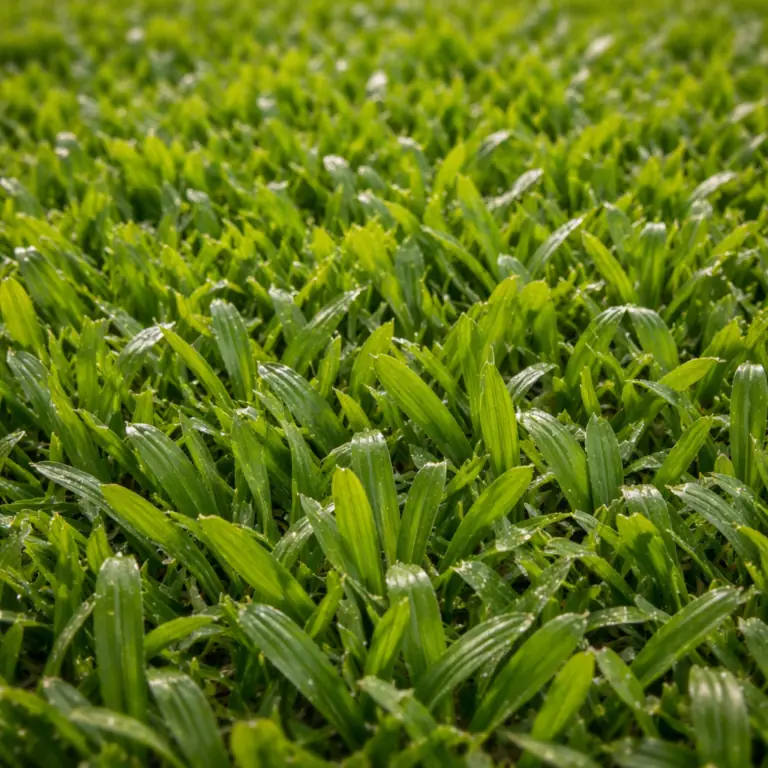
St. Augustine Grass in Atascocita, TX: Care Guide
Is St. Augustine Grass Right for Atascocita?
St. Augustine grass thrives exceptionally well in USDA zone 8b, making it an ideal choice for homeowners in this transitional climate zone. Zone 8b experiences mild winters with average minimum temperatures between 15-20°F, which allows St. Augustine grass to enter dormancy without suffering significant cold damage. This warm-season grass naturally goes dormant when soil temperatures drop below 50°F, typically occurring in late November through December in zone 8b. The grass begins its active growing season in late March to early April when soil temperatures consistently reach 65°F or higher. During peak summer months, St. Augustine grass displays its characteristic thick, carpet-like growth and vibrant green color, providing excellent heat and humidity tolerance that makes it superior to cool-season alternatives in this zone's hot summers.
St. Augustine grass performs best in well-draining soils with a pH between 6.0-7.5, though it demonstrates remarkable adaptability to various soil types including sandy, clay, and loamy conditions. The grass requires consistent moisture, needing approximately 1-1.5 inches of water weekly during the growing season, including rainfall. Deep, infrequent watering encourages strong root development and drought tolerance. Compared to other warm-season grasses like Bermuda or Zoysia, St. Augustine grass offers superior shade tolerance, thriving in areas receiving as little as 4-6 hours of direct sunlight daily. However, it requires more water than drought-tolerant alternatives and may struggle in extremely sandy soils without adequate irrigation and fertilization.
Maintenance requirements for St. Augustine grass in zone 8b include regular fertilization during the growing season, typically requiring 3-4 applications of nitrogen-rich fertilizer between April and September. Mowing should maintain grass height between 2.5-4 inches, with higher cutting heights recommended for shaded areas. The grass spreads through stolons, creating a dense mat that naturally crowds out weeds when healthy. Common challenges include chinch bugs, brown patch disease during humid conditions, and potential winter damage during unusually harsh cold snaps. Overseeding is rarely necessary due to the grass's spreading nature, but damaged areas can be repaired using sod or plugs during late spring through early summer.
Winter preparation in zone 8b involves gradually reducing watering frequency as temperatures cool and avoiding late-season fertilization that could encourage tender growth susceptible to frost damage. While St. Augustine grass will turn brown during dormancy, it typically recovers quickly in spring. With proper care, this grass variety provides a lush, durable lawn surface that handles moderate foot traffic well and offers year-round ground coverage, making it an excellent long-term investment for zone 8b landscapes seeking a low-maintenance, attractive lawn solution.
How to Plant St. Augustine Grass in Atascocita
Best Method
Sod installation (plugs and sprigs acceptable but slower establishment)
Best Time
Late spring to early summer (May-June) when soil temperature reaches 65-70°F
Establishment
Sod: 2-3 weeks root establishment, 6-8 weeks full establishment; Plugs: 3-4 months for coverage
Soil Preparation
Till soil 4-6 inches deep, incorporate 2-4 inches organic matter, ensure pH 6.0-7.0, grade for proper drainage
Watering During Establishment
Daily light watering for first 2 weeks, then every other day for weeks 3-4, transition to deep infrequent watering by week 6
Seed rate: St. Augustine does not produce viable seed - use sod, plugs, or sprigs only
St. Augustine Grass Care Calendar for Atascocita
Apply pre-emergent herbicide for winter weeds Check irrigation system for freeze damage Remove debris and fallen leaves Plan spring fertilization schedule
Apply pre-emergent herbicide if not done in January Begin soil testing preparations Check for winter damage and fungal issues Sharpen and service mowing equipment
Apply first fertilizer application when grass begins active growth Begin regular watering schedule Start weekly mowing as growth resumes Apply pre-emergent for summer weeds
Continue regular fertilization program Increase watering frequency Apply post-emergent herbicide for existing weeds Monitor for spring pest activity
Peak growing season - maintain regular mowing Apply second fertilizer application Deep watering 2-3 times weekly Apply fungicide if disease pressure exists
Continue summer maintenance routine Monitor for chinch bugs and other pests Maintain consistent watering schedule Apply iron supplement if yellowing occurs
Reduce mowing frequency during heat stress Deep, infrequent watering Monitor for drought stress Apply summer fertilizer if needed
Continue drought stress monitoring Maintain summer watering schedule Best time for overseeding thin areas Apply grub control if needed
Resume regular mowing as temperatures cool Apply fall fertilizer application Overseed bare spots Begin fall weed control
Continue fall fertilization Apply pre-emergent for winter weeds Reduce watering frequency Remove fallen leaves promptly
Final mowing of season - gradually raise height Winterize irrigation system Apply final fertilizer application Clean up debris
Minimize foot traffic on dormant grass Plan next year's maintenance Service equipment during dormant season Monitor for winter diseases
Apply pre-emergent herbicide for winter weeds Check irrigation system for freeze damage Remove debris and fallen leaves Plan spring fertilization schedule
Apply pre-emergent herbicide if not done in January Begin soil testing preparations Check for winter damage and fungal issues Sharpen and service mowing equipment
Apply first fertilizer application when grass begins active growth Begin regular watering schedule Start weekly mowing as growth resumes Apply pre-emergent for summer weeds
Continue regular fertilization program Increase watering frequency Apply post-emergent herbicide for existing weeds Monitor for spring pest activity
Peak growing season - maintain regular mowing Apply second fertilizer application Deep watering 2-3 times weekly Apply fungicide if disease pressure exists
Continue summer maintenance routine Monitor for chinch bugs and other pests Maintain consistent watering schedule Apply iron supplement if yellowing occurs
Reduce mowing frequency during heat stress Deep, infrequent watering Monitor for drought stress Apply summer fertilizer if needed
Continue drought stress monitoring Maintain summer watering schedule Best time for overseeding thin areas Apply grub control if needed
Resume regular mowing as temperatures cool Apply fall fertilizer application Overseed bare spots Begin fall weed control
Continue fall fertilization Apply pre-emergent for winter weeds Reduce watering frequency Remove fallen leaves promptly
Final mowing of season - gradually raise height Winterize irrigation system Apply final fertilizer application Clean up debris
Minimize foot traffic on dormant grass Plan next year's maintenance Service equipment during dormant season Monitor for winter diseases
Mowing St. Augustine Grass in Atascocita
Ideal Height
3.0-4.0 inches
Summer Height
4.0 inches during peak heat to protect roots
Frequency
Weekly during active growth, every 10-14 days during slower growth periods
- • Never remove more than 1/3 of grass blade length in single mowing
- • Use sharp blades to prevent tearing and disease
- • Mow when grass is dry to prevent disease spread
Common St. Augustine Grass Problems in Atascocita
Brown Patch Fungus
Symptoms: Circular brown patches 2-3 feet diameter with darker border rings
Cause: High humidity, overwatering, poor air circulation, nitrogen excess
Solution: Improve drainage and air circulation, reduce watering frequency, apply fungicide, avoid high nitrogen fertilizers during humid periods
Chinch Bug Infestation
Symptoms: Irregular yellow to brown patches that spread outward, grass pulls up easily
Cause: Hot dry conditions, drought stress, over-fertilization with nitrogen
Solution: Apply targeted insecticide, maintain proper moisture levels, use beneficial nematodes, avoid excessive nitrogen
Gray Leaf Spot
Symptoms: Gray to tan lesions on leaf blades with dark borders, thinning turf
Cause: High humidity, overwatering, poor air circulation, excessive nitrogen
Solution: Reduce watering frequency, improve air circulation, apply preventive fungicide, balance fertilization
Take-All Root Rot
Symptoms: Yellowing grass, thinning areas, dark roots, grass easily pulls up
Cause: Poor drainage, compacted soil, pH imbalance, overwatering
Solution: Improve soil drainage, reduce watering, apply fungicide, maintain proper soil pH, aerate compacted areas
Dollar Spot Disease
Symptoms: Small circular tan spots size of silver dollar, web-like fungal growth in morning
Cause: Low nitrogen, drought stress, heavy dew, poor air circulation
Solution: Apply nitrogen fertilizer, ensure adequate watering, improve air circulation, apply fungicide if severe
Winter Care for St. Augustine Grass in Atascocita
In zone 8b, St. Augustine grass enters dormancy when temperatures consistently drop below 50°F. Apply final fertilizer in late October with reduced nitrogen content, gradually raise mowing height to 4+ inches for last cuts, reduce watering frequency but don't allow complete drought, remove all debris and leaves to prevent disease, winterize irrigation systems when freezing temperatures approach, and avoid foot traffic on frozen or dormant grass to prevent damage.
Frequently Asked Questions
Is St. Augustine grass right for Atascocita?
St. Augustine is one of the top choices for Atascocita (zone 8b) due to its excellent heat tolerance and shade performance. It is particularly dominant in Florida and Gulf Coast regions where humidity is high.
How do I fix brown patches on St. Augustine in Atascocita?
Brown patch on St. Augustine in Atascocita is usually caused by a fungal disease triggered by overwatering and high humidity. Reduce watering frequency, improve drainage, and apply a fungicide labeled for brown patch if the problem persists.
Can I grow St. Augustine from seed in Atascocita?
St. Augustine is not reliably available as seed, it must be established from sod or plugs in Atascocita. Install sod in late spring for best results, and keep it well-watered for the first 3–4 weeks until roots establish.