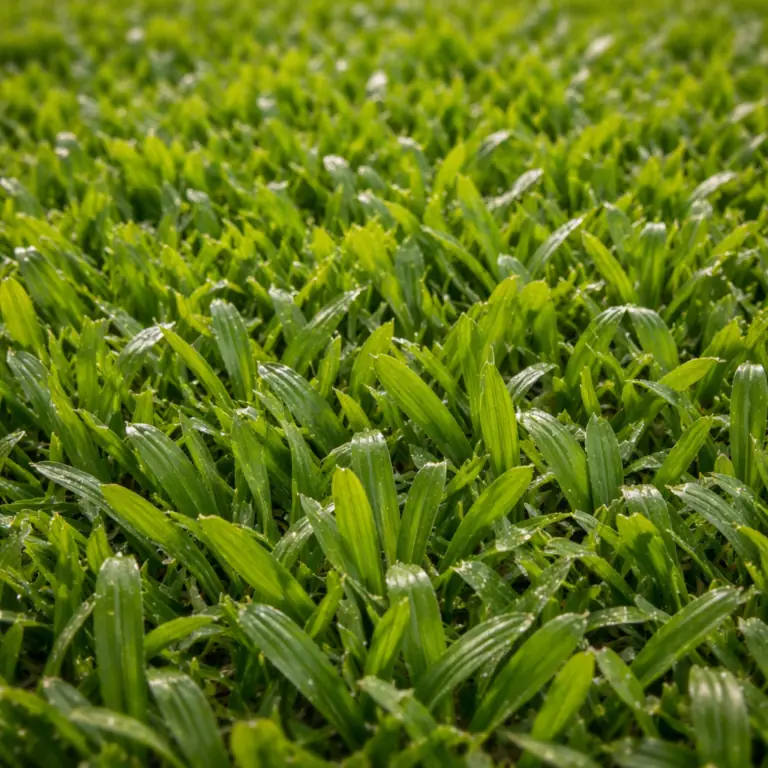
St. Augustine Grass in Tampa, FL: Care Guide
Is St. Augustine Grass Right for Tampa?
St. Augustine grass is an excellent choice for USDA zone 9b, where winter lows typically range from 25-30°F. This warm-season grass thrives in the zone's hot summers and handles the occasional light frost better than many alternatives. Its broad, flat blades create a dense, carpet-like lawn that performs exceptionally well in coastal areas with salt exposure and partial shade conditions. However, St. Augustine can be challenging due to its susceptibility to chinch bugs, brown patch fungus, and its relatively poor cold tolerance compared to bermuda or zoysia grasses. The variety selection matters significantly – 'Palmetto' and 'Captiva' offer better cold tolerance for zone 9b's borderline conditions.
The seasonal performance cycle in zone 9b begins with green-up when soil temperatures consistently reach 65-70°F, typically in mid to late March. Peak growth occurs from May through September when temperatures range from 80-95°F, requiring weekly mowing to maintain the recommended 2.5-4 inch height. As temperatures drop below 50°F in late November, the grass enters dormancy and turns brown, remaining so until the following spring green-up. During active growth, St. Augustine requires 1-1.5 inches of water per week, including rainfall, and performs best in well-draining soils with a pH between 6.0-7.5. Monthly fertilization with 0.5-1 pound of nitrogen per 1,000 square feet during the growing season maintains optimal color and density.
Compared to alternatives like bermuda grass, St. Augustine offers superior shade tolerance (handling 4-6 hours of direct sunlight versus bermuda's 8+ hour requirement) but has slower recovery from damage and higher water needs. Zoysia grass provides better drought tolerance and wear resistance but establishes much slower and has a longer dormancy period. Centipede grass requires less maintenance but lacks St. Augustine's lush appearance and salt tolerance.
Long-term maintenance expectations include annual overseeding of thin areas, pre-emergent herbicide applications in early spring, and vigilant pest monitoring. Brown patch fungus prevention requires avoiding evening watering and ensuring proper air circulation. Thatch buildup typically necessitates dethatching every 2-3 years, while core aeration every other year improves soil compaction. In zone 9b's transitional climate, expect occasional winter damage during severe cold snaps below 20°F, requiring spring renovation. Budget approximately $150-250 per 1,000 square feet annually for fertilizer, pest control, and professional treatments. With proper care, St. Augustine grass provides 15-20 years of attractive, functional turf before major renovation becomes necessary.
How to Plant St. Augustine Grass in Tampa
Best Method
sod or plugs
Best Time
April through August
Establishment
2-3 weeks for sod, 6-10 weeks for plugs
Soil Preparation
Till soil to 6 inches deep and ensure pH between 5.0-8.5 with good drainage. Add 2-4 inches of compost and level the planting area.
Watering During Establishment
Water daily for first 2 weeks keeping soil consistently moist but not waterlogged. Gradually reduce to every other day in weeks 3-4, then to normal schedule.
Seed rate: Not applicable - St. Augustine does not produce viable seed
St. Augustine Grass Care Calendar for Tampa
Monitor for frost damage and avoid foot traffic on frozen grass. Apply pre-emergent herbicide if soil temperature reaches 65°F consistently.
Begin preparing for spring growth by cleaning up debris. Apply pre-emergent herbicide for summer weeds when soil temperature hits 65-70°F.
Start regular watering as grass begins active growth. Apply balanced fertilizer (16-4-8) at 1 lb nitrogen per 1000 sq ft when grass greens up.
Begin weekly mowing and establish regular irrigation schedule. This is prime time for planting new sod or plugs.
Increase watering frequency as temperatures rise above 80°F. Apply iron supplement if grass shows yellowing.
Apply summer fertilizer with slow-release nitrogen at 0.5-1 lb per 1000 sq ft. Monitor for chinch bugs and fungal diseases in humid conditions.
Maintain consistent deep watering 2-3 times per week during peak heat. Raise mowing height to 4 inches to reduce stress.
Continue summer maintenance with adequate irrigation. Watch for brown patch disease during humid nights below 80°F.
Apply fall fertilizer with potassium for winter hardiness. Begin reducing watering frequency as temperatures moderate.
Overseed thin areas and continue regular mowing. Apply pre-emergent for cool-season weeds like henbit and chickweed.
Reduce mowing frequency as growth slows. Final irrigation adjustments before dormancy period.
Minimal maintenance required as grass enters dormancy. Avoid traffic on frozen grass and prepare equipment for spring.
Monitor for frost damage and avoid foot traffic on frozen grass. Apply pre-emergent herbicide if soil temperature reaches 65°F consistently.
Begin preparing for spring growth by cleaning up debris. Apply pre-emergent herbicide for summer weeds when soil temperature hits 65-70°F.
Start regular watering as grass begins active growth. Apply balanced fertilizer (16-4-8) at 1 lb nitrogen per 1000 sq ft when grass greens up.
Begin weekly mowing and establish regular irrigation schedule. This is prime time for planting new sod or plugs.
Increase watering frequency as temperatures rise above 80°F. Apply iron supplement if grass shows yellowing.
Apply summer fertilizer with slow-release nitrogen at 0.5-1 lb per 1000 sq ft. Monitor for chinch bugs and fungal diseases in humid conditions.
Maintain consistent deep watering 2-3 times per week during peak heat. Raise mowing height to 4 inches to reduce stress.
Continue summer maintenance with adequate irrigation. Watch for brown patch disease during humid nights below 80°F.
Apply fall fertilizer with potassium for winter hardiness. Begin reducing watering frequency as temperatures moderate.
Overseed thin areas and continue regular mowing. Apply pre-emergent for cool-season weeds like henbit and chickweed.
Reduce mowing frequency as growth slows. Final irrigation adjustments before dormancy period.
Minimal maintenance required as grass enters dormancy. Avoid traffic on frozen grass and prepare equipment for spring.
Mowing St. Augustine Grass in Tampa
Ideal Height
3-4 inches
Summer Height
4 inches
Frequency
weekly during growing season
- • Never remove more than 1/3 of blade length in single mowing
- • Use sharp blades to prevent tearing and brown tips
- • Mow when grass is dry to prevent clumping and disease spread
Common St. Augustine Grass Problems in Tampa
Brown Patch
Symptoms: Circular brown patches 2-6 feet diameter with orange ring border
Cause: Fungal disease thriving in humid conditions with temperatures 70-85°F
Solution: Improve air circulation, water early morning only, apply fungicide containing azoxystrobin
Chinch Bugs
Symptoms: Irregular yellow patches that turn brown, especially in sunny areas
Cause: Small insects sucking plant juices during hot summer months
Solution: Apply bifenthrin or carbaryl insecticide, maintain proper irrigation
Gray Leaf Spot
Symptoms: Small gray spots with dark borders on leaf blades
Cause: Fungal disease in high humidity and temperatures above 80°F
Solution: Reduce nitrogen fertilization, improve drainage, apply propiconazole fungicide
Grubs
Symptoms: Brown patches that lift easily revealing white C-shaped larvae
Cause: Beetle larvae feeding on grass roots in late summer
Solution: Apply grub control with clothianidin in May-June for prevention
Iron Deficiency
Symptoms: Yellowing grass with green veins, especially in alkaline soils
Cause: Poor iron uptake due to high soil pH or overwatering
Solution: Apply iron sulfate at 2-5 lbs per 1000 sq ft, improve drainage
Winter Care for St. Augustine Grass in Tampa
St. Augustine grass naturally goes dormant when temperatures drop below 50°F for extended periods. Apply final fertilization in September with high potassium content and gradually reduce watering frequency as growth slows in November.
Frequently Asked Questions
Is St. Augustine grass right for Tampa?
St. Augustine is one of the top choices for Tampa (zone 9b) due to its excellent heat tolerance and shade performance. It is particularly dominant in Florida and Gulf Coast regions where humidity is high.
How do I fix brown patches on St. Augustine in Tampa?
Brown patch on St. Augustine in Tampa is usually caused by a fungal disease triggered by overwatering and high humidity. Reduce watering frequency, improve drainage, and apply a fungicide labeled for brown patch if the problem persists.
Can I grow St. Augustine from seed in Tampa?
St. Augustine is not reliably available as seed, it must be established from sod or plugs in Tampa. Install sod in late spring for best results, and keep it well-watered for the first 3–4 weeks until roots establish.