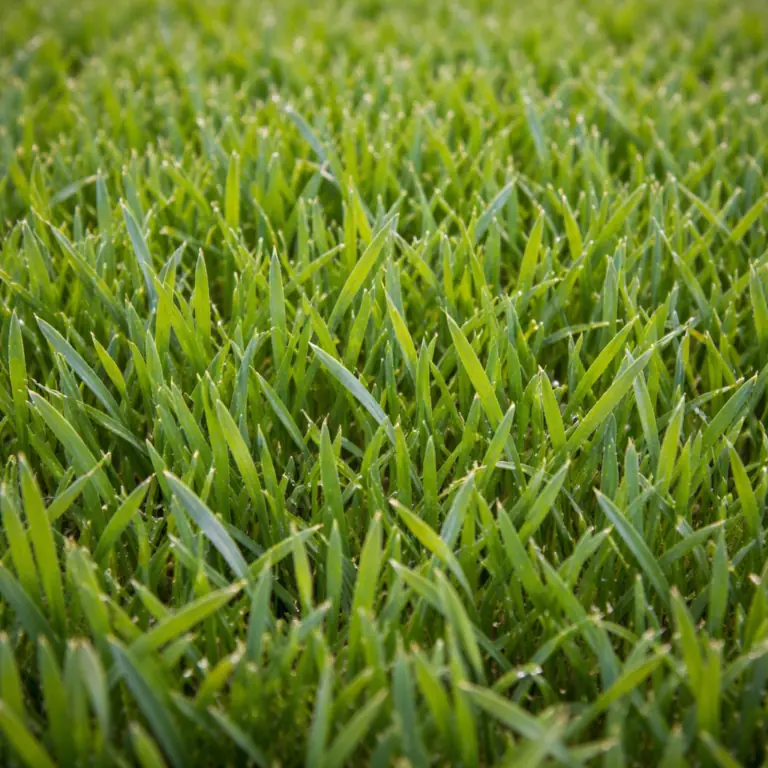
Kentucky Bluegrass in Salt Lake City, UT: Care Guide
Is Kentucky Bluegrass Right for Salt Lake City?
Kentucky Bluegrass is an excellent choice for USDA zone 6a, where winter lows range from -10°F to -5°F and summer highs typically reach 80-85°F. This premium cool-season grass thrives in the zone's climate, offering exceptional cold tolerance and the ability to withstand harsh winters that would damage warm-season alternatives. However, it presents challenges during hot summers when temperatures exceed 85°F for extended periods, requiring increased irrigation and potentially entering summer dormancy. The grass performs best when daytime temperatures remain between 60-75°F, making spring and fall its peak growing seasons.
Kentucky Bluegrass follows a predictable seasonal cycle in zone 6a. Green-up begins when soil temperatures reach 50°F, typically in early to mid-April. The grass achieves peak performance from May through June and again from September through October when temperatures are ideal. During July and August heat stress, growth slows significantly and the grass may enter partial dormancy, turning brown if irrigation is insufficient. Complete winter dormancy occurs after the first hard frost, usually in late October or November, with the grass remaining dormant until spring soil warming.
This grass requires well-drained soil with a pH between 6.0-7.5 and consistent moisture levels. Irrigation needs are substantial, requiring 1-1.5 inches of water weekly during active growth periods and up to 2 inches during summer heat stress. Kentucky Bluegrass demands more water than alternatives like tall fescue or fine fescue, making it less suitable for drought-prone areas or water-restricted environments. The grass establishes slowly from seed, taking 14-21 days to germinate and requiring a full growing season to develop its characteristic dense, self-repairing rhizomatous growth habit.
Compared to alternatives, Kentucky Bluegrass offers superior winter hardiness and aesthetic quality but requires higher maintenance than tall fescue or perennial ryegrass blends. Long-term maintenance expectations include annual overseeding in thin areas, regular fertilization with 3-4 pounds of nitrogen per 1,000 square feet annually, and preventive fungicide applications for common diseases like summer patch and dollar spot. The grass benefits from dethatching every 2-3 years when thatch exceeds 0.5 inches. While initial establishment costs and ongoing maintenance are higher than low-maintenance alternatives, Kentucky Bluegrass provides unmatched durability, self-repair capability, and premium appearance that justifies the investment for homeowners seeking a high-quality lawn in zone 6a's favorable climate conditions.
How to Plant Kentucky Bluegrass in Salt Lake City
Best Method
Overseeding existing lawn or full renovation with soil preparation
Best Time
Late August through mid-September when soil temperature is 60-75°F
Establishment
14-21 days for germination, 8-10 weeks for full establishment
Soil Preparation
Test soil pH and adjust to 6.0-7.0 if needed with lime application 2-4 weeks before seeding. Remove thatch buildup and lightly cultivate top 1/4 inch of soil for good seed-to-soil contact.
Watering During Establishment
Keep soil consistently moist with light, frequent watering 2-3 times daily for first 3 weeks. Gradually reduce frequency and increase duration to encourage deep root growth once seedlings reach 2 inches tall.
Seed rate: 2-3 pounds per 1,000 square feet for overseeding, 4-5 pounds for new lawns
Kentucky Bluegrass Care Calendar for Salt Lake City
Apply pre-emergent herbicide if soil temperature is above 32°F. Plan for spring overseeding and order supplies.
Continue monitoring for snow mold under melting snow. Avoid walking on frozen grass to prevent damage.
Begin spring cleanup and light raking to remove debris. Apply pre-emergent crabgrass control when soil reaches 50-55°F.
Overseed thin areas and apply starter fertilizer. Begin regular watering schedule as temperatures warm above 60°F consistently.
Start regular mowing at 2.5-3 inches height. Apply balanced fertilizer and begin weekly deep watering sessions.
Raise mowing height to 3-3.5 inches for summer stress tolerance. Deep water 2-3 times per week during dry spells.
Maintain summer mowing height and reduce foot traffic during heat stress. Water early morning to minimize disease risk.
Prime time for overseeding and renovation projects. Apply starter fertilizer with new seed and maintain consistent moisture.
Continue fall overseeding if needed and apply fall fertilizer. Begin reducing watering frequency as temperatures cool.
Lower mowing height gradually to 2.5 inches and continue mowing until growth stops. Apply winterizer fertilizer mid-month.
Final mowing of season and thorough leaf removal. Drain and store hoses and irrigation equipment before first freeze.
Avoid traffic on dormant grass and plan next year's lawn care program. Order seeds and supplies for spring application.
Apply pre-emergent herbicide if soil temperature is above 32°F. Plan for spring overseeding and order supplies.
Continue monitoring for snow mold under melting snow. Avoid walking on frozen grass to prevent damage.
Begin spring cleanup and light raking to remove debris. Apply pre-emergent crabgrass control when soil reaches 50-55°F.
Overseed thin areas and apply starter fertilizer. Begin regular watering schedule as temperatures warm above 60°F consistently.
Start regular mowing at 2.5-3 inches height. Apply balanced fertilizer and begin weekly deep watering sessions.
Raise mowing height to 3-3.5 inches for summer stress tolerance. Deep water 2-3 times per week during dry spells.
Maintain summer mowing height and reduce foot traffic during heat stress. Water early morning to minimize disease risk.
Prime time for overseeding and renovation projects. Apply starter fertilizer with new seed and maintain consistent moisture.
Continue fall overseeding if needed and apply fall fertilizer. Begin reducing watering frequency as temperatures cool.
Lower mowing height gradually to 2.5 inches and continue mowing until growth stops. Apply winterizer fertilizer mid-month.
Final mowing of season and thorough leaf removal. Drain and store hoses and irrigation equipment before first freeze.
Avoid traffic on dormant grass and plan next year's lawn care program. Order seeds and supplies for spring application.
Mowing Kentucky Bluegrass in Salt Lake City
Ideal Height
2.5-3 inches
Summer Height
3-3.5 inches
Frequency
Weekly during active growth, every 10-14 days during slower periods
- • Never remove more than 1/3 of grass blade length in single mowing
- • Maintain sharp mower blades and alternate mowing patterns to prevent soil compaction
- • Leave clippings on lawn unless excessively long to return nutrients to soil
Common Kentucky Bluegrass Problems in Salt Lake City
Brown Patch
Symptoms: Circular brown patches 6 inches to 6 feet in diameter with dark ring borders
Cause: Fungal disease from high humidity and temperatures above 80°F
Solution: Improve air circulation, water early morning only, apply fungicide if severe
Grub Damage
Symptoms: Brown patches that pull up easily like carpet, increased bird or animal digging
Cause: White grub larvae feeding on grass roots from May beetles or Japanese beetles
Solution: Apply grub control product in late June to early July, maintain thick healthy turf
Crabgrass Invasion
Symptoms: Wide-bladed annual grass spreading in thin lawn areas
Cause: Annual weed germinating in spring when soil reaches 55-60°F
Solution: Apply pre-emergent herbicide in early March, overseed thin areas to increase competition
Drought Stress
Symptoms: Blue-gray color, footprints remain visible, leaf blades fold or curl
Cause: Insufficient water during hot, dry periods
Solution: Apply 1-1.5 inches water per week, water deeply and less frequently, raise mowing height
Thatch Buildup
Symptoms: Spongy feel underfoot, water runoff, brown patches despite adequate care
Cause: Excessive organic matter accumulation above soil surface
Solution: Core aerate in fall, dethatch if layer exceeds 0.5 inches, reduce nitrogen fertilization
Winter Care for Kentucky Bluegrass in Salt Lake City
Apply winterizer fertilizer with high potassium content in mid to late October to improve cold tolerance and root development. Gradually lower mowing height to 2-2.5 inches for final cuts to prevent snow mold, and ensure lawn is free of leaves and debris before first snowfall.
Frequently Asked Questions
Is Kentucky Bluegrass a good choice for Salt Lake City?
Kentucky Bluegrass is well-suited for Salt Lake City (zone 6a). It produces a beautiful, dense turf with excellent cold hardiness. The main requirements are full sun (at least 6 hours) and consistent moisture, it does not tolerate drought as well as fescues.
When should I overseed Kentucky Bluegrass in Salt Lake City?
Overseed Kentucky Bluegrass in Salt Lake City in early fall (mid-August to mid-September). Soil temperatures are still warm for germination while cooler air reduces heat stress. Spring overseeding is a secondary option but fall gives significantly better results.
Why does my Kentucky Bluegrass go brown in summer in Salt Lake City?
Summer dormancy is normal for Kentucky Bluegrass in Salt Lake City during hot, dry stretches. The grass is not dead, it will recover when temperatures cool. You can maintain green color by watering deeply 2–3 times per week through summer.