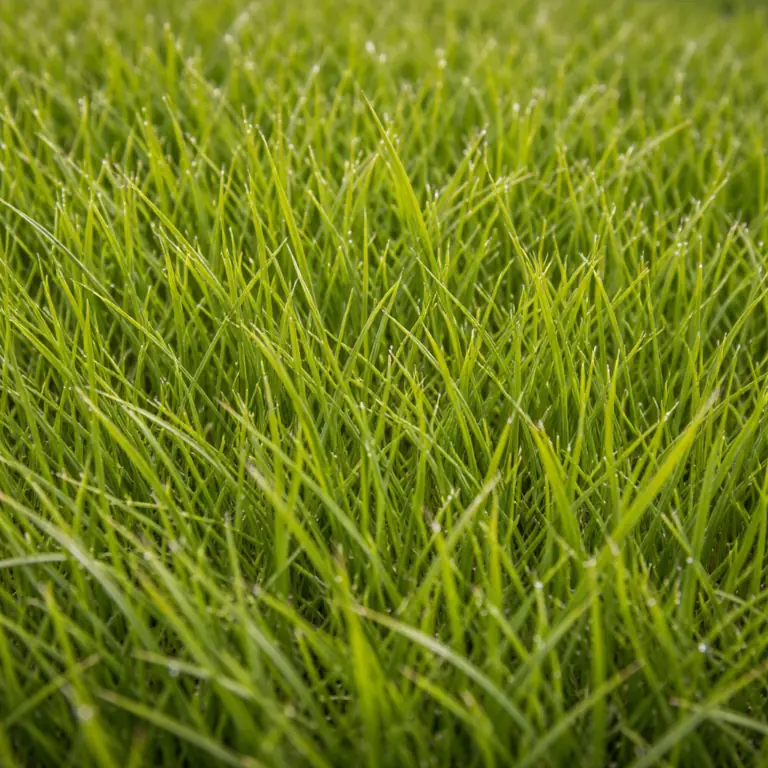
Fine Fescue in Indianapolis, IN: Care Guide
Is Fine Fescue Right for Indianapolis?
Fine fescue is an excellent cool-season grass choice for USDA zone 6a, which experiences winter lows of -10°F to -5°F and moderate summers. This hardy grass thrives in the zone's climate because it's naturally adapted to cooler temperatures and can handle both the cold winters and occasional summer stress. Fine fescue varieties, including red fescue, chewing fescue, and hard fescue, are particularly well-suited to zone 6a's transitional climate where other grasses might struggle. The grass remains semi-dormant during harsh winter months but quickly rebounds in spring, making it ideal for regions with significant temperature fluctuations.
The seasonal cycle of fine fescue in zone 6a follows classic cool-season patterns. Active growth occurs during spring and fall when temperatures range from 60-75°F, with peak establishment happening in early fall (late August to early September) or early spring (March to April). During summer heat, the grass naturally slows growth and may go partially dormant, requiring less frequent watering and mowing. Winter dormancy begins when temperatures consistently drop below freezing, and the grass develops a protective brown color that returns to lush green growth in spring. This natural cycle makes fine fescue low-maintenance compared to warm-season alternatives.
Fine fescue's soil and water requirements make it particularly attractive for zone 6a homeowners. It tolerates poor, sandy, or acidic soils better than most grasses, though it performs best in well-draining soil with a pH between 5.5-7.0. Once established, fine fescue is remarkably drought-tolerant, requiring only 1 inch of water weekly during active growth periods and minimal irrigation during summer dormancy. This makes it superior to Kentucky bluegrass, which demands consistent moisture, and more cold-hardy than tall fescue, which can struggle in harsh zone 6a winters. Compared to perennial ryegrass, fine fescue offers better shade tolerance and requires less fertilization.
Maintenance requirements for fine fescue in zone 6a are refreshingly minimal. Mow at 2.5-4 inches height during growing seasons, allowing clippings to naturally decompose and provide nutrients. Fertilize lightly in early spring and fall with a slow-release fertilizer, avoiding heavy nitrogen applications that can promote disease. Overseeding may be needed every 3-4 years in high-traffic areas, but mature fine fescue lawns are generally self-sustaining. The grass naturally resists most diseases and pests common to zone 6a, though ensuring proper air circulation and avoiding overwatering helps prevent occasional fungal issues. With its low input requirements, excellent cold tolerance, and attractive fine-textured appearance, fine fescue offers zone 6a homeowners a sustainable, low-maintenance lawn solution that works harmoniously with the region's climate patterns.
How to Plant Fine Fescue in Indianapolis
Best Method
Overseeding into existing turf or drilling into prepared seedbed
Best Time
Early to mid-September for fall establishment, April-May for spring seeding
Establishment
14-21 days germination, 8-10 weeks for establishment, full maturity in second season
Soil Preparation
Remove debris, light cultivation, ensure pH 5.5-7.0, add compost if soil is clay-heavy
Watering During Establishment
Light daily watering first 3 weeks, then deep watering 2-3 times weekly for 8 weeks
Seed rate: 4-5 lbs per 1000 sq ft for new planting, 2-3 lbs per 1000 sq ft for overseeding
Fine Fescue Care Calendar for Indianapolis
Plan seeding schedule for spring Order seed if needed Check and maintain equipment
Check soil compaction on frozen ground Plan any renovation areas Clean and sharpen mower blades
Begin spring cleanup when snow melts Apply pre-emergent herbicide if needed Soil test and lime application if required
Overseed thin areas when soil temp reaches 60°F Light fertilization with low-nitrogen fertilizer Begin weekly mowing when growth starts
Regular watering of new seedlings Monitor for fungal diseases First fertilization of established areas
Reduce watering frequency but increase depth Raise mowing height for summer stress Spot treat weeds as needed
Deep, infrequent watering during heat Monitor for summer stress and diseases Reduce foot traffic on stressed areas
Prepare for fall overseeding Continue deep watering schedule Plan fall renovation projects
Prime seeding time - overseed thin areas Fall fertilization with balanced fertilizer Resume regular watering schedule
Continue fall seeding early in month Final mowing at reduced height Apply winter fertilizer late in month
Final mowing of season Remove fallen leaves promptly Winterization preparations
Avoid foot traffic on frozen grass Plan next year's maintenance schedule Equipment winter storage
Plan seeding schedule for spring Order seed if needed Check and maintain equipment
Check soil compaction on frozen ground Plan any renovation areas Clean and sharpen mower blades
Begin spring cleanup when snow melts Apply pre-emergent herbicide if needed Soil test and lime application if required
Overseed thin areas when soil temp reaches 60°F Light fertilization with low-nitrogen fertilizer Begin weekly mowing when growth starts
Regular watering of new seedlings Monitor for fungal diseases First fertilization of established areas
Reduce watering frequency but increase depth Raise mowing height for summer stress Spot treat weeds as needed
Deep, infrequent watering during heat Monitor for summer stress and diseases Reduce foot traffic on stressed areas
Prepare for fall overseeding Continue deep watering schedule Plan fall renovation projects
Prime seeding time - overseed thin areas Fall fertilization with balanced fertilizer Resume regular watering schedule
Continue fall seeding early in month Final mowing at reduced height Apply winter fertilizer late in month
Final mowing of season Remove fallen leaves promptly Winterization preparations
Avoid foot traffic on frozen grass Plan next year's maintenance schedule Equipment winter storage
Mowing Fine Fescue in Indianapolis
Ideal Height
2.5-3.5 inches during spring and fall
Summer Height
3-4 inches during July-August heat stress period
Frequency
Weekly during active growth, bi-weekly during slower growth periods
- • Never remove more than 1/3 of blade length in single mowing
- • Keep blades sharp to prevent fraying and disease
- • Mow when grass is dry to prevent clumping and disease
Common Fine Fescue Problems in Indianapolis
Red Thread Disease
Symptoms: Pinkish-red threads on grass blades, thin patches
Cause: Cool, wet weather combined with low nitrogen
Solution: Improve air circulation, light nitrogen application, fungicide if severe
Dollar Spot
Symptoms: Small circular brown spots 2-6 inches diameter
Cause: Low nitrogen, heavy dew, moderate temperatures
Solution: Increase nitrogen fertility, improve drainage, reduce thatch buildup
Summer Dormancy
Symptoms: Brown, dormant appearance during hot weather
Cause: Natural response to heat and drought stress
Solution: Reduce traffic, provide occasional deep watering, grass will recover in fall
Moss Invasion
Symptoms: Green moss growing in thin turf areas
Cause: Poor drainage, soil compaction, low pH, shade
Solution: Improve drainage, core aerate, adjust soil pH, overseed thin areas
Grub Damage
Symptoms: Brown patches that lift easily, increased bird activity
Cause: Beetle larvae feeding on roots in late summer
Solution: Apply beneficial nematodes or grub control in August-September
Winter Care for Fine Fescue in Indianapolis
Apply winter fertilizer in late October with low nitrogen and higher potassium. Final mowing should be at 2-2.5 inches to prevent snow mold but avoid scalping. Remove all fallen leaves promptly to prevent suffocation. Avoid foot traffic on frozen or frost-covered grass. Fine fescue generally requires minimal winter protection in zone 6a due to excellent cold tolerance.
Frequently Asked Questions
Is Fine Fescue right for Indianapolis?
Fine Fescue is ideal for shady or low-maintenance areas in Indianapolis (zone 6a). It is the best grass for dense shade where other grasses struggle, and it requires significantly less fertilizer and water than Kentucky Bluegrass or Tall Fescue.
How often do I need to mow Fine Fescue in Indianapolis?
Fine Fescue is one of the slowest-growing lawn grasses, requiring mowing only every 10–14 days in Indianapolis during active growth. In low-maintenance settings it can even be left as a naturalistic unmowed meadow lawn.
Can Fine Fescue handle foot traffic in Indianapolis?
Fine Fescue has moderate traffic tolerance, it works well for average residential lawns in Indianapolis but is not ideal for play areas or high-traffic zones. For those areas, blend it with perennial ryegrass for added durability.