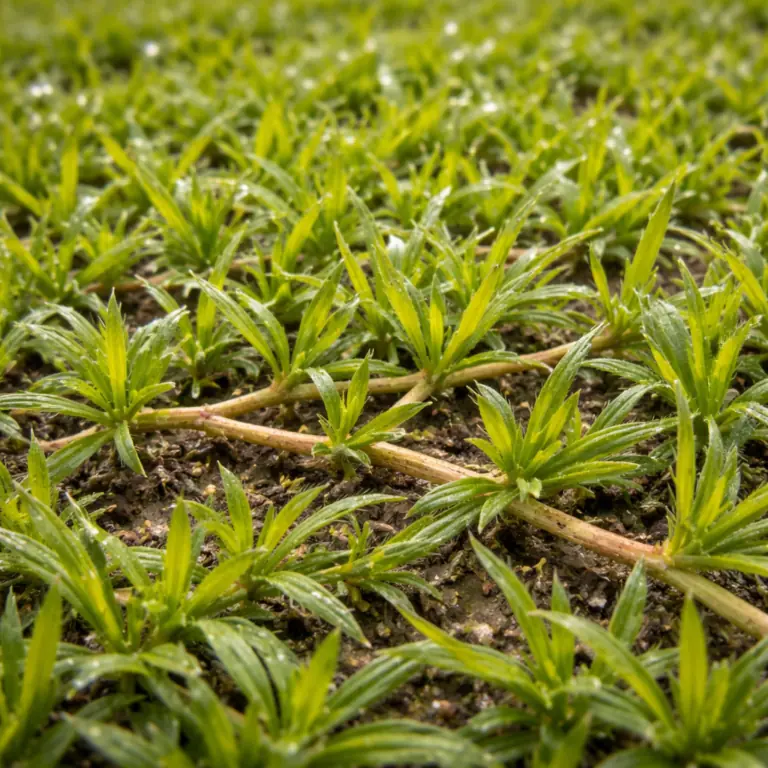
Centipede Grass in Jacksonville, FL: Care Guide
Is Centipede Grass Right for Jacksonville?
Centipede grass thrives exceptionally well in USDA zone 8b, making it an ideal choice for homeowners seeking a low-maintenance lawn. This warm-season grass perfectly matches the zone's climate characteristics, with average winter lows of 15-20°F that allow the grass to enter dormancy without dying, and hot, humid summers that promote vigorous growth. The extended growing season in zone 8b, typically from late March through October, gives centipede grass ample time to establish and recover from any stress. Its natural tolerance for heat and humidity, combined with moderate cold hardiness, makes it well-suited to handle the temperature fluctuations common in this transitional zone.
Understanding centipede grass's seasonal cycle is crucial for proper care. The grass begins emerging from winter dormancy when soil temperatures consistently reach 60-65°F, usually in mid to late March in zone 8b. Peak growth occurs during the warm summer months of June through August, when the grass develops its characteristic dense, low-growing mat. As temperatures cool in late October, the grass gradually enters dormancy, turning yellow-brown and stopping growth until the following spring. During the growing season, centipede grass prefers slightly acidic soil with a pH between 5.0-6.0 and requires well-draining conditions, as it's particularly susceptible to root rot in waterlogged soils. Water needs are moderate; deep, infrequent watering once or twice weekly is preferable to frequent shallow watering, with approximately 1 inch of water per week during active growth periods.
Compared to other warm-season grasses like Bermuda or Zoysia, centipede grass offers distinct advantages and trade-offs. While Bermuda grass handles heavy traffic better and recovers more quickly from damage, centipede grass requires significantly less fertilization and mowing, earning its nickname "lazy man's grass." Unlike the dense, aggressive growth of Zoysia, centipede grass grows more slowly and requires less frequent maintenance, though it's less tolerant of foot traffic and wear. Centipede grass typically needs mowing only every 7-14 days during peak season to maintain its optimal height of 1.5-2 inches, compared to weekly mowing required by most other warm-season varieties.
Maintenance requirements for centipede grass in zone 8b are refreshingly minimal. Fertilization should be light and infrequent, with a single application of low-nitrogen fertilizer in late spring usually sufficient for the entire growing season. Over-fertilization can actually harm centipede grass, leading to thatch buildup and increased susceptibility to disease. The grass rarely requires dethatching due to its slow growth rate, and its natural resistance to most pests and diseases reduces the need for chemical treatments. Spring cleanup should wait until new growth appears, as the dormant grass provides some winter protection to the crown and root system.
How to Plant Centipede Grass in Jacksonville
Best Method
Seed or sod; seed is more economical for large areas
Best Time
Late spring to early summer (April-June) when soil temperature reaches 70°F
Establishment
6-8 weeks for germination, 12-18 months for full establishment
Soil Preparation
Till soil to 4-6 inches deep, remove debris, ensure pH 5.0-6.0, improve drainage if needed
Watering During Establishment
Light daily watering for first 3-4 weeks, then deep watering 2-3 times weekly
Seed rate: 1-2 pounds per 1,000 square feet
Centipede Grass Care Calendar for Jacksonville
Avoid foot traffic on dormant grass Clean and service mowing equipment Plan spring seeding if needed Monitor for winter weeds
Apply pre-emergent herbicide late in month Begin light cleanup of debris Check soil pH if planning improvements Order centipede seed/sod for spring
Apply pre-emergent crabgrass control Begin overseeding thin areas Start regular watering as growth begins Remove winter debris
First mowing of season at 2+ inches Apply centipede-specific fertilizer (low nitrogen) Overseed bare spots Begin weekly watering schedule
Establish regular mowing schedule Monitor for brown patch disease Apply iron supplement if yellowing occurs Increase watering frequency
Maintain consistent watering Watch for chinch bug activity Avoid high-nitrogen fertilizers Mow regularly at proper height
Deep, infrequent watering during heat Monitor for drought stress Treat any pest issues promptly Maintain mowing height at 2 inches
Continue summer watering regimen Watch for fungal diseases in humid conditions Avoid fertilizing during peak heat Keep mower blades sharp
Reduce watering frequency Last opportunity for overseeding Apply light fertilizer if needed Begin transitioning to fall care
Reduce mowing frequency Final fertilizer application (potassium-rich) Overseed thin areas Prepare for dormancy period
Final mowing of season at 1.5 inches Rake leaves promptly Apply winter fertilizer Winterize irrigation system
Avoid traffic on dormant grass Store lawn equipment properly Plan next year's improvements Monitor for winter damage
Avoid foot traffic on dormant grass Clean and service mowing equipment Plan spring seeding if needed Monitor for winter weeds
Apply pre-emergent herbicide late in month Begin light cleanup of debris Check soil pH if planning improvements Order centipede seed/sod for spring
Apply pre-emergent crabgrass control Begin overseeding thin areas Start regular watering as growth begins Remove winter debris
First mowing of season at 2+ inches Apply centipede-specific fertilizer (low nitrogen) Overseed bare spots Begin weekly watering schedule
Establish regular mowing schedule Monitor for brown patch disease Apply iron supplement if yellowing occurs Increase watering frequency
Maintain consistent watering Watch for chinch bug activity Avoid high-nitrogen fertilizers Mow regularly at proper height
Deep, infrequent watering during heat Monitor for drought stress Treat any pest issues promptly Maintain mowing height at 2 inches
Continue summer watering regimen Watch for fungal diseases in humid conditions Avoid fertilizing during peak heat Keep mower blades sharp
Reduce watering frequency Last opportunity for overseeding Apply light fertilizer if needed Begin transitioning to fall care
Reduce mowing frequency Final fertilizer application (potassium-rich) Overseed thin areas Prepare for dormancy period
Final mowing of season at 1.5 inches Rake leaves promptly Apply winter fertilizer Winterize irrigation system
Avoid traffic on dormant grass Store lawn equipment properly Plan next year's improvements Monitor for winter damage
Mowing Centipede Grass in Jacksonville
Ideal Height
1.5-2.0 inches
Summer Height
2.0 inches (higher during heat stress)
Frequency
Weekly during growing season, bi-weekly during slower growth
- • Never remove more than 1/3 of grass blade length
- • Keep mower blades sharp to prevent tearing
- • Mow when grass is dry to prevent disease
Common Centipede Grass Problems in Jacksonville
Iron Chlorosis
Symptoms: Yellowing grass with green veins, stunted growth
Cause: High soil pH preventing iron uptake, over-fertilization with phosphorus
Solution: Apply iron sulfate, maintain soil pH 5.0-6.0, avoid high-phosphorus fertilizers
Brown Patch
Symptoms: Circular brown patches 1-3 feet in diameter, dark borders
Cause: High humidity, over-watering, excessive nitrogen
Solution: Improve air circulation, reduce watering, apply fungicide, avoid nitrogen fertilizer
Chinch Bugs
Symptoms: Yellow then brown patches, insects visible in thatch layer
Cause: Hot, dry conditions favor chinch bug populations
Solution: Apply appropriate insecticide, maintain adequate moisture, overseed damaged areas
Thatch Buildup
Symptoms: Spongy feel underfoot, water runoff, shallow root system
Cause: Overfertilization, infrequent deep watering, poor soil conditions
Solution: Core aerate annually, reduce fertilizer, dethatch if layer exceeds 0.5 inches
Cold Weather Damage
Symptoms: Brown, dead-appearing grass in winter and early spring
Cause: Sudden temperature drops, ice formation, foot traffic on frozen grass
Solution: Avoid traffic during dormancy, overseed damaged areas in spring, provide wind protection
Winter Care for Centipede Grass in Jacksonville
In zone 8b, centipede grass enters dormancy but may retain some green color. Apply potassium-rich fertilizer in late fall, gradually reduce watering, perform final mow at 1.5 inches, remove fallen leaves promptly, and avoid foot traffic during freeze periods. Grass will naturally slow growth and may appear brown but will green up again in spring when soil temperatures consistently reach 65-70°F.
Frequently Asked Questions
Is Centipede grass good for Jacksonville?
Centipede is an excellent low-maintenance choice for Jacksonville (zone 8b), especially if you want a lawn that needs minimal fertilizing and infrequent mowing. It thrives in the acidic soils common in the Southeast.
Why is my Centipede grass turning yellow in Jacksonville?
Yellowing Centipede in Jacksonville is almost always caused by over-fertilizing with nitrogen or soil pH being too high. Centipede prefers acidic soil (pH 5.0–6.0) and needs very little nitrogen, no more than 1–2 lbs per 1,000 sq ft per year.
When does Centipede grass green up in Jacksonville?
In Jacksonville, Centipede grass typically breaks dormancy and greens up in mid-to-late spring once soil temperatures consistently reach 65°F. It is one of the later warm-season grasses to emerge in spring.