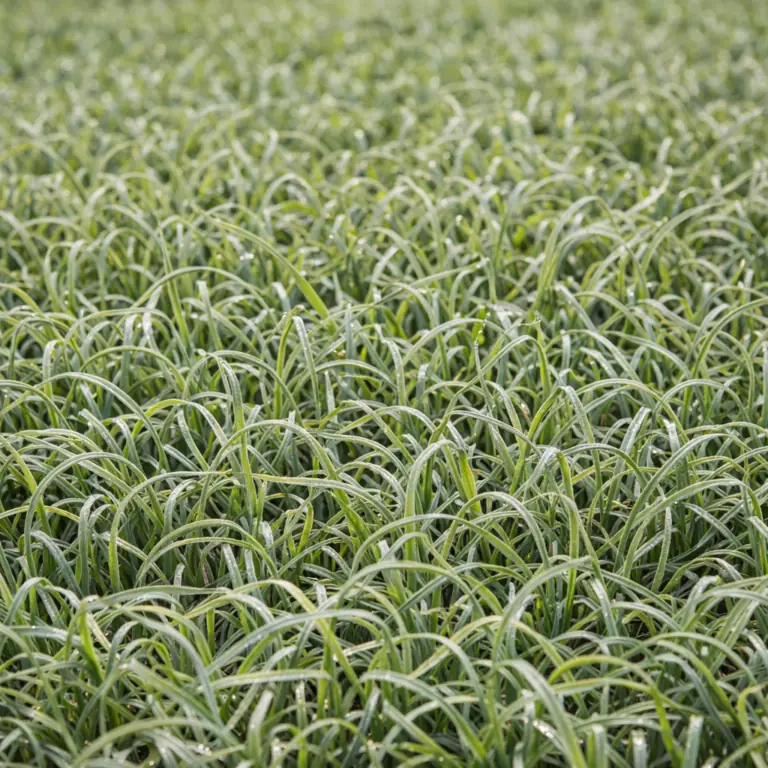
Buffalo Grass in Cincinnati, OH: Care Guide
Is Buffalo Grass Right for Cincinnati?
Buffalo grass (Poaceae dactyloides) presents both opportunities and challenges for USDA zone 6a homeowners seeking a low-maintenance, drought-tolerant lawn. This native prairie grass is naturally adapted to zones 3-9, making zone 6a well within its hardiness range. However, the cooler climate means buffalo grass will have a shorter active growing season compared to warmer regions. The primary advantage lies in its exceptional drought tolerance once established, requiring only 1-2 inches of water monthly during peak growing season. Buffalo grass also tolerates temperature extremes well, surviving winter lows of -10°F to -5°F typical in zone 6a, though it may experience occasional winter injury during unusually harsh years below -15°F.
The seasonal performance cycle in zone 6a follows a predictable pattern that homeowners must understand before choosing this grass. Green-up typically occurs when soil temperatures reach 50-55°F consistently, usually mid to late April. The grass reaches peak performance during summer months when daytime temperatures range from 80-95°F, displaying its characteristic blue-green color and slow but steady growth. As fall progresses and nighttime temperatures drop below 50°F in October, buffalo grass begins entering dormancy, turning a golden-tan color that persists through winter until the following spring. This dormancy period lasts approximately 5-6 months in zone 6a, significantly longer than in southern climates.
Buffalo grass thrives in well-draining soils with pH levels between 6.0-8.5 and demonstrates remarkable tolerance for clay soils common in many zone 6a regions. Establishment requires patience, as buffalo grass spreads slowly through stolons and may take 2-3 growing seasons to achieve full coverage when seeded. The grass performs best in full sun locations receiving at least 6-8 hours of direct sunlight daily. Compared to cool-season alternatives like tall fescue or Kentucky bluegrass, buffalo grass offers superior drought tolerance and lower fertilizer requirements but provides a less lush appearance and extended dormancy period that some homeowners find unacceptable.
Long-term maintenance expectations favor buffalo grass for low-input lawn management. Once established, annual fertilization requirements are minimal, typically requiring only 1-2 pounds of nitrogen per 1,000 square feet annually. Mowing frequency is significantly reduced compared to cool-season grasses, often requiring cutting only 4-6 times per growing season to maintain a 2-3 inch height. However, homeowners must accept the aesthetic trade-offs: slower establishment, extended winter dormancy, and a less dense turf compared to traditional cool-season lawns. Buffalo grass works best for environmentally conscious homeowners prioritizing water conservation and reduced maintenance over year-round green appearance in zone 6a landscapes.
How to Plant Buffalo Grass in Cincinnati
Best Method
seeding
Best Time
late April to early June
Establishment
6-10 weeks
Soil Preparation
Till soil to 4-6 inches deep and remove weeds and debris. Ensure soil pH between 6.0-8.0 and improve drainage in heavy clay areas.
Watering During Establishment
Water lightly 2-3 times daily to keep soil surface moist until germination occurs in 7-21 days. After germination, reduce frequency to once daily with deeper watering until establishment.
Seed rate: 2-3 pounds per 1000 square feet
Buffalo Grass Care Calendar for Cincinnati
Buffalo grass is dormant and brown. Check for winter damage and plan spring seeding or renovation projects.
Continue dormancy period monitoring. Order seeds or plugs for spring planting if expansion is planned.
Begin soil temperature monitoring for planting readiness. Remove any winter debris when soil is not frozen.
Plant seeds when soil temperature reaches 60°F consistently. Begin light watering if establishing new areas.
Continue establishment watering for new plantings. Apply pre-emergent herbicide if weed control is needed.
Monitor growth and reduce watering frequency as grass establishes. Begin regular mowing schedule at 3-4 inches.
Maintain summer mowing height of 2-3 inches. Water deeply but infrequently during extended dry periods.
Continue drought-resistant maintenance with minimal watering. Monitor for chinch bugs and other summer pests.
Last opportunity for overseeding thin areas. Reduce mowing frequency as growth slows.
Final mowing at 3-4 inches before dormancy. Clear fallen leaves to prevent smothering.
Grass begins dormancy and turns brown. Avoid foot traffic on frozen grass blades.
Maintain dormancy period with minimal disturbance. Plan next year's lawn care schedule.
Buffalo grass is dormant and brown. Check for winter damage and plan spring seeding or renovation projects.
Continue dormancy period monitoring. Order seeds or plugs for spring planting if expansion is planned.
Begin soil temperature monitoring for planting readiness. Remove any winter debris when soil is not frozen.
Plant seeds when soil temperature reaches 60°F consistently. Begin light watering if establishing new areas.
Continue establishment watering for new plantings. Apply pre-emergent herbicide if weed control is needed.
Monitor growth and reduce watering frequency as grass establishes. Begin regular mowing schedule at 3-4 inches.
Maintain summer mowing height of 2-3 inches. Water deeply but infrequently during extended dry periods.
Continue drought-resistant maintenance with minimal watering. Monitor for chinch bugs and other summer pests.
Last opportunity for overseeding thin areas. Reduce mowing frequency as growth slows.
Final mowing at 3-4 inches before dormancy. Clear fallen leaves to prevent smothering.
Grass begins dormancy and turns brown. Avoid foot traffic on frozen grass blades.
Maintain dormancy period with minimal disturbance. Plan next year's lawn care schedule.
Mowing Buffalo Grass in Cincinnati
Ideal Height
3-4 inches
Summer Height
2-3 inches
Frequency
every 2-3 weeks during growing season
- • Never remove more than one-third of grass blade length in a single mowing
- • Use sharp mower blades to prevent tearing and browning of grass tips
- • Allow grass to grow taller before first frost to improve winter hardiness
Common Buffalo Grass Problems in Cincinnati
Chinch bugs
Symptoms: Yellow patches that expand outward, grass appears drought-stressed despite adequate water
Cause: Small insects feeding on grass stems and roots during hot summer weather
Solution: Apply beneficial nematodes or targeted insecticide in early summer when temperatures reach 70°F
Winter kill
Symptoms: Brown or dead patches that don't green up in spring, particularly in exposed areas
Cause: Extreme cold temperatures below -10°F without snow cover protection
Solution: Overseed damaged areas in late spring and provide wind protection with landscape features
Slow establishment
Symptoms: Patchy germination and thin coverage after 8-10 weeks of seeding
Cause: Cool soil temperatures below 60°F or inconsistent moisture during germination
Solution: Wait for proper soil temperature and maintain consistent moisture for 3-4 weeks after seeding
Weed invasion
Symptoms: Broadleaf weeds and annual grasses competing with buffalo grass
Cause: Thin grass coverage allowing weed seeds to establish in open areas
Solution: Apply pre-emergent herbicide in early April and overseed thin areas to increase density
Brown patch disease
Symptoms: Circular brown patches 6-24 inches in diameter with darker borders
Cause: Fungal infection during humid conditions with temperatures between 70-85°F
Solution: Improve air circulation, reduce watering frequency, and apply fungicide if severe
Winter Care for Buffalo Grass in Cincinnati
Buffalo grass naturally enters dormancy when temperatures drop below 50°F and turns brown until spring. Perform final mowing at 3-4 inches in late October and avoid foot traffic on frozen grass to prevent damage.
Frequently Asked Questions
Is Buffalo grass a good choice for Cincinnati?
Buffalo grass is an excellent choice for Cincinnati (zone 6a) if you want a water-efficient, low-maintenance lawn. It is native to the Great Plains and thrives in full sun with minimal irrigation once established, often surviving on rainfall alone.
How much water does Buffalo grass need in Cincinnati?
Once established, Buffalo grass in Cincinnati needs as little as 1 inch of water per month, far less than any other lawn grass. During establishment (first season), water weekly to help roots develop. After that, supplemental irrigation is rarely needed.
When does Buffalo grass green up in Cincinnati?
Buffalo grass is one of the latest grasses to break dormancy in Cincinnati, typically greening up in May when soil temperatures consistently reach 60°F. It goes dormant earlier in fall than Bermuda, usually by October.