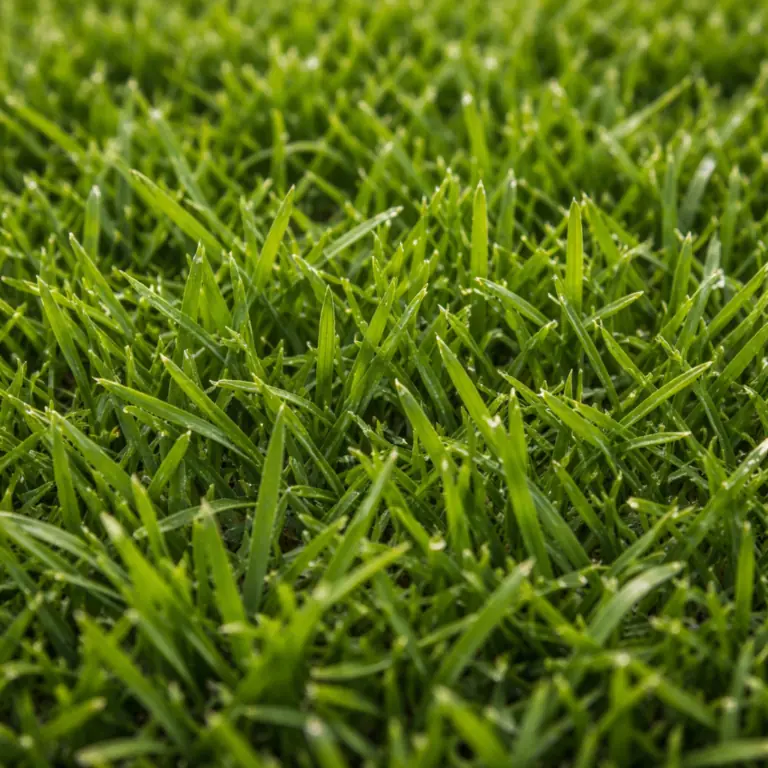
Bermuda Grass in Phoenix, AZ: Care Guide
Is Bermuda Grass Right for Phoenix?
Bermuda grass is an excellent choice for USDA zone 9b, where winter temperatures rarely drop below 25-30°F and summer highs consistently reach 85-95°F. This warm-season perennial thrives in the long, hot growing seasons characteristic of this zone, which can extend from March through October. The primary challenge in zone 9b is managing the transition periods during cooler months when temperatures fluctuate between 40-60°F, as Bermuda grass begins losing color and growth slows significantly. However, the relatively mild winters mean the grass rarely experiences complete kill-back, making spring recovery faster and more reliable than in cooler zones.
The seasonal performance cycle of Bermuda grass in zone 9b follows a predictable pattern. Green-up typically begins when soil temperatures consistently reach 65°F, usually occurring in mid to late March. Peak performance occurs during summer months when temperatures range from 80-95°F, displaying dense, vibrant green growth with excellent wear tolerance. As temperatures drop below 50°F in late November or December, the grass enters dormancy, turning golden-brown but maintaining its root system. This dormant period is relatively short, lasting only 3-4 months compared to 5-6 months in cooler zones.
Bermuda grass requires well-draining soils with a pH between 6.0-7.0 and performs best in sandy loam conditions common in zone 9b. Water requirements are moderate, needing approximately 1-1.5 inches per week during active growth, including rainfall. Deep, infrequent watering encourages strong root development, while shallow daily watering should be avoided. Compared to alternatives like St. Augustine or Zoysia grass, Bermuda offers superior drought tolerance and faster establishment but requires more frequent mowing and aggressive lateral growth management.
Long-term maintenance expectations include weekly mowing during peak season at heights of 0.5-2 inches, depending on variety and use. Annual nitrogen requirements range from 2-4 pounds per 1,000 square feet, applied in split applications from April through August. Edge management is crucial, as Bermuda's aggressive growth habit will invade flower beds and adjacent areas without proper barriers or regular trimming. Overseeding with cool-season grasses like perennial ryegrass in October can maintain green color during dormancy, though this practice requires careful timing and increased water and fertilizer inputs. Professional core aeration every 2-3 years helps manage thatch buildup and soil compaction, particularly important given Bermuda's dense growth habit and the clay components often found in zone 9b soils.
How to Plant Bermuda Grass in Phoenix
Best Method
seeding or sodding
Best Time
April through July when soil temperatures reach 65-70°F
Establishment
6-8 weeks from seed, 2-3 weeks from sod
Soil Preparation
Till soil to 4-6 inches deep and amend with compost to achieve pH between 6.0-7.0. Level and firm soil surface, ensuring good drainage to prevent waterlogging.
Watering During Establishment
Water lightly 2-3 times daily for first 2 weeks to keep soil surface moist without creating puddles. Gradually reduce frequency to deep watering every 2-3 days once established.
Seed rate: 1-2 lbs per 1000 sq ft
Bermuda Grass Care Calendar for Phoenix
Monitor for frost damage and avoid foot traffic on dormant grass. Apply pre-emergent herbicide for winter weeds if temperatures stay below 50°F.
Begin planning spring renovation projects and ordering seed or sod. Apply pre-emergent herbicide by mid-month before soil temperatures reach 55°F.
Start spring cleanup by removing debris and dethatching if layer exceeds 0.5 inches. Begin fertilization program with 1 lb nitrogen per 1000 sq ft when grass shows green-up.
Plant new bermuda grass from seed or sod when soil temperatures consistently reach 65°F. Apply second fertilizer application and begin regular watering schedule.
Increase mowing frequency to weekly as growth accelerates. Apply 1 lb nitrogen per 1000 sq ft and monitor for pest activity.
Maintain regular watering schedule of 1-1.5 inches per week including rainfall. Apply summer fertilizer and treat any brown patch or grub issues immediately.
Continue frequent watering during peak heat, preferably early morning. Mow twice weekly and apply supplemental potassium to improve heat tolerance.
Monitor for drought stress and increase watering frequency if needed. Apply late summer fertilizer application and overseed thin areas.
Reduce nitrogen fertilization to 0.5 lb per 1000 sq ft. Continue regular watering but begin transitioning to fall schedule.
Apply final fertilizer application with higher potassium content for winter hardiness. Gradually reduce mowing frequency as growth slows.
Perform final mowing at 1 inch height and apply winter pre-emergent herbicide. Reduce watering frequency significantly.
Minimize foot traffic on dormant grass and avoid winter fertilization. Plan maintenance equipment servicing for spring.
Monitor for frost damage and avoid foot traffic on dormant grass. Apply pre-emergent herbicide for winter weeds if temperatures stay below 50°F.
Begin planning spring renovation projects and ordering seed or sod. Apply pre-emergent herbicide by mid-month before soil temperatures reach 55°F.
Start spring cleanup by removing debris and dethatching if layer exceeds 0.5 inches. Begin fertilization program with 1 lb nitrogen per 1000 sq ft when grass shows green-up.
Plant new bermuda grass from seed or sod when soil temperatures consistently reach 65°F. Apply second fertilizer application and begin regular watering schedule.
Increase mowing frequency to weekly as growth accelerates. Apply 1 lb nitrogen per 1000 sq ft and monitor for pest activity.
Maintain regular watering schedule of 1-1.5 inches per week including rainfall. Apply summer fertilizer and treat any brown patch or grub issues immediately.
Continue frequent watering during peak heat, preferably early morning. Mow twice weekly and apply supplemental potassium to improve heat tolerance.
Monitor for drought stress and increase watering frequency if needed. Apply late summer fertilizer application and overseed thin areas.
Reduce nitrogen fertilization to 0.5 lb per 1000 sq ft. Continue regular watering but begin transitioning to fall schedule.
Apply final fertilizer application with higher potassium content for winter hardiness. Gradually reduce mowing frequency as growth slows.
Perform final mowing at 1 inch height and apply winter pre-emergent herbicide. Reduce watering frequency significantly.
Minimize foot traffic on dormant grass and avoid winter fertilization. Plan maintenance equipment servicing for spring.
Mowing Bermuda Grass in Phoenix
Ideal Height
0.5-1.5 inches
Summer Height
1-2 inches during peak heat
Frequency
twice weekly during active growth, weekly during slower periods
- • Never remove more than 1/3 of blade length in single mowing
- • Use sharp blades to prevent brown tips and disease entry points
- • Mow when grass is dry to achieve cleanest cut and prevent clumping
Common Bermuda Grass Problems in Phoenix
Brown Patch
Symptoms: Circular brown patches 2-3 feet in diameter with darker outer ring
Cause: Fungal disease favored by high humidity, temperatures 75-85°F, and excess nitrogen
Solution: Improve air circulation, reduce watering frequency, apply fungicide, and avoid nitrogen fertilization during outbreaks
Grub Damage
Symptoms: Irregular brown patches that lift easily like carpet, increased bird activity
Cause: White grubs feeding on grass roots, typically June beetles or May beetles
Solution: Apply grub control insecticide containing imidacloprid or clothianidin in late spring or early summer
Dollar Spot
Symptoms: Small silver-dollar sized tan spots with white cobweb-like mycelium in morning dew
Cause: Fungal disease promoted by low nitrogen, drought stress, and heavy dew
Solution: Increase nitrogen fertilization, water deeply but less frequently, and apply preventive fungicide
Chinch Bug Damage
Symptoms: Yellowing patches that turn brown, typically in sunny areas during hot weather
Cause: Small black bugs with white wings feeding on grass crowns and stems
Solution: Apply insecticide containing bifenthrin or carbaryl, increase watering, and maintain proper fertilization
Spring Dead Spot
Symptoms: Circular dead areas 1-3 feet diameter appearing in spring as grass greens up
Cause: Fungal root rot occurring during fall and winter months
Solution: Reduce fall nitrogen fertilization, improve drainage, apply preventive fungicide in late summer
Winter Care for Bermuda Grass in Phoenix
Begin winterization in October by reducing nitrogen fertilization and applying potassium-rich fertilizer for cold tolerance. Perform final mowing at 1 inch height in November and apply winter pre-emergent herbicide to prevent cool-season weeds.
Frequently Asked Questions
Is Bermuda grass good for Phoenix?
Bermuda grass is an excellent choice for Phoenix (zone 9b). It thrives in heat and drought conditions, making it ideal for sunny lawns that see heavy foot traffic.
When does Bermuda grass go dormant in Phoenix?
In Phoenix, Bermuda grass typically goes dormant when soil temperatures drop below 55°F, usually November–December. It turns brown but recovers fully in spring once temperatures rise again.
How often should I mow Bermuda grass in Phoenix?
Mow Bermuda grass every 5–7 days during its active growing season in Phoenix (spring through early fall). Keep the height at 1–1.5 inches, Bermuda is one of the few grasses that does better when cut short.