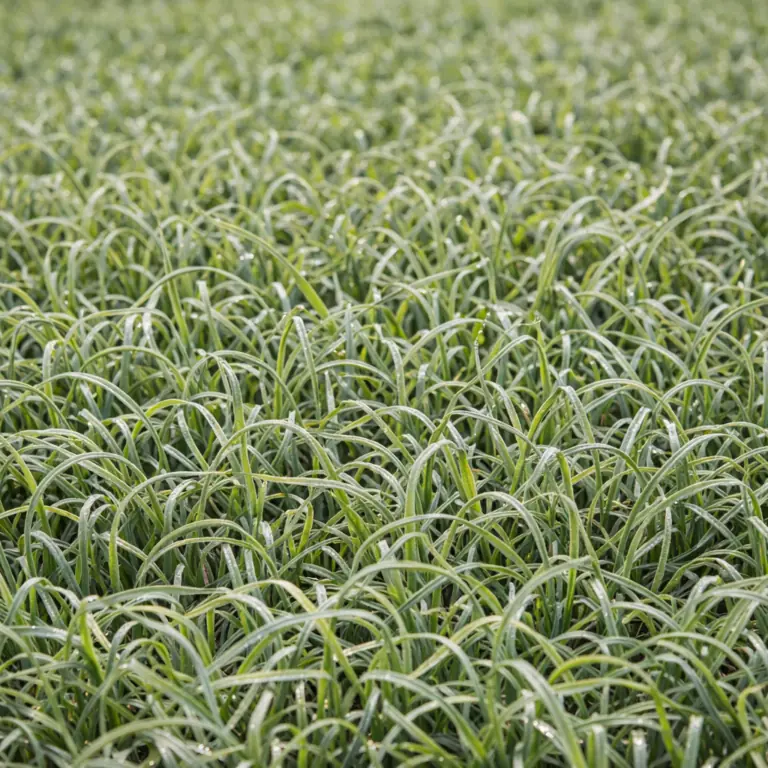
Annual Ryegrass in Temple, TX: Care Guide
Is Annual Ryegrass Right for Temple?
Annual ryegrass presents both opportunities and challenges for USDA zone 8b, where average winter lows range from 15-20°F and summer highs frequently exceed 95°F. This cool-season grass thrives during the zone's moderate winter months but struggles significantly with the intense summer heat and humidity. The relatively mild winters make it an excellent choice for temporary winter coverage, overseeding dormant warm-season grasses, or establishing quick erosion control. However, its annual nature and heat intolerance mean it will inevitably decline and die during summer, making it unsuitable as a permanent lawn solution in this transitional climate zone.
The seasonal performance cycle of annual ryegrass in zone 8b follows a predictable pattern tied to temperature fluctuations. Germination occurs rapidly when soil temperatures drop to 50-65°F, typically in late September through November, with seedlings emerging in 5-10 days under adequate moisture. Peak performance occurs during winter months when temperatures range from 40-70°F, producing lush, dark green growth that can handle moderate foot traffic. Spring growth accelerates as temperatures rise into the 70s, but once consistent daytime temperatures exceed 85°F and nighttime temperatures stay above 70°F (usually May-June), the grass begins rapid decline, turning brown and dying within 2-4 weeks regardless of irrigation or fertilization efforts.
Soil and water management are critical for success with annual ryegrass in zone 8b. The grass performs best in well-draining soils with pH between 6.0-7.0 and requires consistent moisture during establishment, needing approximately 1-1.5 inches of water weekly. Apply a starter fertilizer at seeding with 1-2 pounds of nitrogen per 1,000 square feet, followed by light monthly applications of 0.5-1 pound nitrogen per 1,000 square feet during active growth periods. Compared to alternatives like perennial ryegrass or tall fescue, annual ryegrass offers faster establishment and lower initial cost but lacks persistence. Perennial ryegrass provides better summer survival but grows more slowly, while tall fescue offers superior heat tolerance but requires more time to establish.
Long-term maintenance expectations for annual ryegrass in zone 8b center around its temporary nature and annual replanting requirements. Plan for complete reseeding each fall, as summer temperatures will eliminate the previous year's stand entirely. During active growth periods, maintain mowing height at 2-3 inches and expect to mow weekly during peak spring growth. Budget for annual seed costs of 5-10 pounds per 1,000 square feet and consider transition planning to warm-season alternatives or accept seasonal dormancy periods. The grass provides excellent cool-season coverage and rapid establishment but demands acceptance of its inherent summer mortality in this challenging transitional zone.
How to Plant Annual Ryegrass in Temple
Best Method
broadcast seeding with light cultivation or drill seeding for best seed-to-soil contact
Best Time
March-April or September-October when soil temperatures are 50-70°F
Establishment
7-14 days for germination, 4-6 weeks for full establishment, first mowing at 6-8 weeks
Soil Preparation
Till or disk soil to 2-3 inch depth and create a firm, level seedbed. Incorporate lime if soil pH is below 6.0 and add organic matter if soil is clay-heavy.
Watering During Establishment
Apply 0.5-0.75 inches of water weekly through light, frequent irrigations to keep soil surface moist. Reduce frequency but increase depth once seedlings reach 2-3 inches tall to encourage deep root development.
Seed rate: 20-30 lbs per acre broadcast, 15-25 lbs per acre drill seeded
Annual Ryegrass Care Calendar for Temple
Monitor established stands for winter damage and frost burn on leaf tips. Apply light fertilization if growth resumes during warm spells. Check for fungal issues in wet, cool conditions.
Begin preparing seed beds for spring planting if soil can be worked. Test soil pH and adjust if needed for optimal 6.0-7.0 range. Scout for early pest activity as temperatures warm.
Prime time for spring seeding when soil temperatures reach 50-55°F. Apply pre-emergent herbicide for weed control before seeding. Begin regular mowing schedule as growth accelerates.
Continue spring seeding through early April. Apply nitrogen fertilizer at 40-60 lbs/acre to established stands. Increase mowing frequency as growth peaks.
Focus on maintaining optimal 3-4 inch height through frequent mowing. Monitor for armyworm and aphid infestations. Begin planning for summer overseeding if stands are thin.
Raise mowing height to 4-5 inches to help plants cope with increasing heat stress. Ensure adequate irrigation during dry periods. Scout for brown patch and other fungal diseases.
Maintain summer mowing height of 4-6 inches to preserve crown health. Reduce nitrogen fertilization to prevent disease susceptibility. Prepare for fall overseeding by ordering seed.
Continue summer management practices with higher mowing heights. Begin soil preparation for fall seeding in late August. Monitor irrigation needs closely during peak heat.
Prime fall seeding window begins when soil temperatures drop to 65-70°F. Dethatch and aerate if needed before seeding. Apply starter fertilizer with seeding.
Continue fall seeding through mid-October for best establishment. Apply balanced fertilizer to promote root development before winter. Begin reducing mowing frequency.
Complete final seeding by mid-November. Apply potassium fertilizer to improve cold tolerance. Gradually reduce mowing as growth slows with shorter days.
Minimal maintenance required as grass enters dormancy. Avoid traffic on frozen grass to prevent damage. Plan next year's seeding and fertilization program.
Monitor established stands for winter damage and frost burn on leaf tips. Apply light fertilization if growth resumes during warm spells. Check for fungal issues in wet, cool conditions.
Begin preparing seed beds for spring planting if soil can be worked. Test soil pH and adjust if needed for optimal 6.0-7.0 range. Scout for early pest activity as temperatures warm.
Prime time for spring seeding when soil temperatures reach 50-55°F. Apply pre-emergent herbicide for weed control before seeding. Begin regular mowing schedule as growth accelerates.
Continue spring seeding through early April. Apply nitrogen fertilizer at 40-60 lbs/acre to established stands. Increase mowing frequency as growth peaks.
Focus on maintaining optimal 3-4 inch height through frequent mowing. Monitor for armyworm and aphid infestations. Begin planning for summer overseeding if stands are thin.
Raise mowing height to 4-5 inches to help plants cope with increasing heat stress. Ensure adequate irrigation during dry periods. Scout for brown patch and other fungal diseases.
Maintain summer mowing height of 4-6 inches to preserve crown health. Reduce nitrogen fertilization to prevent disease susceptibility. Prepare for fall overseeding by ordering seed.
Continue summer management practices with higher mowing heights. Begin soil preparation for fall seeding in late August. Monitor irrigation needs closely during peak heat.
Prime fall seeding window begins when soil temperatures drop to 65-70°F. Dethatch and aerate if needed before seeding. Apply starter fertilizer with seeding.
Continue fall seeding through mid-October for best establishment. Apply balanced fertilizer to promote root development before winter. Begin reducing mowing frequency.
Complete final seeding by mid-November. Apply potassium fertilizer to improve cold tolerance. Gradually reduce mowing as growth slows with shorter days.
Minimal maintenance required as grass enters dormancy. Avoid traffic on frozen grass to prevent damage. Plan next year's seeding and fertilization program.
Mowing Annual Ryegrass in Temple
Ideal Height
3-4 inches during spring and fall growing seasons
Summer Height
4-6 inches to reduce heat stress and maintain plant health
Frequency
weekly during active growth, every 10-14 days during summer stress periods
- • Never remove more than 1/3 of leaf blade length in a single mowing
- • Keep mower blades sharp to prevent tearing and disease entry points
- • Mow when grass is dry to prevent clumping and fungal disease spread
Common Annual Ryegrass Problems in Temple
Brown patch fungus
Symptoms: Circular brown patches 6 inches to several feet in diameter with darker borders
Cause: High humidity, warm nights above 70°F, and excessive nitrogen fertilization
Solution: Improve air circulation, reduce nitrogen, apply fungicide containing propiconazole or azoxystrobin
Armyworm infestation
Symptoms: Irregular brown patches with grass chewed down to crowns, green pellet-like droppings visible
Cause: Fall armyworm larvae feeding during warm, humid conditions in late summer/fall
Solution: Apply insecticide containing bifenthrin or chlorantraniliprole when larvae are small and actively feeding
Poor germination
Symptoms: Sparse, patchy emergence with large bare areas after 2-3 weeks
Cause: Poor seed-to-soil contact, planting too deep, or inadequate moisture during germination
Solution: Reseed with proper soil preparation, plant at 0.25-0.5 inch depth, maintain consistent moisture
Winter kill
Symptoms: Brown, dead patches appearing after severe cold snaps below 15°F
Cause: Inadequate cold hardening, poor drainage, or late fall nitrogen fertilization
Solution: Apply potassium fertilizer in fall, improve drainage, avoid nitrogen after October
Aphid damage
Symptoms: Yellowing grass blades, sticky honeydew on leaves, and stunted growth
Cause: Bird cherry-oat aphid infestations during cool, moist spring conditions
Solution: Apply insecticidal soap or systemic insecticide containing imidacloprid when populations exceed 10 per tiller
Winter Care for Annual Ryegrass in Temple
Apply 0-0-60 potassium fertilizer at 40 lbs/acre in late October to improve cold tolerance and reduce winter kill. Gradually raise mowing height to 4-5 inches by December and avoid traffic on frozen grass to prevent crown damage.
Frequently Asked Questions
Should I overseed with Annual Ryegrass in Temple?
Annual Ryegrass is a popular winter overseeding choice in Temple (zone 8b) for keeping dormant Bermuda or Zoysia lawns green through winter. Seed in October–November and it will die off naturally when summer heat returns, letting your warm-season grass recover.
When does Annual Ryegrass die off in Temple?
Annual Ryegrass in Temple typically dies when daytime temperatures consistently exceed 85°F, usually May–June. As it thins out, your underlying warm-season grass takes over. Avoid overseeding too heavily as thick ryegrass can slow warm-season grass recovery.
How much Annual Ryegrass seed do I need for Temple?
For winter overseeding in Temple, use 10–15 lbs of Annual Ryegrass seed per 1,000 sq ft. Mow your warm-season lawn short (1 inch) before seeding, rake the surface lightly, broadcast seed evenly, and water daily until established.