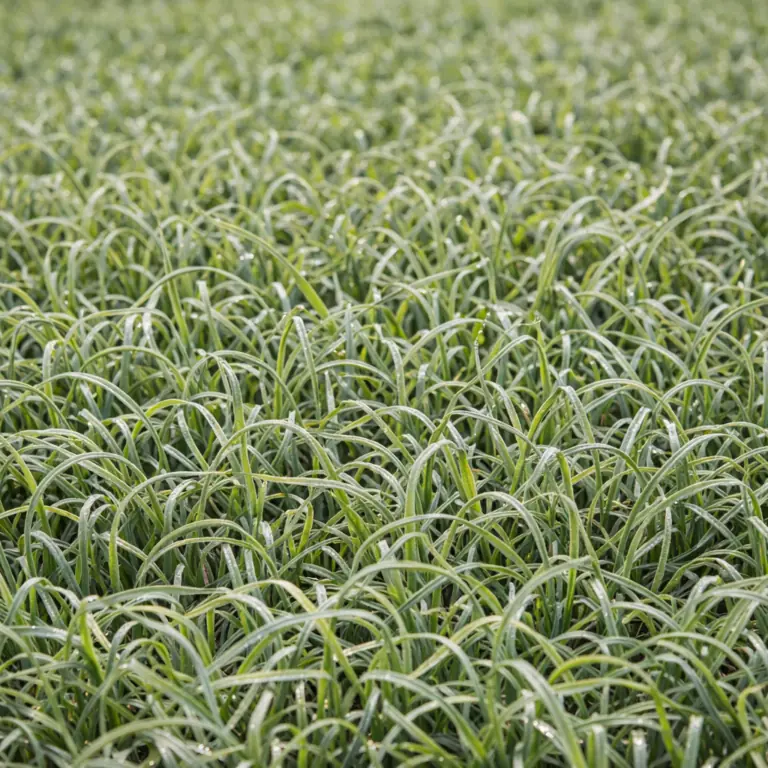
Annual Ryegrass in San Jose, CA: Care Guide
Is Annual Ryegrass Right for San Jose?
Annual ryegrass presents both opportunities and challenges for USDA zone 9b homeowners seeking cool-season turf. This zone's mild winter temperatures (25-30°F minimum) create favorable conditions for ryegrass establishment and growth, while the hot summers (often exceeding 95°F) ensure the grass naturally dies back as intended. The primary advantage lies in providing vibrant green coverage during months when warm-season grasses like bermuda and zoysia enter dormancy. However, the challenge comes from zone 9b's extended growing season and variable winter temperatures, which can stress the grass during unseasonably warm spells and create uneven performance.
The seasonal performance cycle in zone 9b typically begins with seeding in early October when soil temperatures drop to 65-70°F. Germination occurs within 5-10 days, followed by rapid establishment through November and December. Peak performance happens from January through March when daytime temperatures range from 60-75°F and nighttime lows stay above freezing. The grass maintains excellent color and density during this period, requiring weekly mowing at 2-3 inches. As temperatures consistently reach 80°F or higher in late April and May, the ryegrass begins declining rapidly, with complete die-back occurring by June when soil temperatures exceed 75°F.
Annual ryegrass thrives in well-draining soils with pH between 6.0-7.5 and requires consistent moisture without waterlogging. Apply 1-1.5 inches of water weekly during active growth, adjusting for rainfall. Fertilize with 0.5-1.0 pounds of nitrogen per 1,000 square feet monthly during peak season. Compared to alternatives like perennial ryegrass or tall fescue, annual ryegrass offers faster establishment and better heat tolerance in this zone, though it lacks the durability of perennial options. It significantly outperforms cool-season alternatives that struggle with zone 9b's heat intensity and duration.
Long-term maintenance expectations center around the annual replanting cycle, which becomes the primary ongoing task. Budget for 5-8 pounds of seed per 1,000 square feet annually, plus associated fertilizer and watering costs. The grass requires minimal pest management but benefits from pre-emergent herbicide applications in late summer to prevent winter weeds. Plan for complete renovation each fall, including soil preparation, seeding, and starter fertilizer application. While this creates more work than permanent turf solutions, annual ryegrass provides reliable winter color and naturally transitions out before summer heat stress becomes problematic, making it an excellent choice for zone 9b overseeding programs or temporary cool-season lawns.
How to Plant Annual Ryegrass in San Jose
Best Method
broadcast seeding with light rake coverage
Best Time
mid to late September when soil temperatures drop to 75-80°F
Establishment
7-14 days for germination, 4-6 weeks for full establishment
Soil Preparation
Remove thatch and debris, then rake soil to create a smooth, firm seedbed with good seed-to-soil contact. Add 1 inch of compost if soil is compacted or sandy.
Watering During Establishment
Water lightly 2-3 times daily for first 2 weeks to keep soil surface moist but not soggy. Reduce to once daily deep watering after germination, then transition to 2-3 times weekly by week 4.
Seed rate: 6-8 lbs per 1000 sq ft for new planting, 4-5 lbs per 1000 sq ft for overseeding
Annual Ryegrass Care Calendar for San Jose
Continue overseeded ryegrass maintenance with regular mowing at 2-3 inches. Apply nitrogen fertilizer at 0.5 lbs per 1000 sq ft if growth is slow. Monitor for brown patch disease in mild periods.
Maintain mowing schedule as ryegrass begins more active growth. Begin planning transition back to warm-season grass or summer alternatives. Check irrigation system for spring preparation.
Increase mowing frequency as temperatures reach 60-70°F consistently. Begin reducing nitrogen applications to avoid excessive growth. Start planning summer transition strategy.
Mow weekly as ryegrass peaks in growth before heat stress begins. Reduce watering frequency but increase depth to encourage deep roots. Begin overseeding warm-season grasses if transitioning.
Manage heat stress by mowing higher at 3-4 inches and watering deeply twice weekly. Ryegrass will begin declining as temperatures exceed 80°F regularly. Increase warm-season grass establishment if transitioning.
Expect significant decline in ryegrass quality as temperatures reach 85-90°F. Focus on warm-season grass establishment or prepare for dormant summer period. Reduce fertilization completely.
Ryegrass will be largely dormant or dead in zone 9b heat. Maintain any remaining patches with deep, infrequent watering. Focus on warm-season alternatives or prepare for fall reseeding.
Continue summer maintenance of warm-season alternatives. Begin soil preparation for fall ryegrass seeding in late August. Order seed for September planting.
Prime seeding time when soil temperatures drop below 80°F (usually mid to late September). Prepare seedbed and plant at 6-8 lbs per 1000 sq ft. Begin establishment watering routine.
Continue establishment care with daily light watering until germination. Begin weekly mowing once grass reaches 3 inches. Apply starter fertilizer with phosphorus if soil test indicates need.
Reduce watering frequency to 2-3 times weekly as roots establish. Mow regularly to maintain 2-3 inch height. Apply balanced fertilizer at 1 lb nitrogen per 1000 sq ft.
Maintain regular mowing schedule as growth slows but continues in mild zone 9b winters. Monitor for fungal diseases in cool, wet conditions. Adjust irrigation for winter rainfall patterns.
Continue overseeded ryegrass maintenance with regular mowing at 2-3 inches. Apply nitrogen fertilizer at 0.5 lbs per 1000 sq ft if growth is slow. Monitor for brown patch disease in mild periods.
Maintain mowing schedule as ryegrass begins more active growth. Begin planning transition back to warm-season grass or summer alternatives. Check irrigation system for spring preparation.
Increase mowing frequency as temperatures reach 60-70°F consistently. Begin reducing nitrogen applications to avoid excessive growth. Start planning summer transition strategy.
Mow weekly as ryegrass peaks in growth before heat stress begins. Reduce watering frequency but increase depth to encourage deep roots. Begin overseeding warm-season grasses if transitioning.
Manage heat stress by mowing higher at 3-4 inches and watering deeply twice weekly. Ryegrass will begin declining as temperatures exceed 80°F regularly. Increase warm-season grass establishment if transitioning.
Expect significant decline in ryegrass quality as temperatures reach 85-90°F. Focus on warm-season grass establishment or prepare for dormant summer period. Reduce fertilization completely.
Ryegrass will be largely dormant or dead in zone 9b heat. Maintain any remaining patches with deep, infrequent watering. Focus on warm-season alternatives or prepare for fall reseeding.
Continue summer maintenance of warm-season alternatives. Begin soil preparation for fall ryegrass seeding in late August. Order seed for September planting.
Prime seeding time when soil temperatures drop below 80°F (usually mid to late September). Prepare seedbed and plant at 6-8 lbs per 1000 sq ft. Begin establishment watering routine.
Continue establishment care with daily light watering until germination. Begin weekly mowing once grass reaches 3 inches. Apply starter fertilizer with phosphorus if soil test indicates need.
Reduce watering frequency to 2-3 times weekly as roots establish. Mow regularly to maintain 2-3 inch height. Apply balanced fertilizer at 1 lb nitrogen per 1000 sq ft.
Maintain regular mowing schedule as growth slows but continues in mild zone 9b winters. Monitor for fungal diseases in cool, wet conditions. Adjust irrigation for winter rainfall patterns.
Mowing Annual Ryegrass in San Jose
Ideal Height
2-3 inches
Summer Height
3-4 inches to reduce heat stress
Frequency
weekly during active growth, bi-weekly during slow periods
- • Never remove more than 1/3 of blade height in a single mowing
- • Use sharp blades to prevent fraying and disease entry points
- • Mow when grass is dry to prevent clumping and disease spread
Common Annual Ryegrass Problems in San Jose
Brown Patch Disease
Symptoms: Circular brown patches 6 inches to several feet wide with darker border rings
Cause: Excessive moisture and humidity combined with temperatures 70-85°F
Solution: Improve air circulation, reduce nitrogen, water deeply but less frequently, apply fungicide if severe
Heat Stress Decline
Symptoms: Yellowing, thinning, and gradual death during summer months above 85°F
Cause: Annual ryegrass is cool-season and cannot tolerate sustained high temperatures
Solution: Raise mowing height to 3-4 inches, water deeply twice weekly, provide afternoon shade if possible
Poor Germination
Symptoms: Patchy establishment with bare spots after 3 weeks
Cause: Soil too warm (above 80°F), inadequate moisture, or poor seed-to-soil contact
Solution: Wait for cooler soil temperatures, increase watering frequency, rake seed into soil surface
Pythium Blight
Symptoms: Cottony white fungal growth on blades, greasy dark patches that spread rapidly
Cause: Excessive moisture, poor drainage, and temperatures above 85°F with high humidity
Solution: Improve drainage, reduce watering frequency, increase air circulation, apply preventive fungicide
Grub Damage
Symptoms: Brown patches that lift easily revealing white C-shaped larvae underneath
Cause: Beetle larvae feeding on grass roots, most common in fall and spring
Solution: Apply beneficial nematodes or grub control product, maintain proper watering to help recovery
Winter Care for Annual Ryegrass in San Jose
In zone 9b, annual ryegrass remains active through most winter months due to mild temperatures rarely dropping below 25°F. Continue regular mowing and moderate fertilization, but reduce watering frequency as winter rains typically provide adequate moisture. Apply a balanced fertilizer in late November to support winter growth and color retention.
Frequently Asked Questions
Should I overseed with Annual Ryegrass in San Jose?
Annual Ryegrass is a popular winter overseeding choice in San Jose (zone 9b) for keeping dormant Bermuda or Zoysia lawns green through winter. Seed in October–November and it will die off naturally when summer heat returns, letting your warm-season grass recover.
When does Annual Ryegrass die off in San Jose?
Annual Ryegrass in San Jose typically dies when daytime temperatures consistently exceed 85°F, usually May–June. As it thins out, your underlying warm-season grass takes over. Avoid overseeding too heavily as thick ryegrass can slow warm-season grass recovery.
How much Annual Ryegrass seed do I need for San Jose?
For winter overseeding in San Jose, use 10–15 lbs of Annual Ryegrass seed per 1,000 sq ft. Mow your warm-season lawn short (1 inch) before seeding, rake the surface lightly, broadcast seed evenly, and water daily until established.