
23 Indoor Plants That Are Beginner-Friendly
Published: November 12, 2025 · Updated:

Looking for lawn care advice for your city? Find your city's guide →
Starting an indoor garden doesn’t have to be complicated. With the right plants, even a first-time grower can turn a small room, office, or apartment into a calm, green space. The key is choosing the best plants for beginners indoor — varieties that tolerate low light, need little water, and keep growing even if you forget them once in a while.
Indoor plants do more than look nice. They clean the air, boost your mood, and make any room feel alive. Whether you want greenery in your bedroom, kitchen, or workspace, there are best house plants for beginners that fit every lifestyle and light level.
If you’re hoping to build confidence before growing vegetables or flowers, these plants are a good starting point. Many of them are also great for outdoor transition later, so you can move from indoor to outdoor gardening easily. That makes them the best plants for beginners to start an indoor garden — simple, resilient, and rewarding.
In this list, we’ll cover 23 indoor plants that thrive with minimal effort. Some love bright light, others prefer shady corners. A few even grow in water, terrariums, or aquariums. By the end, you’ll know exactly which plant suits your space, time, and experience level.
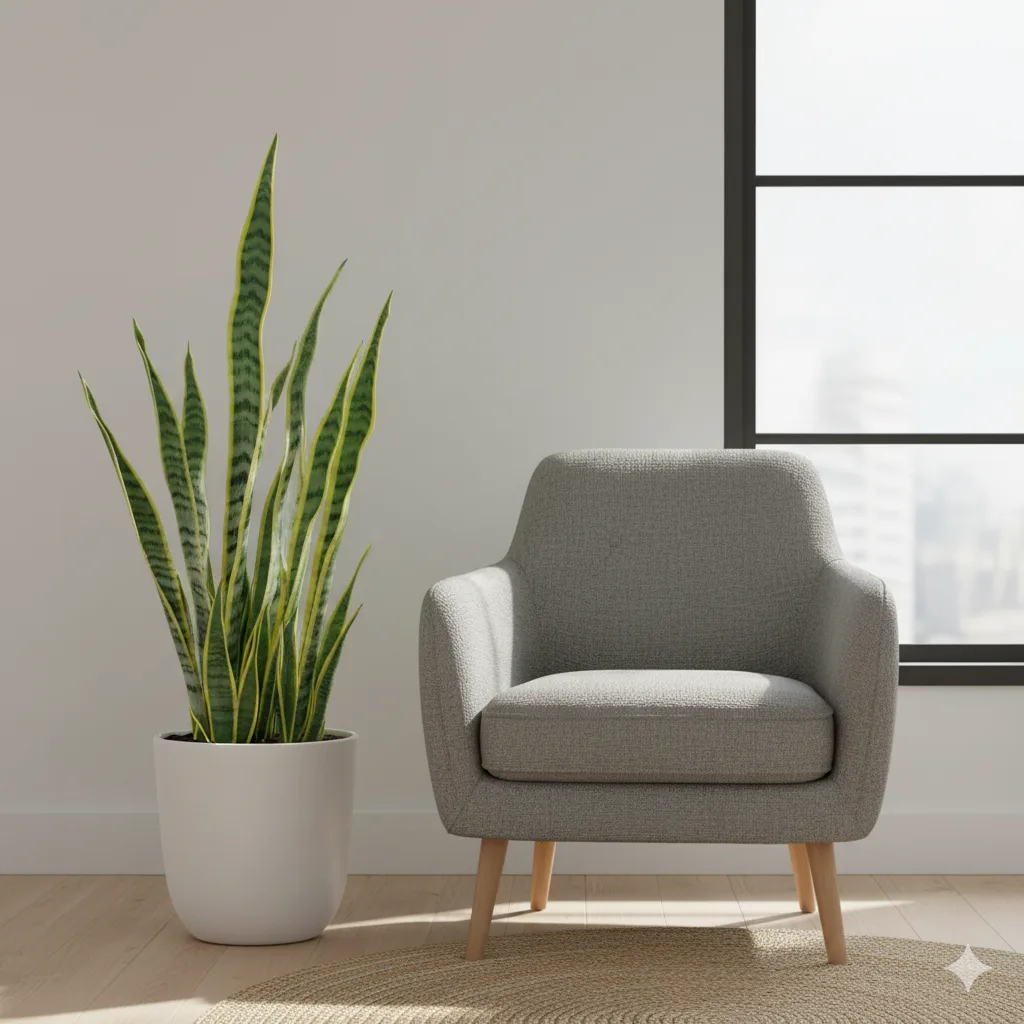
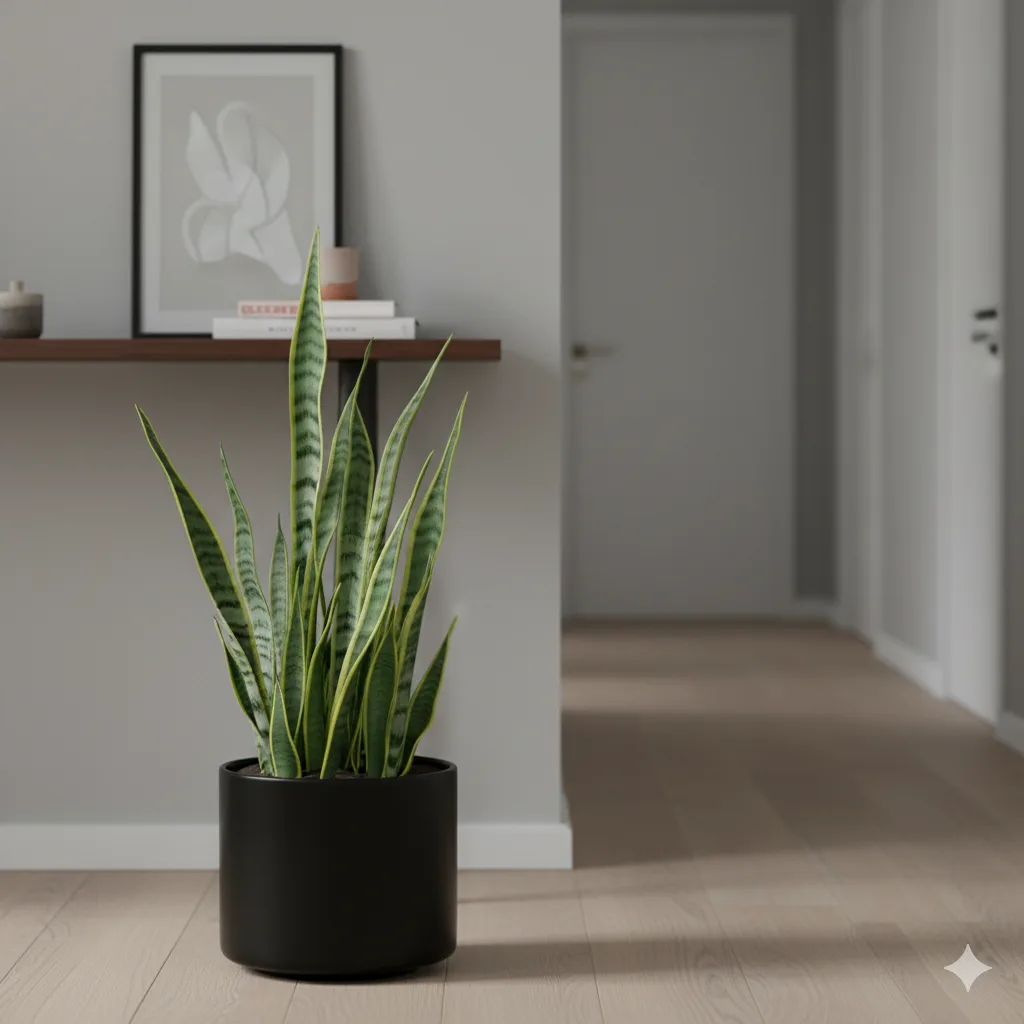
1. Snake Plant (Sansevieria trifasciata)
The Snake Plant , also called Mother-in-Law’s Tongue , is one of the best house plants for beginners because it’s practically unkillable. Its tall, sword-like leaves have striking green and yellow bands that add height and color to any room. This hardy plant tolerates low light, dry air, and irregular watering — it’s about as low-maintenance as plants get.
Native to West Africa, Snake Plants are used to hot, dry climates and can store moisture in their thick leaves. Indoors, they thrive in almost any lighting — from sunny windows to dim corners. They’re also one of the best plants for beginners indoor who want something that looks modern and stays upright with minimal effort.
Beyond their looks, Snake Plants clean indoor air by filtering toxins like formaldehyde, benzene, and xylene. They release oxygen at night, making them great for bedrooms or small apartments.
Styling Tip: The Snake Plant’s tall, vertical lines make it perfect for corners or beside furniture where you need contrast. Try pairing it with neutral pots — matte gray, white, or terracotta — for a sleek, modern look.
Beginner Mistake to Avoid: Overwatering. The Snake Plant’s roots rot easily in soggy soil. Always let the soil dry completely before watering again. A moisture meter or finger test can help.
Why It’s Great for Beginners: This plant thrives on neglect. Even if you forget to water it for weeks, it will keep growing strong. It’s ideal for offices, dorms, or homes with inconsistent light.
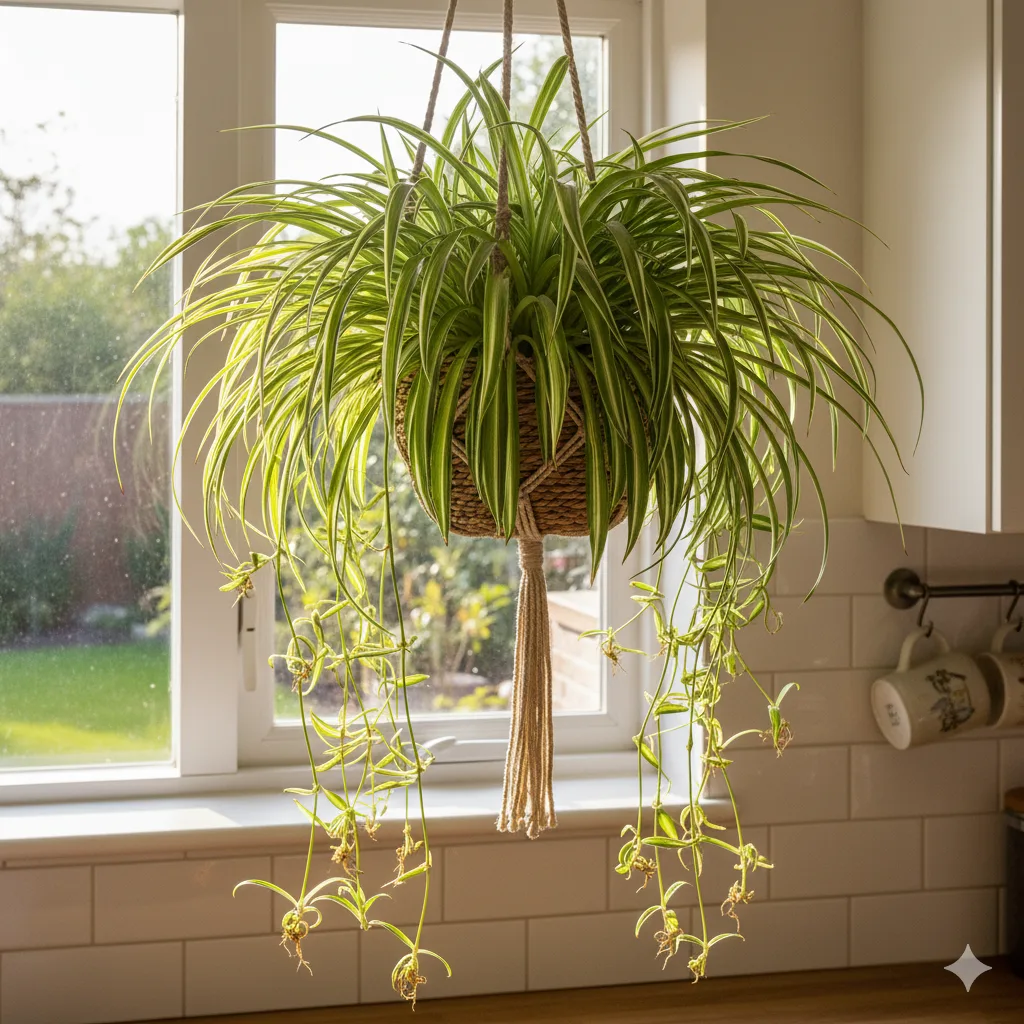
2. Spider Plant (Chlorophytum comosum)
The cheerful Spider Plant is a top choice for anyone new to indoor gardening. Its long, arching green-and-white striped leaves bring a sense of movement and freshness to any space. It’s one of the best indoor plants for beginners low light , thriving even in shaded rooms or under artificial lighting.
Spider Plants are fast growers and extremely adaptable. They prefer bright, indirect light but can handle less if needed. They’re also pet-safe and non-toxic, making them a great choice for homes with cats or dogs. One of the plant’s best features is its “babies” — small plantlets that grow at the tips of long stems. You can easily snip them off and root them in water, making this one of the best plants for beginners to grow and multiply.
Styling Tip: Spider Plants look best when their leaves can hang freely. Hang them near a sunny window, or place them on a high shelf where their graceful leaves can spill over the edge.
Beginner Mistake to Avoid: Using tap water that’s high in minerals or chlorine. This can cause brown tips on the leaves. Use filtered or rainwater when possible.
Why It’s Great for Beginners: Spider Plants grow fast, recover quickly from stress, and propagate easily. They forgive most mistakes — you can trim damaged leaves, adjust lighting, and they’ll bounce back in no time.
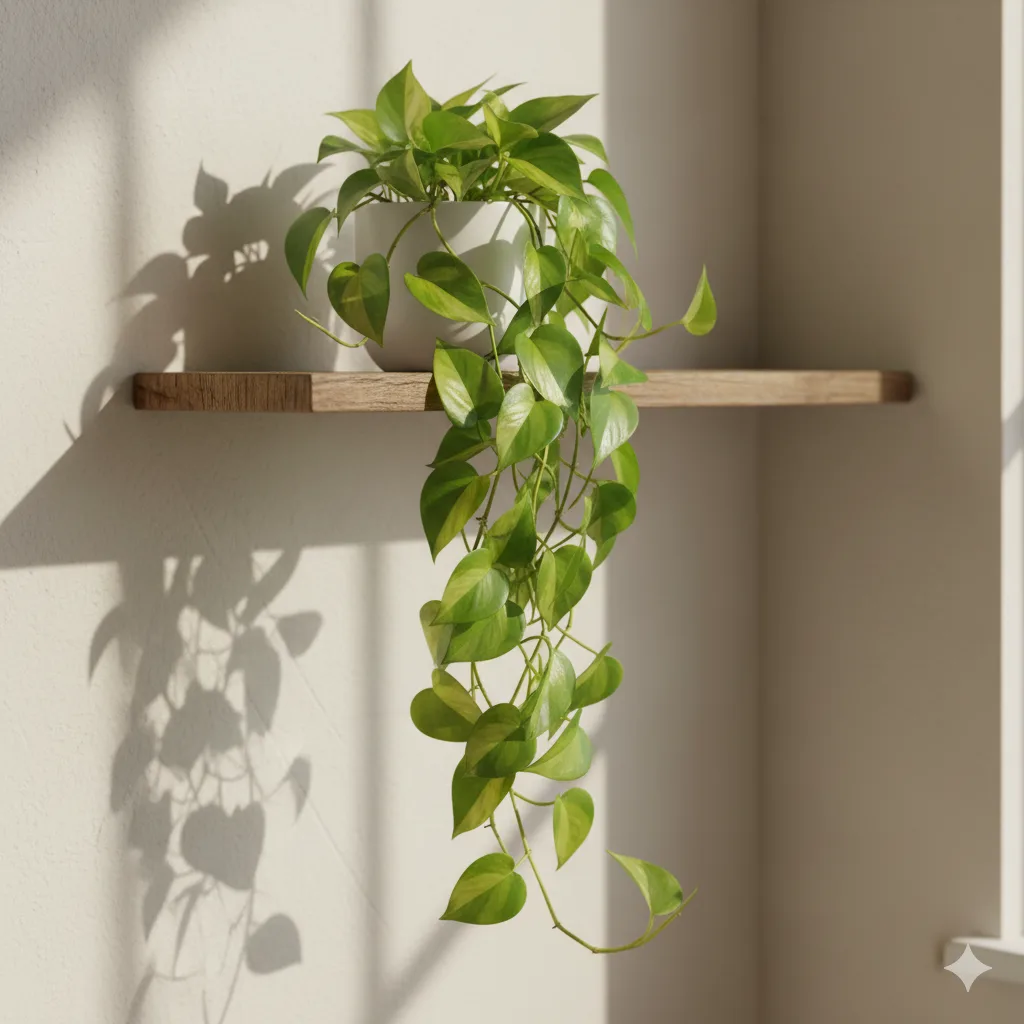
3. Pothos (Epipremnum aureum)
If you want a plant that grows fast and looks lush, go for the Pothos , also known as Devil’s Ivy. It’s one of the best plants for beginners indoor because it grows well in almost any environment — low light, bright light, warm or cool rooms. Pothos vines can stretch for several feet, creating a tropical, jungle-like feel indoors.
Pothos thrives in regular potting soil, but you can also grow it in just water. It’s tolerant of irregular watering, meaning you can skip a week or two without much consequence. There are several varieties, from the bright green Golden Pothos to the silver-speckled Satin Pothos , all easy to maintain.
For anyone experimenting with small home gardens or hydroponics, this plant is an ideal start — one of the best plants for beginners to start an indoor garden that feels instantly rewarding.
Styling Tip: Let your Pothos trail from a hanging pot, across a bookshelf, or climb a support pole for a lush vertical look. Its trailing vines soften corners and make rooms feel cozy.
Beginner Mistake to Avoid: Placing it in direct sunlight. Too much sun burns the leaves, while very low light slows its growth. Keep it in gentle, indirect light for steady growth.
Why It’s Great for Beginners: It’s one of the fastest-growing indoor plants and visibly shows progress, which keeps beginners encouraged. It’s also easy to propagate by cutting a stem and placing it in water — new roots form within days.
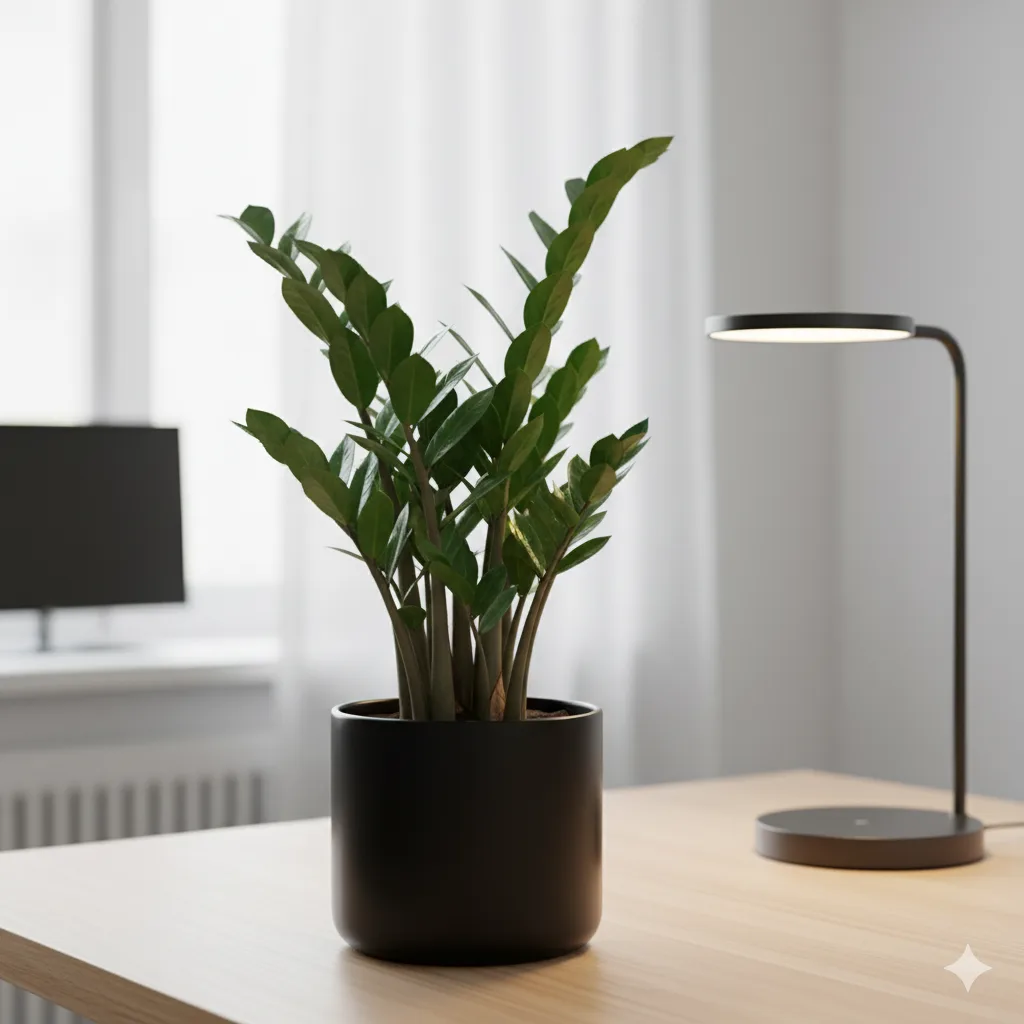
4. ZZ Plant (Zamioculcas zamiifolia)
The ZZ Plant is practically indestructible — a go-to for anyone who’s struggled to keep plants alive. With glossy, dark green leaves and thick stems that store water, it’s designed for low effort. It’s one of the best plants for beginners low light and ideal for offices, apartments, and shaded corners where other plants struggle.
Native to East Africa, this plant evolved to withstand drought and poor soil. Indoors, it asks for very little: a bit of light, occasional water, and patience. It grows slowly but steadily, producing shiny, symmetrical leaves that make any space look polished.
Styling Tip: The ZZ Plant’s deep green color pairs beautifully with neutral décor. Use it as an accent piece on desks, nightstands, or entry tables. For modern interiors, plant it in a matte black or minimalist pot.
Beginner Mistake to Avoid: Overwatering. The ZZ Plant’s underground tubers store moisture, so watering too often causes rot. Water only when the soil is fully dry — usually every two to three weeks.
Why It’s Great for Beginners: It tolerates neglect, low light, dry air, and inconsistent watering. You could forget about it for a month and it would still look pristine. It’s one of the easiest, most reliable plants for busy people or low-light homes.
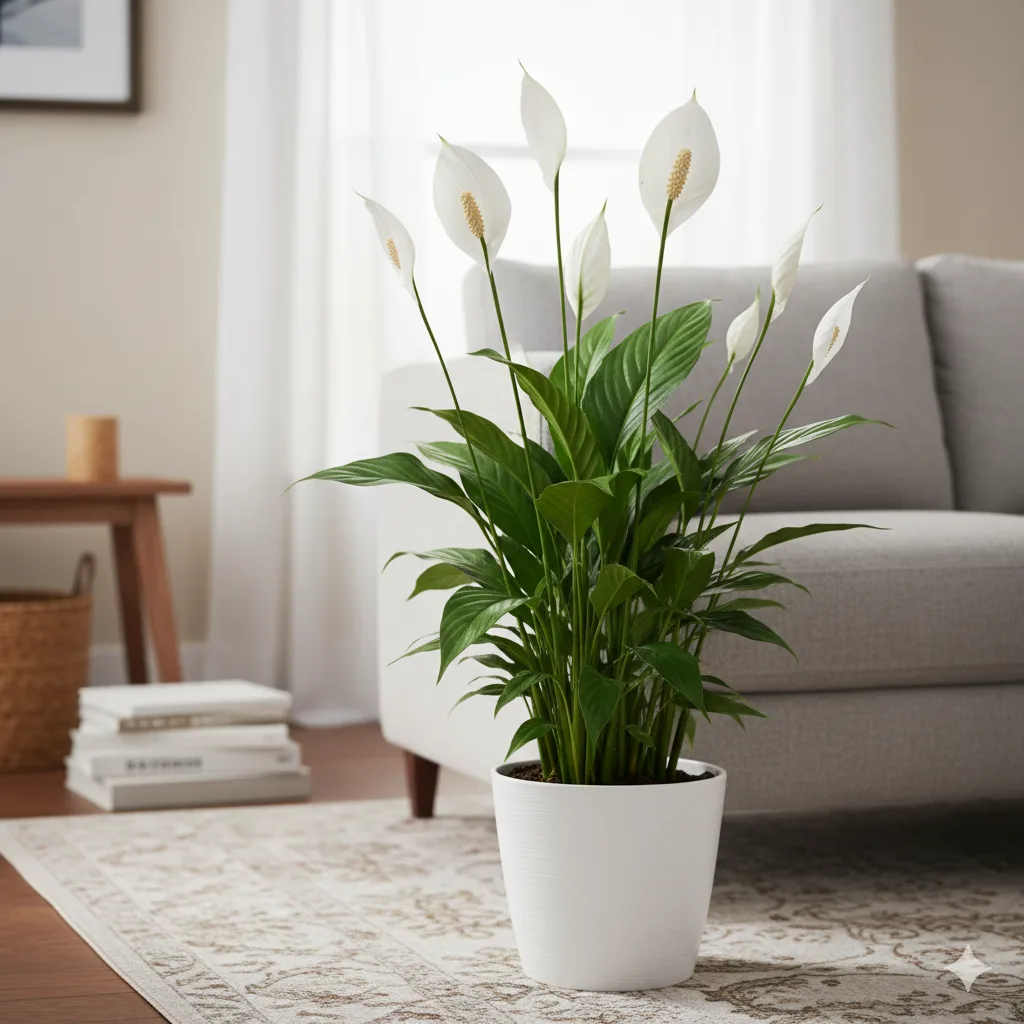
5. Peace Lily (Spathiphyllum)
The Peace Lily is elegant, forgiving, and one of the most rewarding best house plants for beginners. Its lush green leaves and distinctive white blooms instantly freshen any room. It’s a tropical plant, but it doesn’t demand tropical conditions — just a bit of care and attention.
Peace Lilies prefer filtered light and slightly moist soil. They can tolerate low light, though you’ll see more blooms in brighter conditions. This makes them excellent choices for bedrooms, living rooms, or even offices with moderate lighting.
Styling Tip: Peace Lilies look stunning in bright white or ceramic pots that highlight their glossy green leaves and white flowers. Place them on a side table or near a window for a touch of calm elegance.
Beginner Mistake to Avoid: Overwatering. It’s tempting to keep the soil constantly wet, but that leads to root rot. Let the top inch of soil dry before watering again.
Why It’s Great for Beginners: Peace Lilies signal when they’re thirsty by drooping slightly — a visual cue that helps you learn when to water. Once hydrated, they perk right back up. They also purify indoor air, making your home healthier.
6. Aloe Vera (Aloe barbadensis miller)
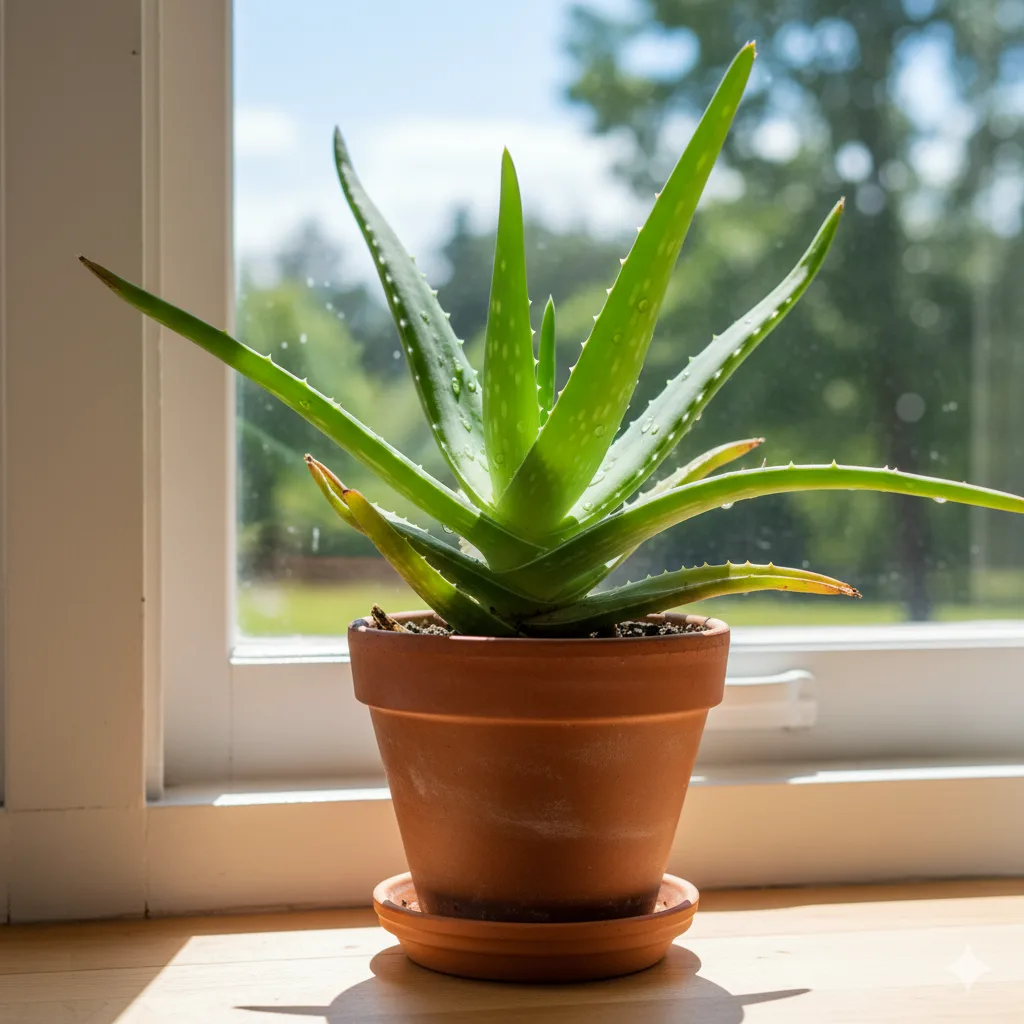
The Aloe Vera is both a useful and resilient plant, perfect for those new to indoor gardening. Known for its healing gel, it’s one of the best plants for beginners to grow that also doubles as a natural first-aid remedy for burns and dry skin.
Aloe thrives in sunny windowsills and doesn’t need much water. It’s a succulent, so it stores water in its thick, fleshy leaves. You can water it every few weeks, and it will stay happy.
Styling Tip: Place Aloe Vera in a terracotta pot on a sunny windowsill or countertop. Its spiky, geometric shape adds a modern, natural accent to kitchens and bathrooms.
Beginner Mistake to Avoid: Overwatering or using a pot without drainage. The roots rot easily in wet soil. Always let the soil dry completely between waterings.
Why It’s Great for Beginners: It’s both decorative and functional. It tolerates neglect, grows quickly, and the leaves can be harvested for skincare — making it one of the best plants for beginners indoor with a practical twist.
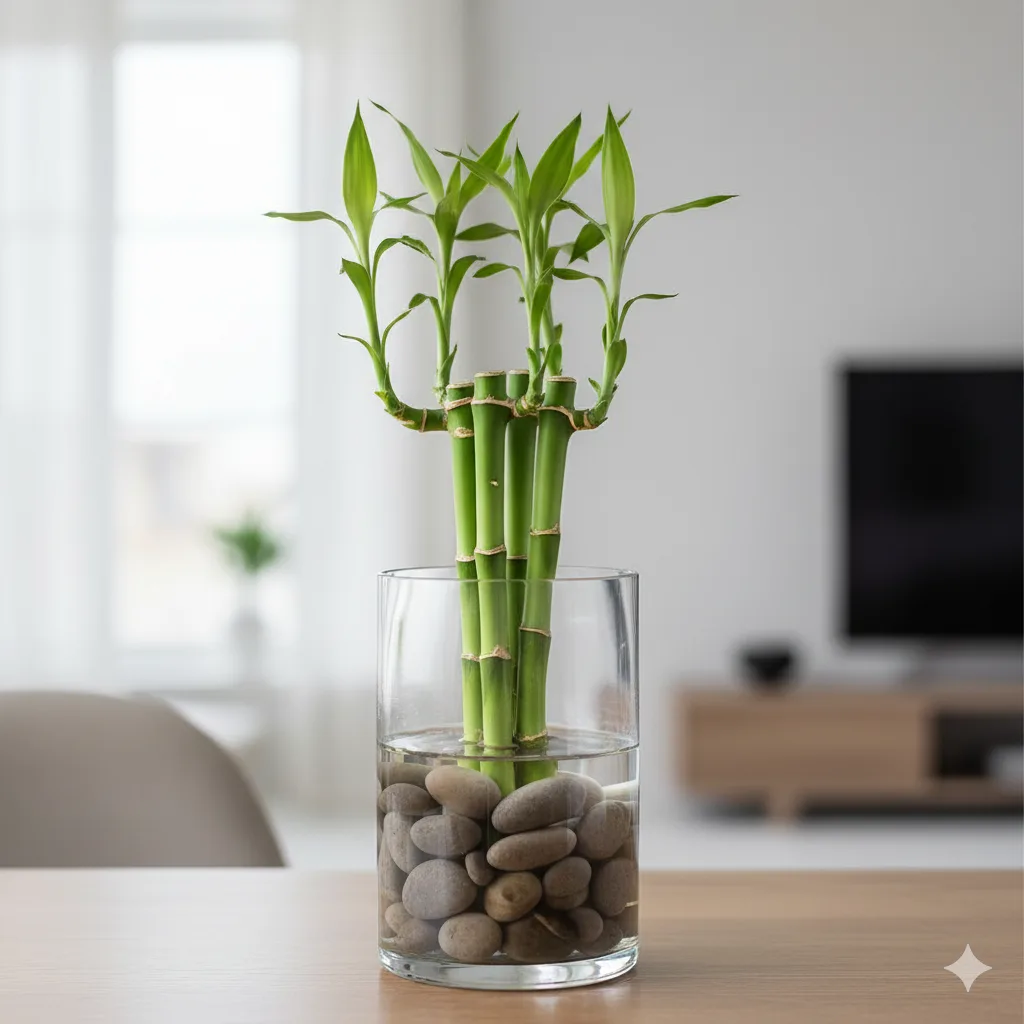
7. Lucky Bamboo (Dracaena sanderiana)
Lucky Bamboo is a plant that’s easy to love — and even easier to care for. Despite its name, it’s not a true bamboo but a resilient Dracaena. It’s known for bringing good fortune and positive energy, making it one of the best plants for beginners indoor and a common gift for new homeowners.
It can grow in water or soil, which makes it versatile. In water, simply change the water every two weeks. In soil, keep it moist but not soggy. It thrives in indirect light and can even survive in fluorescent lighting, making it perfect for offices.
Styling Tip: Arrange several Lucky Bamboo stalks in a glass vase filled with decorative stones or marbles. It makes a clean, elegant centerpiece for desks or tabletops.
Beginner Mistake to Avoid: Using tap water high in chlorine or fluoride, which can cause yellowing leaves. Filtered or bottled water is best.
Why It’s Great for Beginners: It’s almost impossible to kill, grows well in low light, and looks beautiful in both homes and offices. Plus, it adds a calm, minimalist feel to any setting.
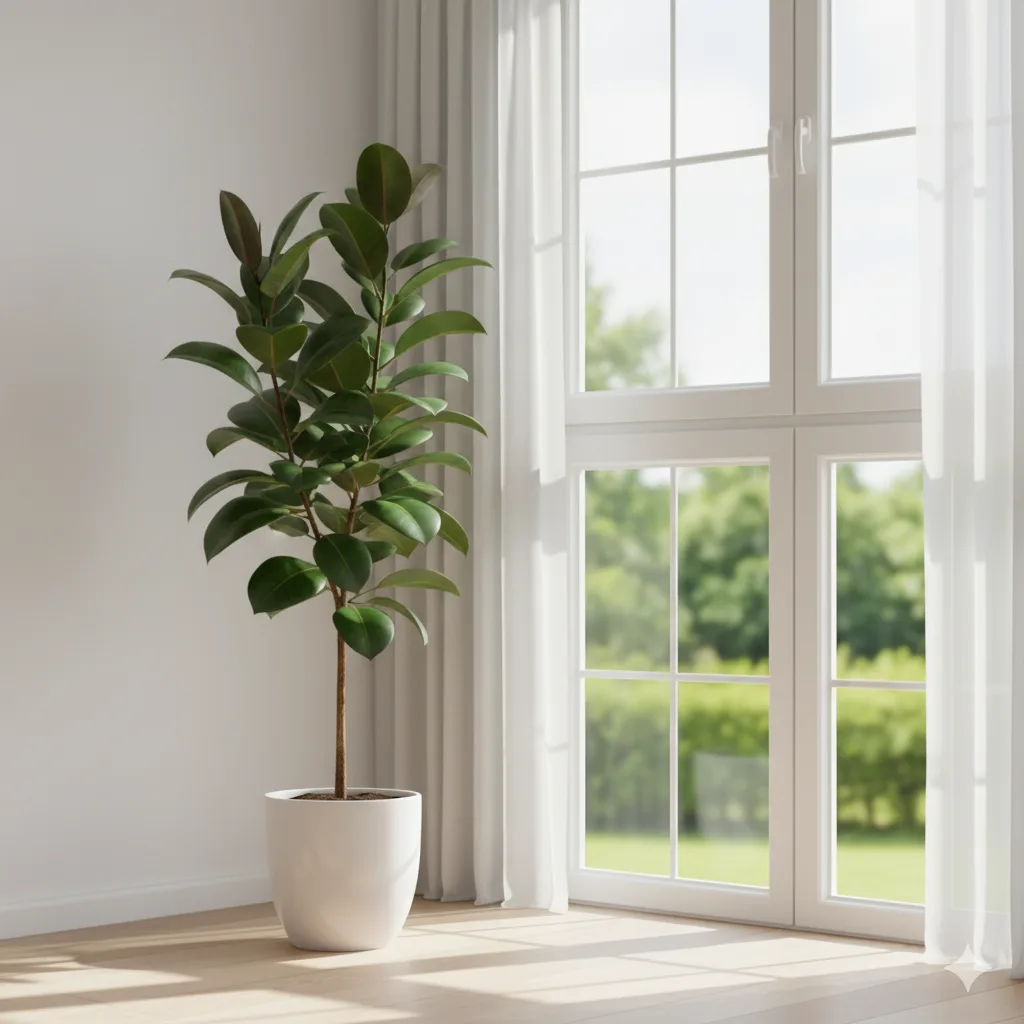
8. Rubber Plant (Ficus elastica)
The Rubber Plant brings bold, glossy foliage and an instant tropical touch to any home. It’s a classic choice for anyone looking for the best plants for beginners indoor that make a statement. Its thick, deep green leaves — sometimes with burgundy tones — give it a dramatic, sculptural look.
Rubber Plants prefer bright, indirect light and moderate watering. They like their soil to dry slightly between waterings. In time, they can grow into impressive indoor trees if you repot them as they mature.
Styling Tip: Place your Rubber Plant in a large ceramic or fiber pot on the floor to create height and a modern focal point. The dark leaves pair beautifully with neutral or minimalist interiors.
Beginner Mistake to Avoid: Moving it around too often. Rubber Plants like consistency — frequent changes in light or temperature can cause leaf drop.
Why It’s Great for Beginners: It grows fast when happy, helping new plant owners feel rewarded quickly. It also tolerates short dry spells and occasional missed waterings.
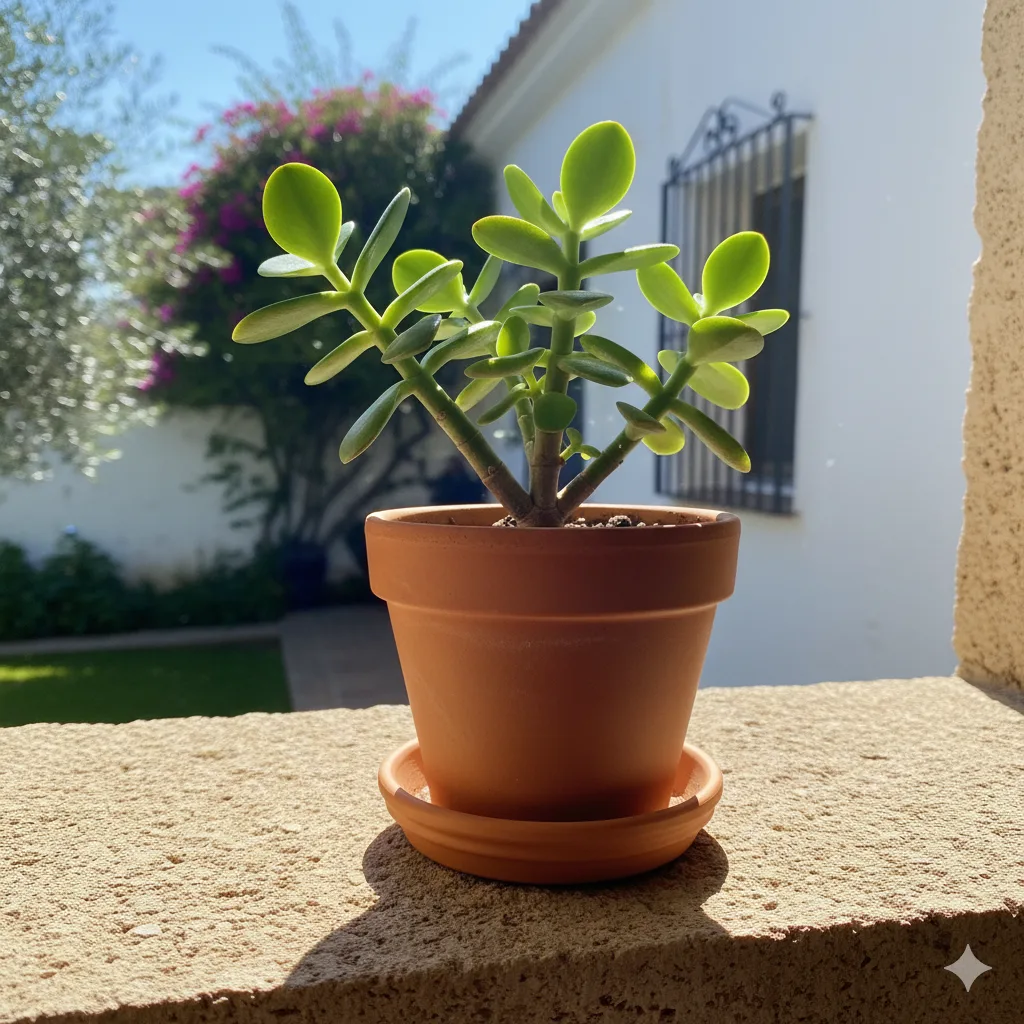
9. Jade Plant (Crassula ovata)
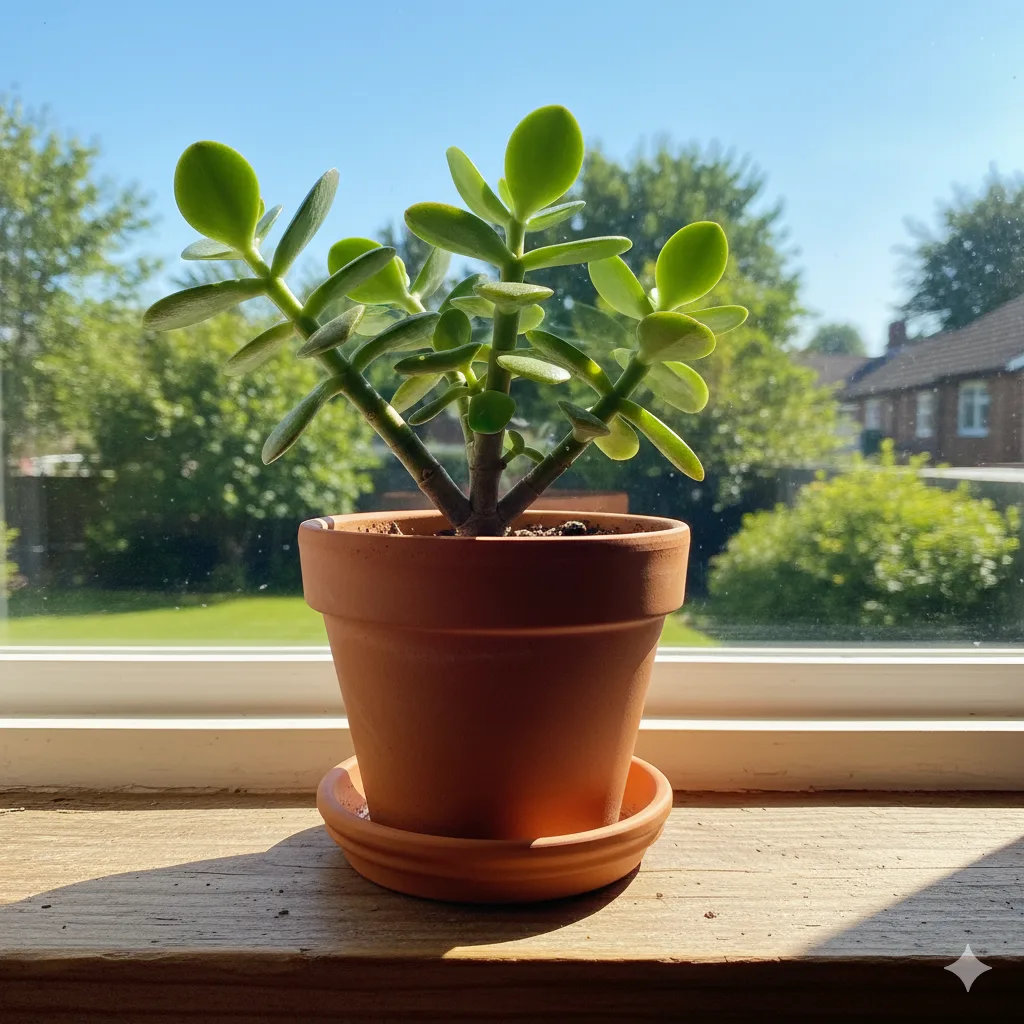
The Jade Plant , also known as the Money Plant , is a symbol of luck and prosperity. It’s one of the best house plants for beginners who want something compact, hardy, and visually appealing. With thick, oval leaves that store water, it’s a true succulent — built for busy people and dry homes.
It loves bright light, so a sunny windowsill is ideal. Water sparingly and use a well-drained potting mix. If you take care of it, a Jade Plant can live for decades and even be passed down through generations.
Styling Tip: Its tree-like structure and shiny leaves make it perfect for tabletops or windowsills. Pair it with a simple clay or ceramic pot to let its natural shape stand out.
Beginner Mistake to Avoid: Overwatering. The Jade Plant is drought-tolerant and needs very little moisture. Always ensure the pot drains well.
Why It’s Great for Beginners: It’s tough, long-living, and forgiving. You can skip watering for weeks, and it will still thrive — a great introduction to succulent care.
10. Chinese Evergreen (Aglaonema)
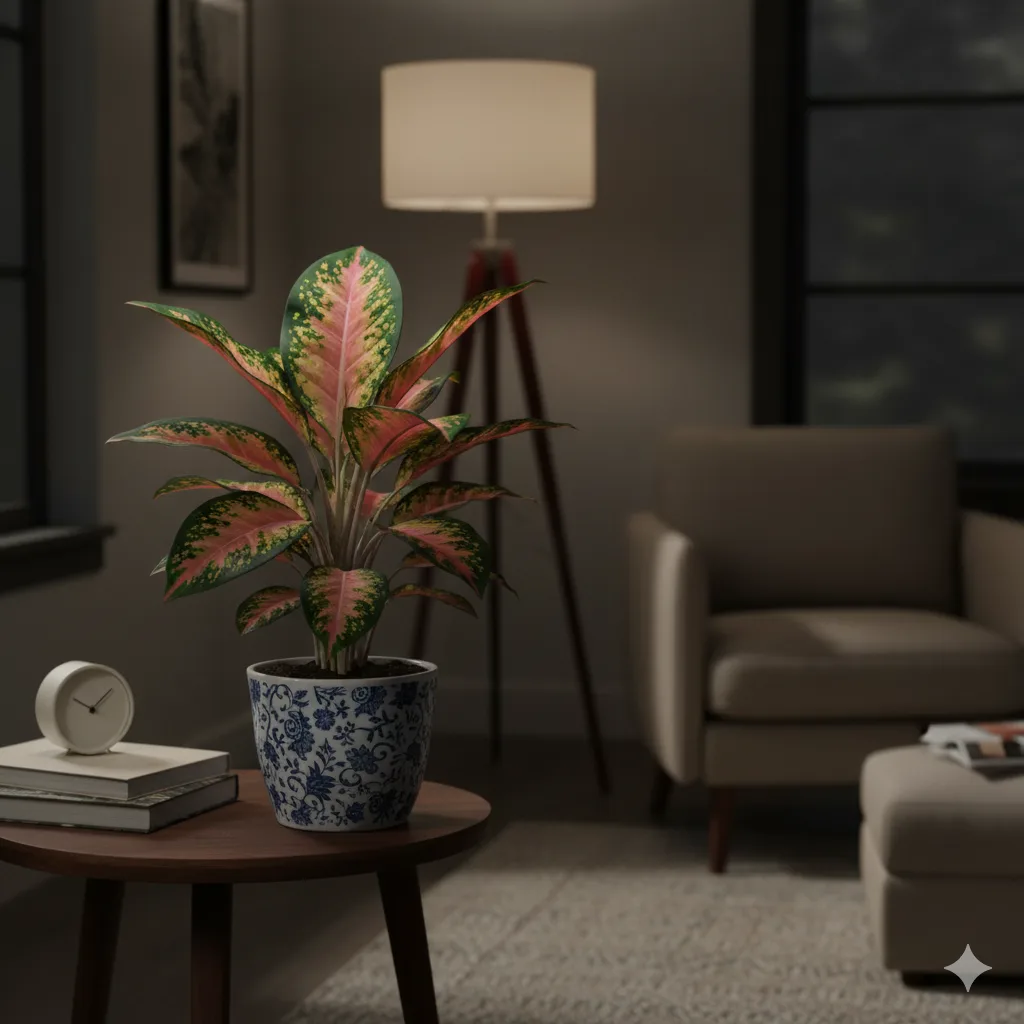
The Chinese Evergreen is one of the best indoor plants for beginners low light , prized for its colorful leaves that can feature shades of green, silver, pink, or red. It’s one of those rare plants that actually enjoys dim corners, making it a favorite for homes or offices with limited sunlight.
This tropical beauty grows slowly but steadily. It prefers evenly moist soil but will forgive you if you miss a watering or two. It can even thrive under fluorescent lighting, which makes it ideal for beginners starting an indoor garden in low-light spaces.
Styling Tip: Place your Chinese Evergreen in a ceramic pot that complements its colorful leaves. It adds a soft pop of color to neutral interiors — great for bedrooms or offices.
Beginner Mistake to Avoid: Overwatering. Chinese Evergreens like slightly moist soil, not soggy roots. Always check that the top inch of soil is dry before watering again.
Why It’s Great for Beginners: It’s low maintenance, survives in shade, and adds vibrant color without the need for bright light. Perfect for anyone wanting greenery without hassle.
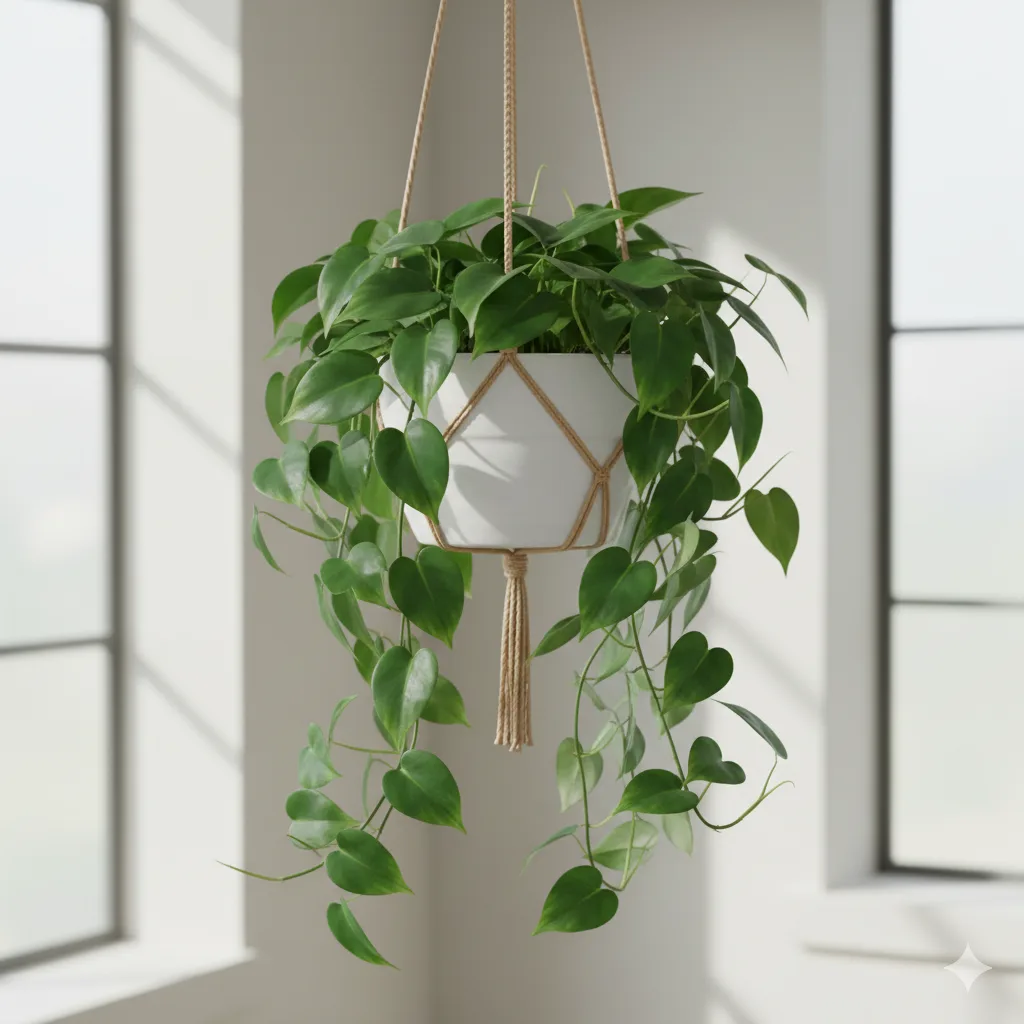
11. Philodendron (Heartleaf Philodendron)
The Heartleaf Philodendron is one of the easiest and most adaptable houseplants you can own. It’s known for its lush, heart-shaped leaves that trail beautifully from pots or hanging baskets. It’s a close cousin to Pothos and just as forgiving — a staple among the best house plants for beginners.
It thrives in indirect light but also grows well in shade. Water it when the top layer of soil dries out, and it will reward you with steady, graceful growth. Its trailing vines can grow several feet long indoors, giving your space a soft, jungle-like feel.
Styling Tip: Let your Philodendron cascade from a hanging pot or climb a small moss pole. It adds a natural, flowing touch to shelves and window ledges.
Beginner Mistake to Avoid: Exposing it to direct sunlight. The leaves burn easily, turning yellow or brown. Keep it in indirect light for the best color and growth.
Why It’s Great for Beginners: It’s fast-growing and bounces back quickly from underwatering or low light. A simple trim keeps it looking lush all year round.
12. Cast Iron Plant (Aspidistra elatior)
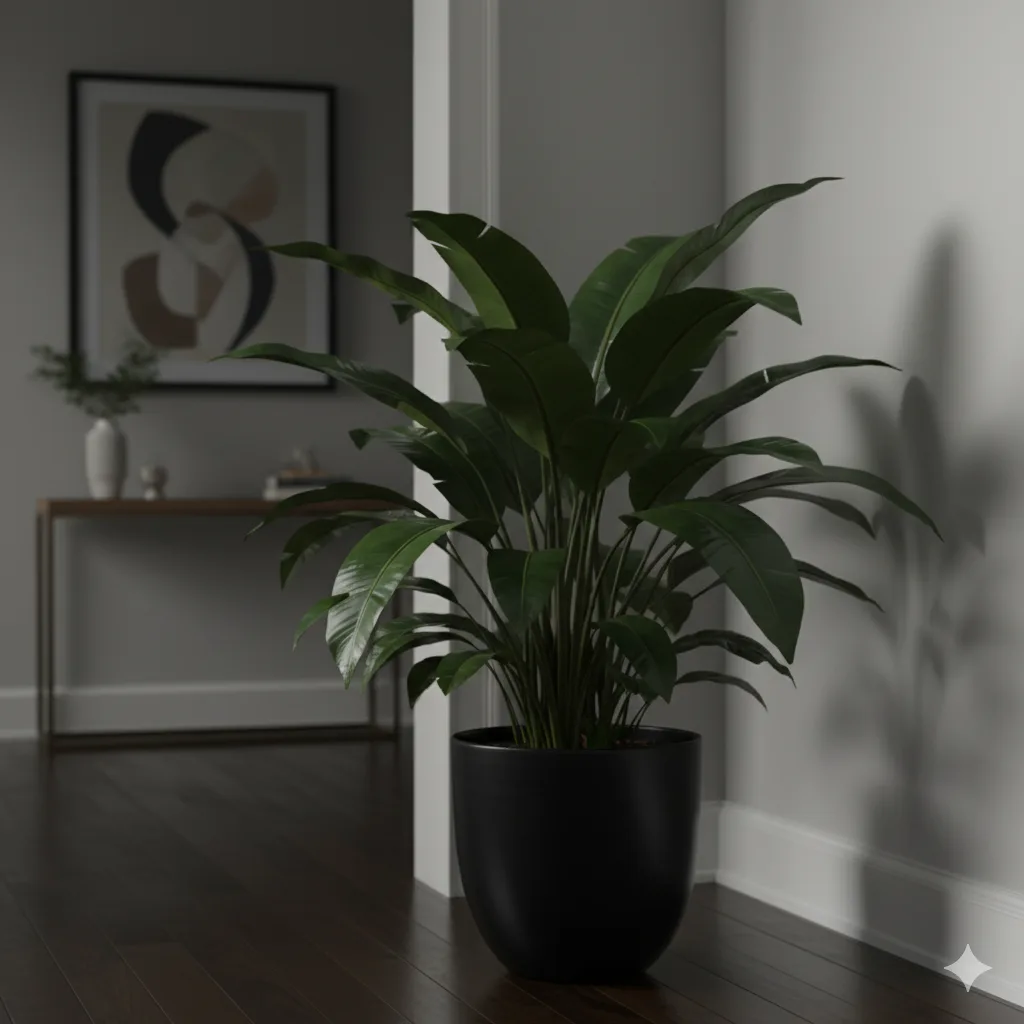
As its name suggests, the Cast Iron Plant is nearly indestructible. It earned its reputation by thriving in dim light, temperature changes, and inconsistent care. If you’re new to plant care or have a room with little natural light, this is one of the best plants for beginners indoor to start with.
Its long, dark green leaves grow upright, giving it a structured, elegant look. It grows slowly but lasts for years — even decades — with minimal attention. It’s also resistant to most pests, making it a no-stress choice for beginners.
Styling Tip: Use the Cast Iron Plant to add greenery to hallways, corners, or bathrooms where light is scarce. Its deep green leaves pair well with modern or classic interiors.
Beginner Mistake to Avoid: Overwatering. This plant prefers to stay on the drier side. Allow the top two inches of soil to dry before watering again.
Why It’s Great for Beginners: It’s almost impossible to kill. It survives low light, infrequent watering, and fluctuating temperatures — a true confidence booster for first-time plant owners.
13. Monstera Deliciosa (Swiss Cheese Plant)
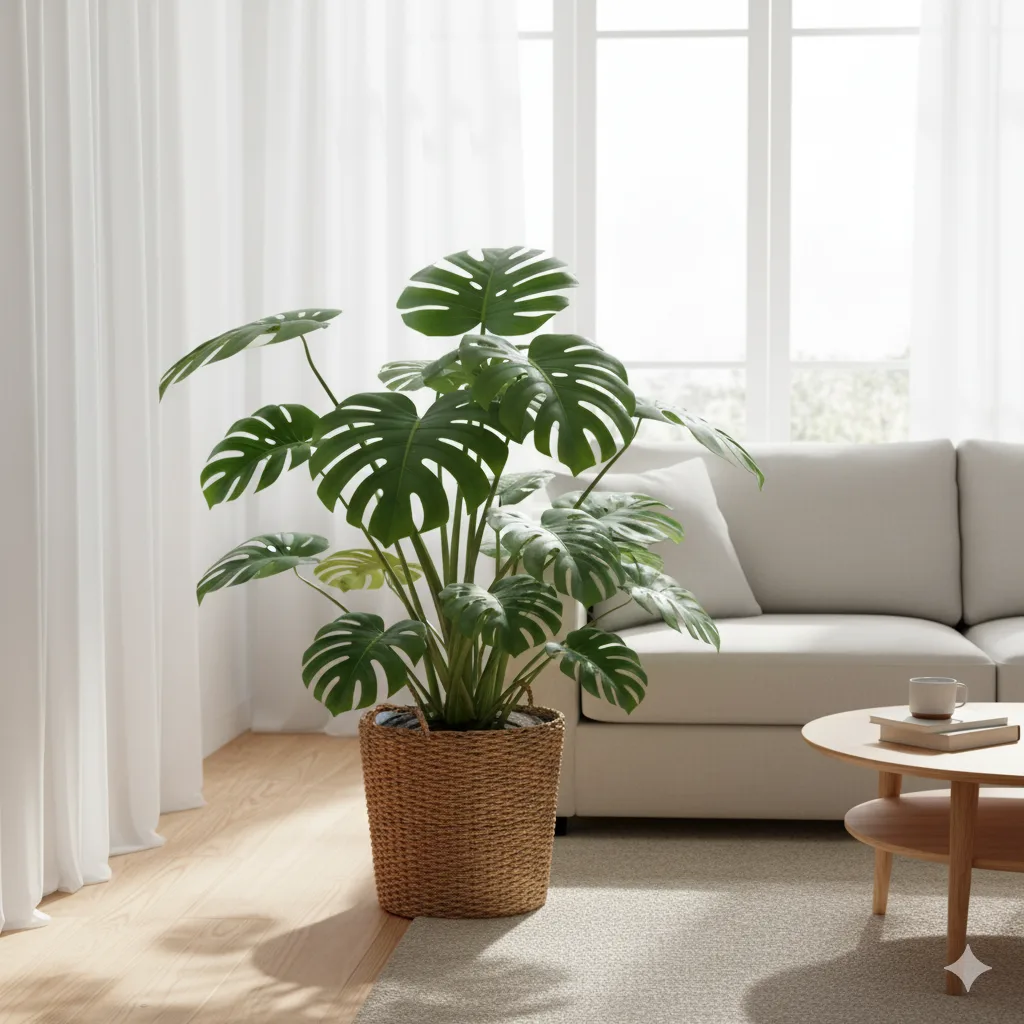
The Monstera Deliciosa is one of the most popular houseplants worldwide — and surprisingly, one of the best plants for beginners indoor too. Its large, glossy leaves develop unique natural splits as it matures, giving it its nickname, the Swiss Cheese Plant.
Monsteras grow quickly in bright, indirect light but also tolerate moderate shade. They love a little humidity, making them ideal for living rooms or kitchens. Water once a week during the growing season and reduce in winter. With minimal effort, you’ll see dramatic, beautiful growth.
Styling Tip: Place your Monstera in a woven basket or modern planter to highlight its tropical shape. Let it climb a moss pole to support its large leaves and help it grow upright.
Beginner Mistake to Avoid: Placing it in direct sun. Too much sun burns the leaves, while too little causes them to lose their signature splits.
Why It’s Great for Beginners: It’s forgiving, fast-growing, and visually striking. Even small changes in care — like better light or occasional feeding — result in noticeable, rewarding growth.
14. Parlor Palm (Chamaedorea elegans)
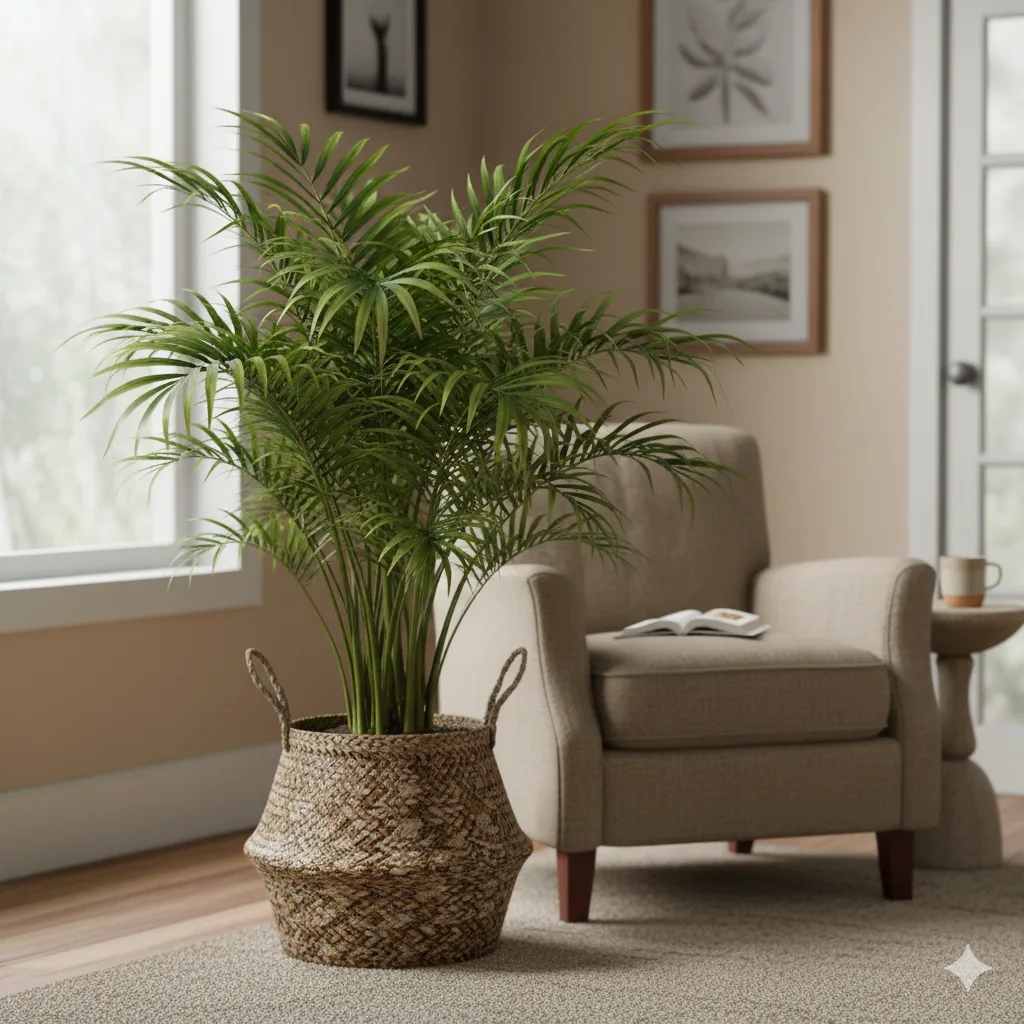
If you want a classic, elegant plant that stays compact, the Parlor Palm is ideal. It’s been popular for more than a century and remains one of the best plants for beginners indoor thanks to its easy nature and graceful, feathery fronds.
Parlor Palms grow well in low to moderate light, making them suitable for corners, offices, or bedrooms. They don’t need frequent watering — just keep the soil slightly moist. Their tropical appearance adds a calm, natural vibe to any space.
Styling Tip: Display the Parlor Palm in a decorative pot or basket to bring a touch of greenery to your living space. It pairs well with other tropical plants for a layered, lush look.
Beginner Mistake to Avoid: Placing it near air vents or drafts. Cold or dry air can brown the tips of the fronds.
Why It’s Great for Beginners: It’s non-toxic, low maintenance, and grows slowly, so you won’t have to repot it often. It’s a perfect starter palm that stays small and beautiful for years.
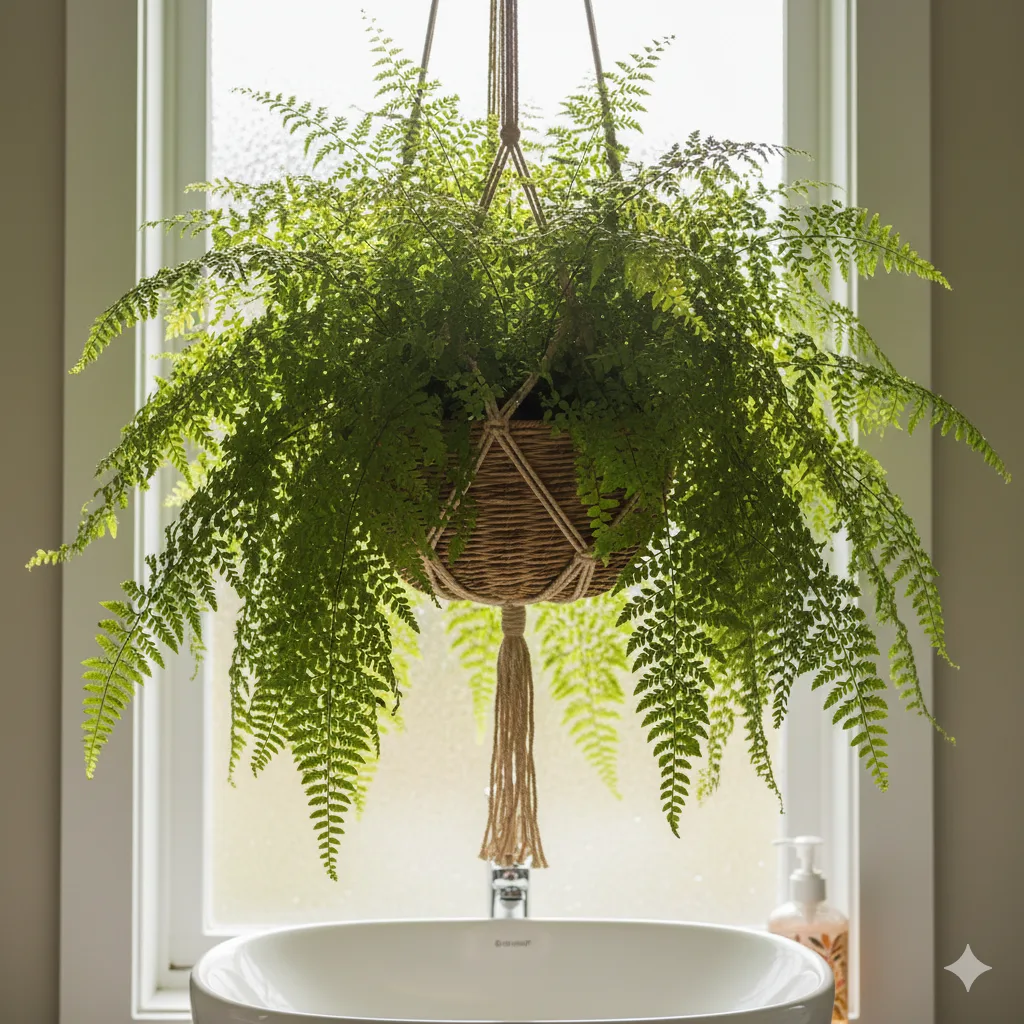
15. Boston Fern (Nephrolepis exaltata)
The Boston Fern is lush, elegant, and one of the most recognizable indoor ferns. Its bright green, feathery fronds spill gracefully from pots or hanging baskets, adding instant softness to any room. It’s especially suited for bathrooms or kitchens, where humidity keeps it happy.
Boston Ferns prefer consistent moisture — they like their soil to stay slightly damp, not soggy. They thrive in bright, indirect light but will tolerate some shade. If you live in a dry home, mist the leaves occasionally or use a humidifier nearby.
Styling Tip: Hang your Boston Fern in a basket near a bright window or place it on a plant stand to let its fronds cascade beautifully. It pairs perfectly with rustic, coastal, or vintage decor.
Beginner Mistake to Avoid: Letting the air get too dry. Ferns dislike low humidity. If the fronds start to brown, increase misting or move the plant to a more humid space.
Why It’s Great for Beginners: It’s forgiving and bounces back easily from mild neglect. It’s also one of the best natural air purifiers for indoor spaces, making it both practical and decorative.
16. Snake Plant ‘Moonshine’ (Sansevieria trifasciata ‘Moonshine’)
The Snake Plant ‘Moonshine’ is a silvery-green cousin of the traditional Snake Plant. Its broad, smooth leaves give off a soft sheen, bringing a modern, minimalist vibe to any space. Like its relative, it’s one of the best plants for beginners indoor who want something striking yet effortless.
This variety thrives on neglect and can handle low light, infrequent watering, and dry indoor air. It’s ideal for people who travel or forget to water regularly.
Styling Tip: Use a tall, narrow pot to highlight the plant’s upright shape. Its pale silvery leaves look stunning against dark walls or furniture.
Beginner Mistake to Avoid: Overwatering or using pots without drainage holes. Too much moisture is its only weakness.
Why It’s Great for Beginners: It combines beauty and toughness — thrives in nearly any environment and adds visual contrast to your plant collection with minimal care.
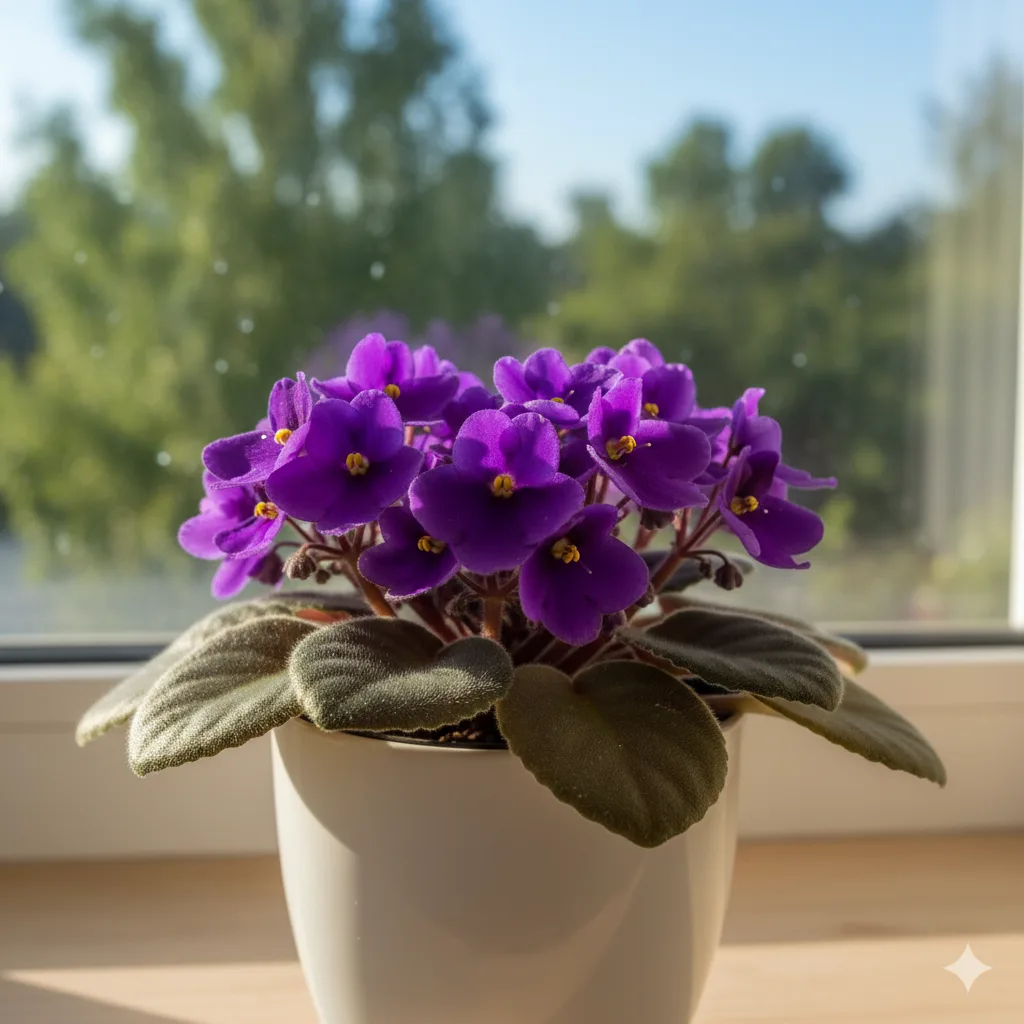
17. African Violet (Saintpaulia)
The African Violet is small but eye-catching, famous for its soft, fuzzy leaves and colorful blooms that appear year-round. It’s one of the best plants for beginners to start an indoor garden if you want to enjoy flowers without high maintenance.
It prefers bright, indirect light and evenly moist soil. Water it from the bottom — by filling a saucer and letting the roots absorb water — to avoid spotting the leaves. With the right conditions, African Violets can bloom several times a year.
Styling Tip: Display African Violets in decorative ceramic pots on windowsills, desks, or kitchen counters. Group different colors together for a vibrant, cheerful look.
Beginner Mistake to Avoid: Getting water on the leaves. This causes brown spots. Always water from below and avoid cold water.
Why It’s Great for Beginners: It’s compact, blooms easily, and shows clear signs of what it needs — if it’s drooping, it’s thirsty; if it’s not blooming, it needs more light. Perfect for learning plant care basics.
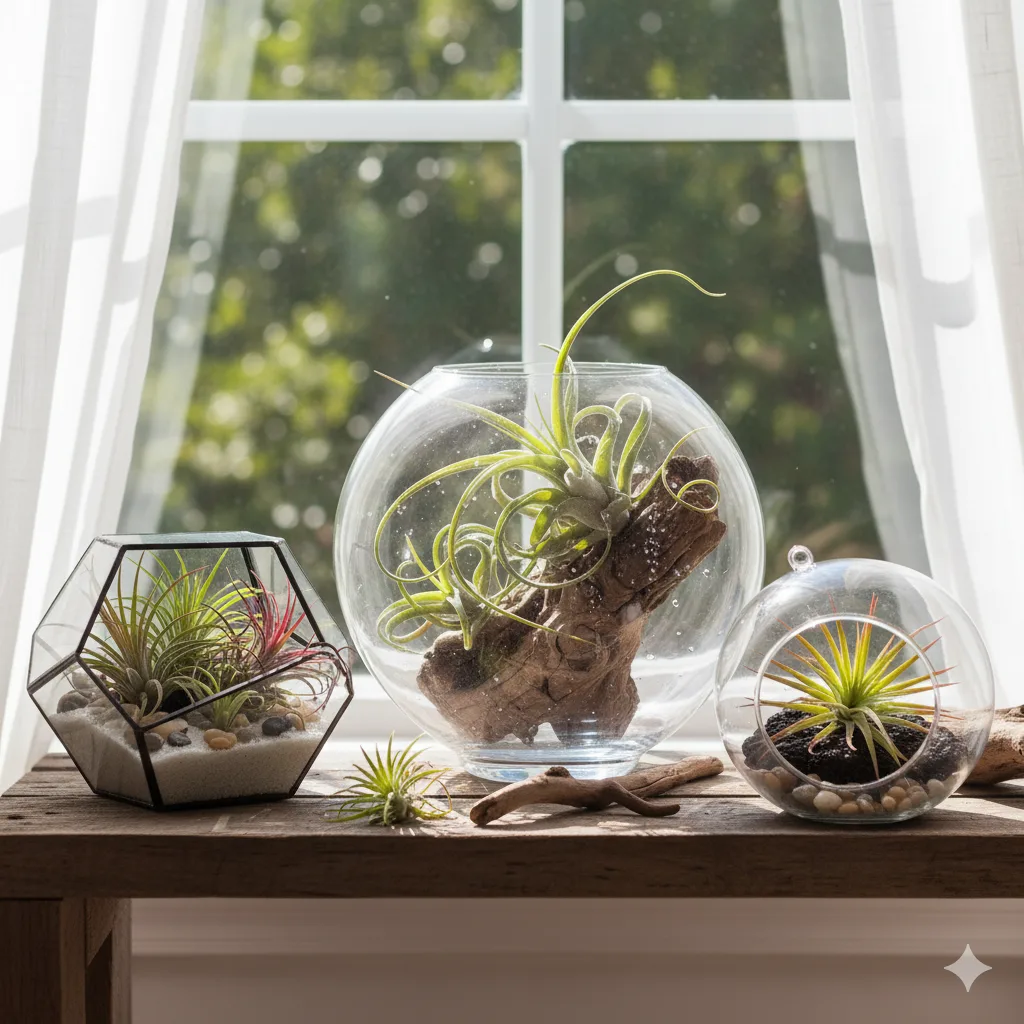
18. Air Plants (Tillandsia)
If you want a plant that doesn’t need soil, meet the Air Plant. These fascinating little plants absorb moisture and nutrients directly from the air through their leaves. They’re among the best terrarium plants for beginners and perfect for people who want something low-commitment and decorative.
Air Plants thrive in bright, indirect light and prefer weekly misting or a brief soak in water every 7–10 days. They come in many shapes and sizes, from spiky to curly, and can be displayed almost anywhere — even hanging upside down.
Styling Tip: Place Air Plants in glass terrariums, seashells, or mounted on driftwood for a creative, modern look. They’re great conversation starters and fit small spaces beautifully.
Beginner Mistake to Avoid: Forgetting to let them dry after watering. Excess water trapped between leaves can cause rot. Shake them gently and air-dry upside down after soaking.
Why It’s Great for Beginners: No soil, no mess, and minimal care. They’re small, adaptable, and perfect for people short on time or space.
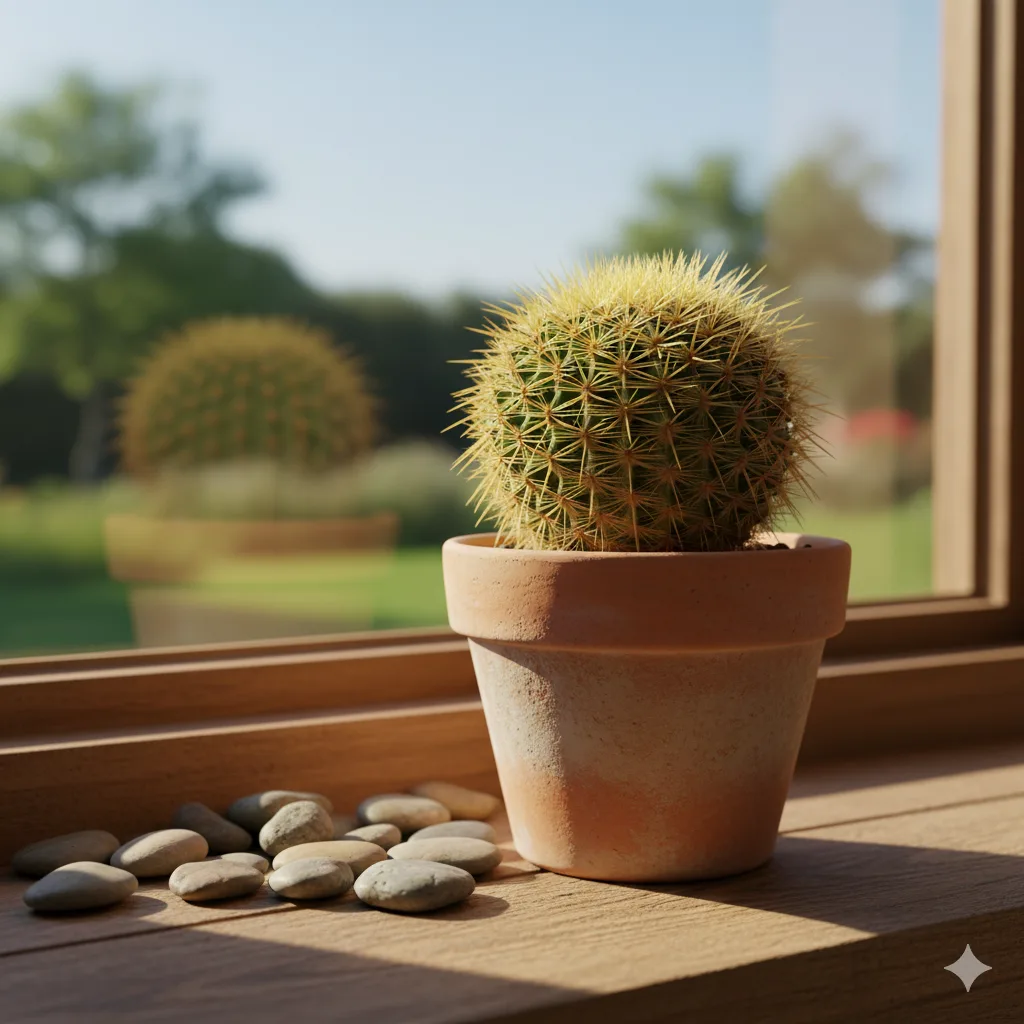
19. Golden Barrel Cactus (Echinocactus grusonii)
The Golden Barrel Cactus is round, bright, and nearly indestructible. Its spherical shape and golden spines make it a bold accent piece for sunny windowsills or minimalist interiors. It’s one of the best plants for beginners to grow — easy, sculptural, and long-living.
It thrives in full sunlight and sandy, well-drained soil. Water sparingly — once every 3–4 weeks is enough. This desert native loves dry air and heat, making it perfect for homes with strong sunlight.
Styling Tip: Display the Golden Barrel Cactus in a shallow terracotta pot with decorative gravel on top. It looks especially striking when grouped with other small cacti or succulents.
Beginner Mistake to Avoid: Overwatering or poor drainage. Cacti are designed to live dry. Too much moisture causes rot quickly.
Why It’s Great for Beginners: It’s incredibly resilient, needs almost no care, and adds a sculptural touch to any sunny spot. A plant that teaches patience — and looks beautiful doing it.
20. Venus Flytrap (Dionaea muscipula)
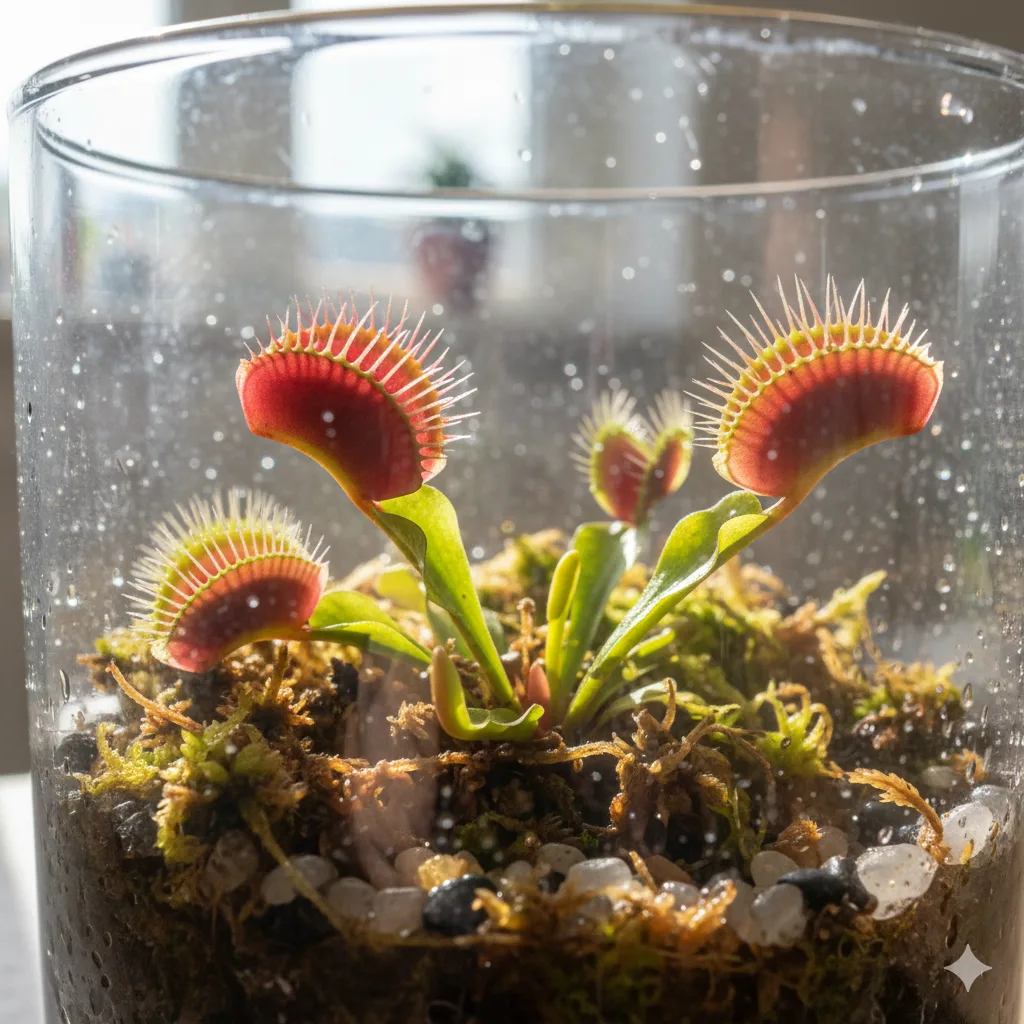
The Venus Flytrap is one of the most fascinating plants you can grow indoors. It’s a small carnivorous plant with jaw-like traps that close when touched — a true crowd-pleaser and one of the best carnivorous plants for beginners. Despite its exotic reputation, it’s actually quite easy to care for if you understand its few basic needs.
Venus Flytraps thrive in bright sunlight or under grow lights and prefer distilled or rainwater only. The soil should always be moist but not waterlogged, and it must be nutrient-free (like peat moss and sand). They don’t need fertilizer — they get nutrients from small insects they catch naturally.
Styling Tip: Keep your Venus Flytrap in a glass dome or terrarium with ventilation to maintain humidity while showcasing its unique traps. It makes a great educational and decorative piece on desks or windowsills.
Beginner Mistake to Avoid: Feeding it human food or fertilizer. This damages the traps and can kill the plant. Stick to small insects or let it feed itself.
Why It’s Great for Beginners: It’s interactive, easy to maintain, and adds a fun twist to plant care — perfect for anyone who wants something unusual yet manageable.
21. Peace Lily ‘Sensation’ (Spathiphyllum ‘Sensation’)
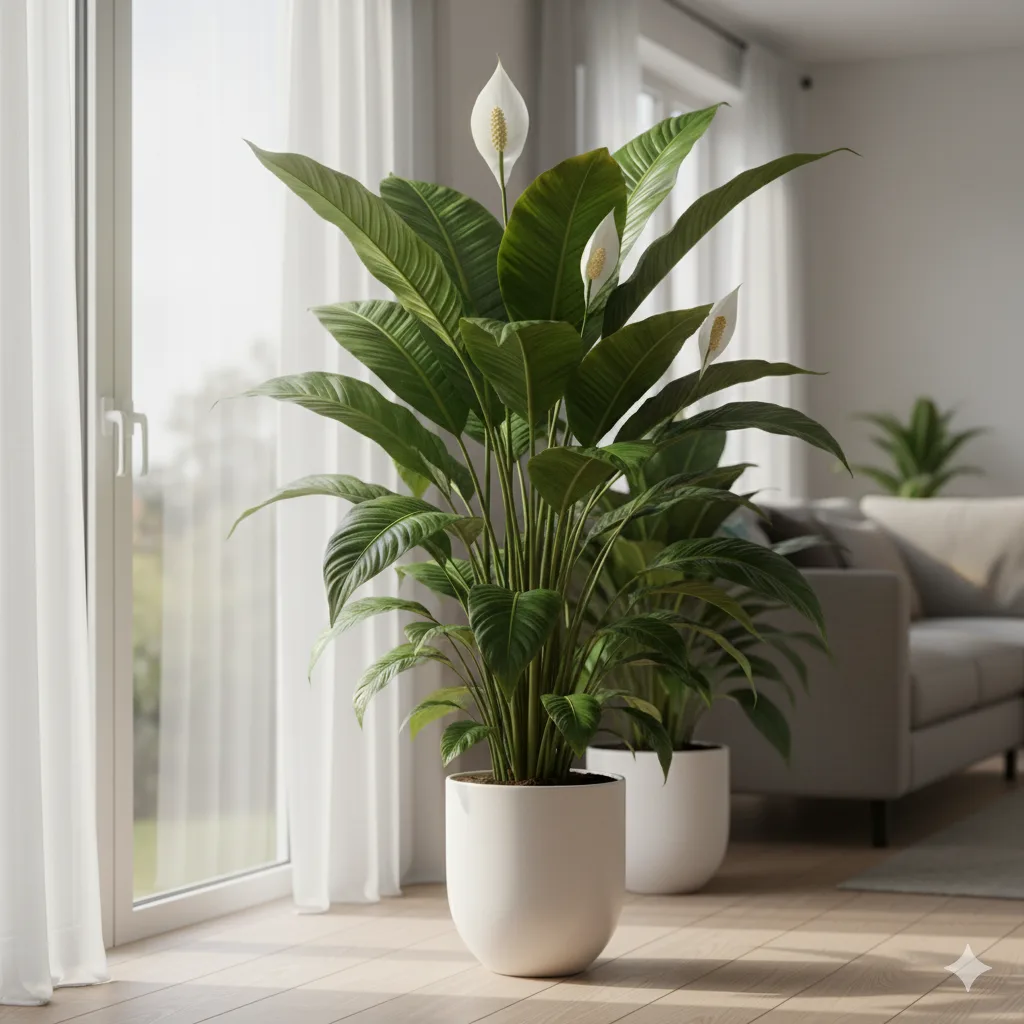
A larger, more dramatic version of the classic Peace Lily, the Peace Lily ‘Sensation’ makes a striking statement indoors. Its large, dark green leaves and creamy white blooms can brighten any room while remaining one of the best house plants for beginners.
It prefers medium, filtered light and consistent moisture, though it will tolerate low light conditions too. Like the smaller Peace Lily, it also signals when it needs water by drooping — a perfect built-in reminder for new plant owners.
Styling Tip: Use a decorative floor planter or large ceramic pot to showcase its broad leaves. It makes an excellent anchor piece for living rooms or offices.
Beginner Mistake to Avoid: Keeping it in direct sunlight, which scorches the leaves. Bright, indirect light is ideal.
Why It’s Great for Beginners: Its visual cues make watering foolproof, and it’s low-maintenance despite its size. Plus, it improves indoor air quality while adding lush greenery to any space.
22. Anubias Nana (Aquatic Plant)
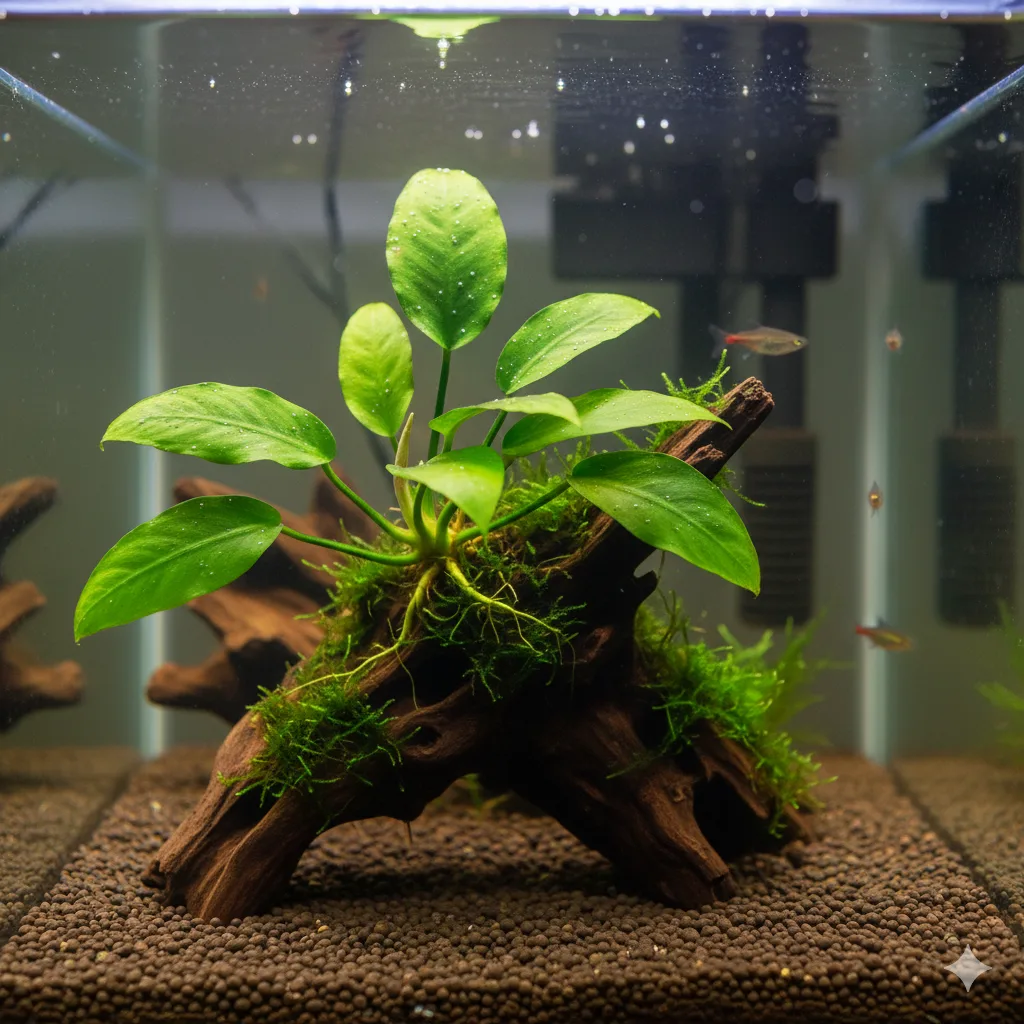
For those interested in aquariums, the Anubias Nana is one of the best aquarium plants for beginners. It’s hardy, low-maintenance, and adds a natural, calming look to any freshwater setup.
This slow-growing aquatic plant thrives in low to moderate light and doesn’t need special substrate. You can attach it to rocks, driftwood, or decor — the roots will anchor themselves naturally. It helps oxygenate water and provides hiding spots for small fish and shrimp.
Styling Tip: Anchor the Anubias to driftwood or pebbles for a natural aquascape effect. It looks beautiful alongside darker stones or other small aquatic plants.
Beginner Mistake to Avoid: Burying the rhizome (the thick green stem). It will rot if covered with substrate. Keep it exposed above the surface.
Why It’s Great for Beginners: It’s incredibly resilient and adapts easily to a variety of aquarium environments. Once planted, it practically cares for itself.
23. Amazon Sword (Echinodorus amazonicus)
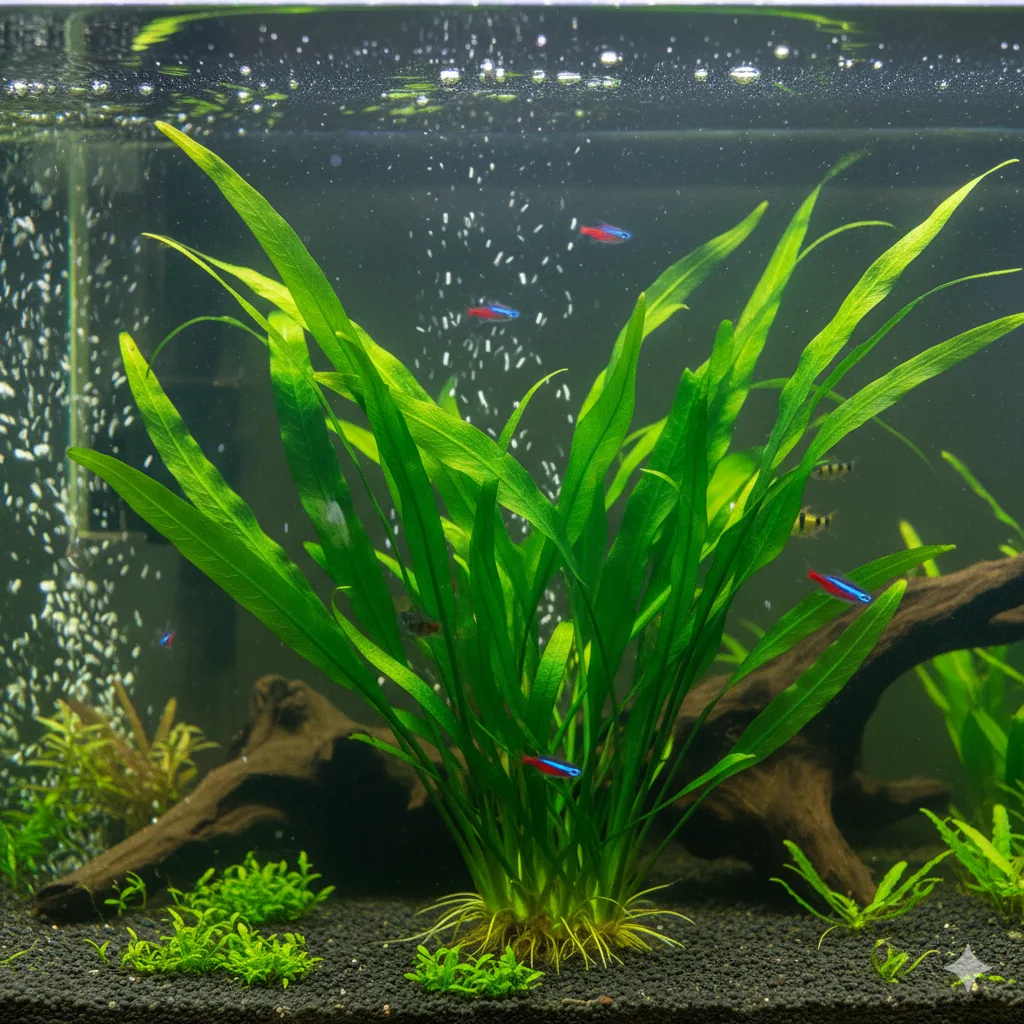
The Amazon Sword is another excellent choice for new aquarium hobbyists. Known for its tall, sword-shaped leaves, it’s one of the best live aquarium plants for beginners and works well as a background or centerpiece plant.
It grows best in nutrient-rich substrate and moderate light. The Amazon Sword absorbs excess nutrients from the water, helping to keep your tank clean and balanced. With occasional trimming, it stays full and healthy.
Styling Tip: Plant the Amazon Sword in the back of your aquarium to create a lush backdrop. Its tall leaves add depth and a tropical look to fish tanks.
Beginner Mistake to Avoid: Keeping it in low light for too long. While adaptable, it needs some brightness to maintain its vivid green color.
Why It’s Great for Beginners: It’s tough, fast-growing, and helps stabilize aquarium water conditions. It’s perfect for learning aquatic gardening while keeping fish healthy.
FAQs: About Beginner-Friendly Indoor Plants
What are the best indoor plants for beginners with low light?
Some of the best indoor plants for beginners low light include the ZZ Plant , Snake Plant , Chinese Evergreen , and Cast Iron Plant. These varieties can thrive in shaded corners, offices, and bedrooms without direct sunlight.
How often should I water indoor plants as a beginner?
It depends on the plant, but most best house plants for beginners prefer to dry out between waterings. As a general rule, check the top inch of soil — if it feels dry, it’s time to water. Succulents like Aloe Vera or Jade need water less often, while tropical plants like Peace Lily prefer slightly moist soil.
What is the easiest plant to grow indoors for complete beginners?
The Snake Plant and Pothos top the list of best plants for beginners indoor because they’re nearly impossible to kill. They tolerate low light, infrequent watering, and temperature changes, making them perfect for first-time plant owners.
Can I grow aquarium plants as a beginner?
Yes! The Anubias Nana and Amazon Sword are two of the best aquarium plants for beginners. They grow well in freshwater setups, require little maintenance, and help improve water quality by reducing waste and adding oxygen.
What are the best plants for beginners to start an indoor garden?
If you’re creating your first indoor garden, start with Pothos , Spider Plant , Peace Lily , ZZ Plant , and Aloe Vera. These are among the best plants for beginners to start an indoor garden because they grow quickly, tolerate small mistakes, and thrive in common household conditions.
Conclusion: Green Success Starts Small
Starting an indoor garden doesn’t have to be complicated. The 23 plants on this list prove that even beginners can create thriving green spaces — from windowsills and offices to aquariums and shaded corners.
Whether you want the best indoor plants for beginners low light like the ZZ Plant and Chinese Evergreen, or something fun and unique like the Venus Flytrap or Anubias Nana, there’s a plant here for every personality and home.
The secret to success is simple: start small, observe your plants, and enjoy the process. As you grow more confident, your plants — and your skills — will grow with you.
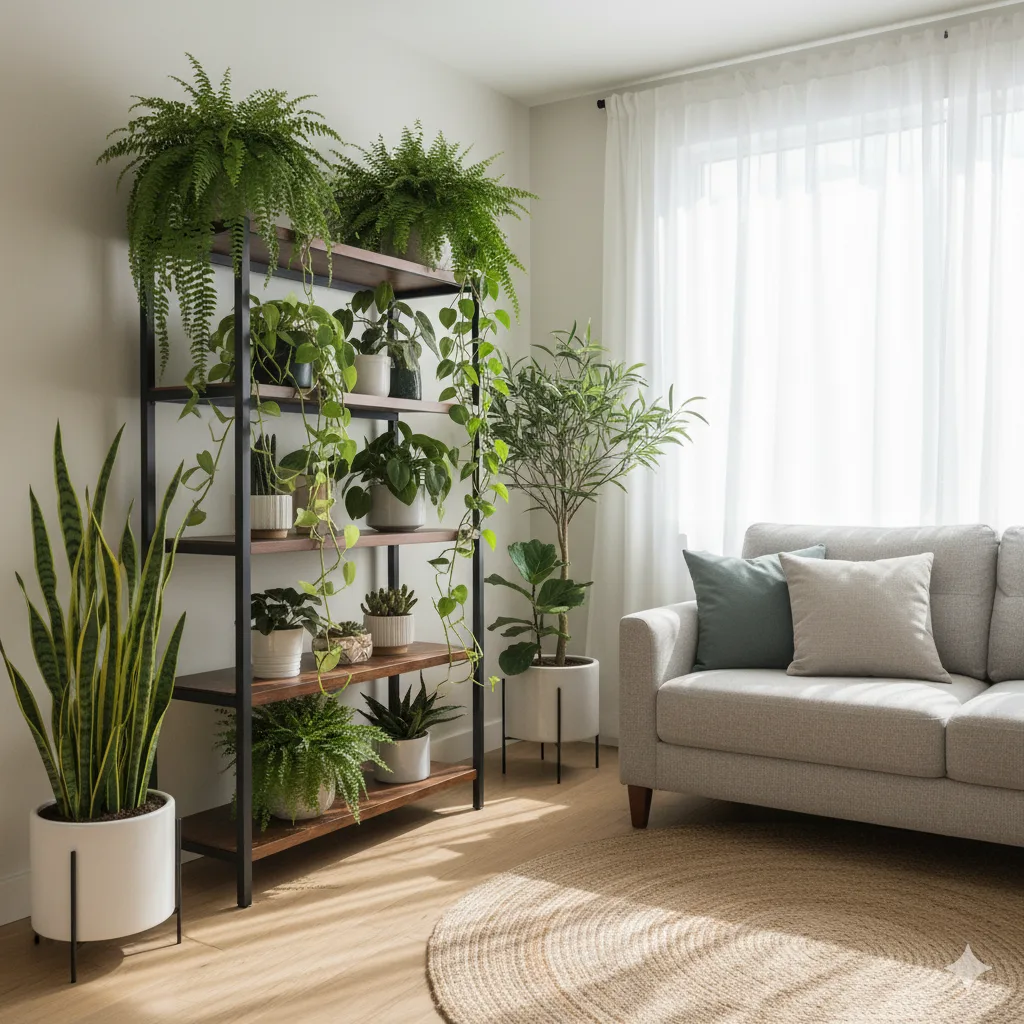
Image: A cozy living room filled with various beginner-friendly indoor plants — from leafy Monsteras to hanging Spider Plants — basking in natural daylight.
About the Author
Landscaping Expert & Writer · Raleigh, North Carolina · North Carolina State University
Jennifer Hall is a professional landscaper and lawn care writer based in Raleigh, North Carolina. She studied landscape horticulture at North Carolina State University, home to one of the country's leading turfgrass programs, and went on to build a specialized landscaping service serving the greater Raleigh-Durham region. Jennifer's expertise spans the Southeast and Mid-Atlantic transition zone, where she advises homeowners on warm-season grass selection, seasonal lawn care calendars, landscape design, and water-efficient gardening. Her writing brings together professional horticultural training and real-world experience in one of America's most challenging grass-growing climates.