Front Yard Landscaping Ideas
Published: October 24, 2025 · Updated:

Looking for lawn care advice for your city? Find your city's guide →
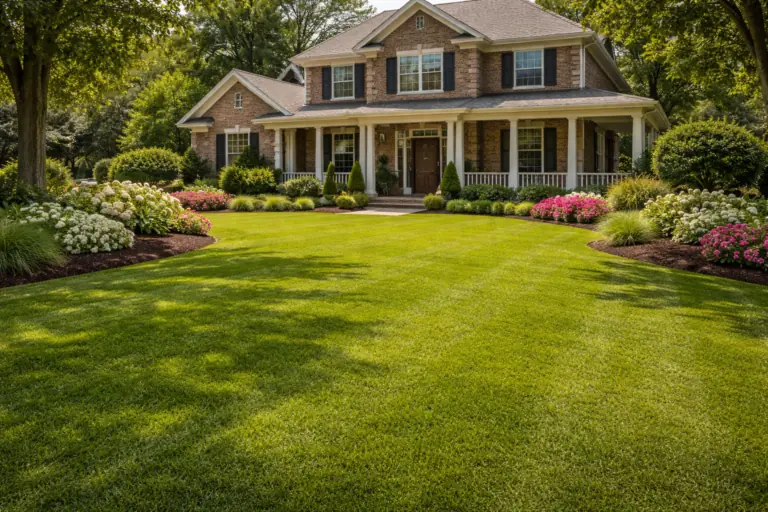
Your front yard sets the tone for your home before anyone walks through the door. It’s the first impression neighbors and guests notice — and the easiest way to elevate curb appeal without major renovations.
A well-designed yard can make your home look more welcoming and even increase its value. Research shows that thoughtful landscaping can raise property value by up to 15 percent (1). That means every plant, pathway, and lighting choice matters.
The best part is, creating a beautiful front yard doesn’t have to be complicated or costly. With simple planning, seasonal adjustments, and the right mix of plants and materials, you can build a landscape that looks great year-round.
In this guide, you’ll find front yard landscaping ideas that fit every space and budget. You’ll learn how to plan your layout, layer plants for lasting color, add hardscaping for structure, and use lighting to highlight your home’s best features.
Step 1: Start With a Plan and Purpose
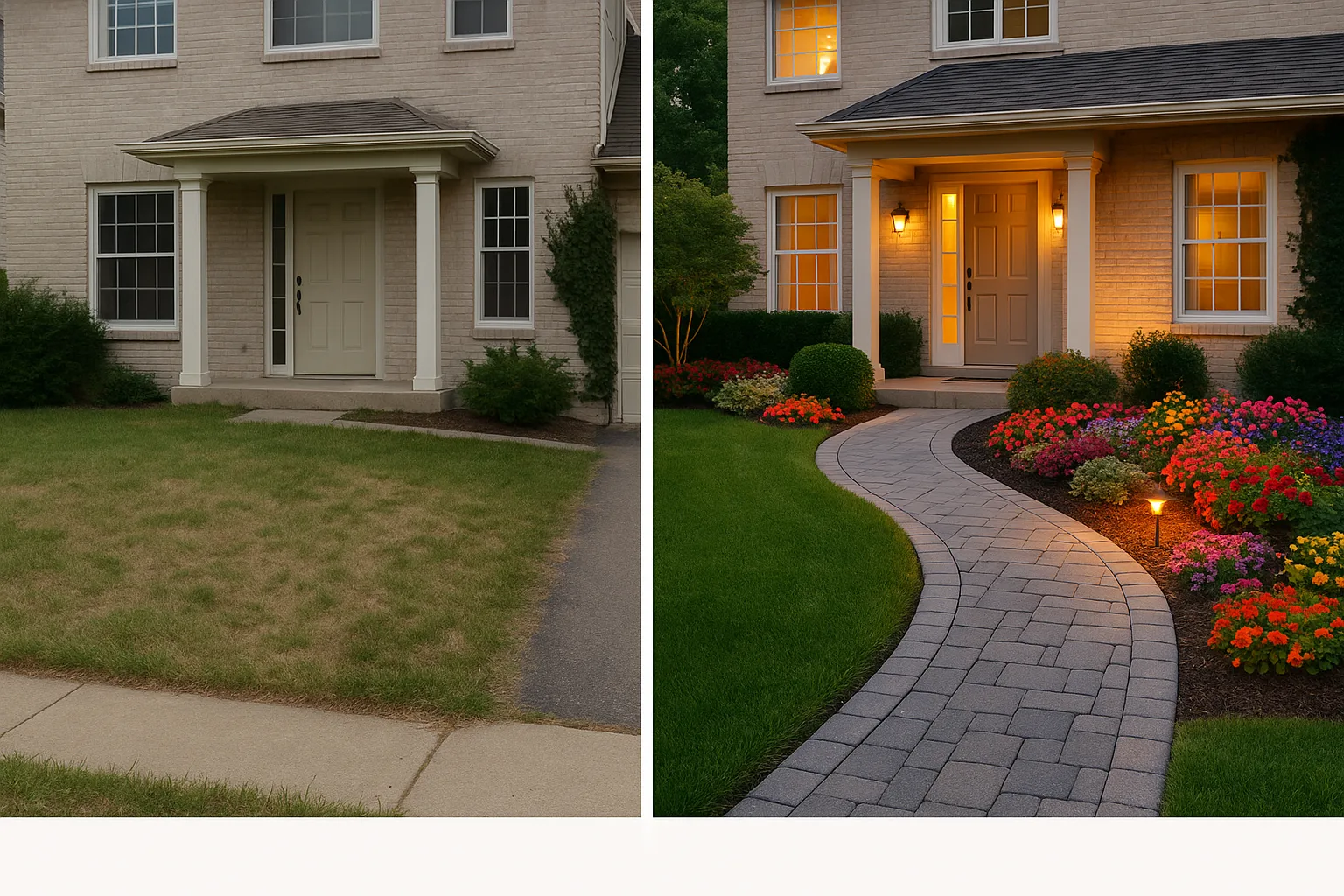
Every great front yard begins with a plan. Before buying plants or materials, take time to understand what you want your space to achieve. Do you want curb appeal, privacy, or a low-maintenance design? A clear purpose ensures every element works together instead of competing for attention.
Start by studying your yard. Notice where the sun hits longest, where water collects, and which areas get the most foot traffic. These details help you decide what belongs where. For example, full-sun spots are ideal for daylilies and lavender, while shaded corners thrive with ferns and hostas (2).
Next, measure your space. Draw a simple sketch or use free digital tools like iScape , SmartDraw , or Gardena My Garden Planner to visualize your layout. Mark trees, pathways, and drainage zones. Good planning prevents problems later, like roots lifting pavement or shrubs blocking windows.
Check your soil too. A quick soil test tells you whether it’s acidic, neutral, or alkaline. Most lawns prefer a pH between 6.0 and 7.0 for healthy growth. If your soil’s off balance, you can correct it before planting to give your landscape a stronger start.
Finally, set a budget and timeline. Break your project into phases — hardscaping first, planting next, lighting last. This keeps progress manageable and lets you enjoy visible results along the way.
Step 2: Define Your Focal Point
A well-designed front yard always has a focal point — a single feature that draws attention and ties everything together. Without one, even the most colorful or well-kept yards can look scattered and unfinished.
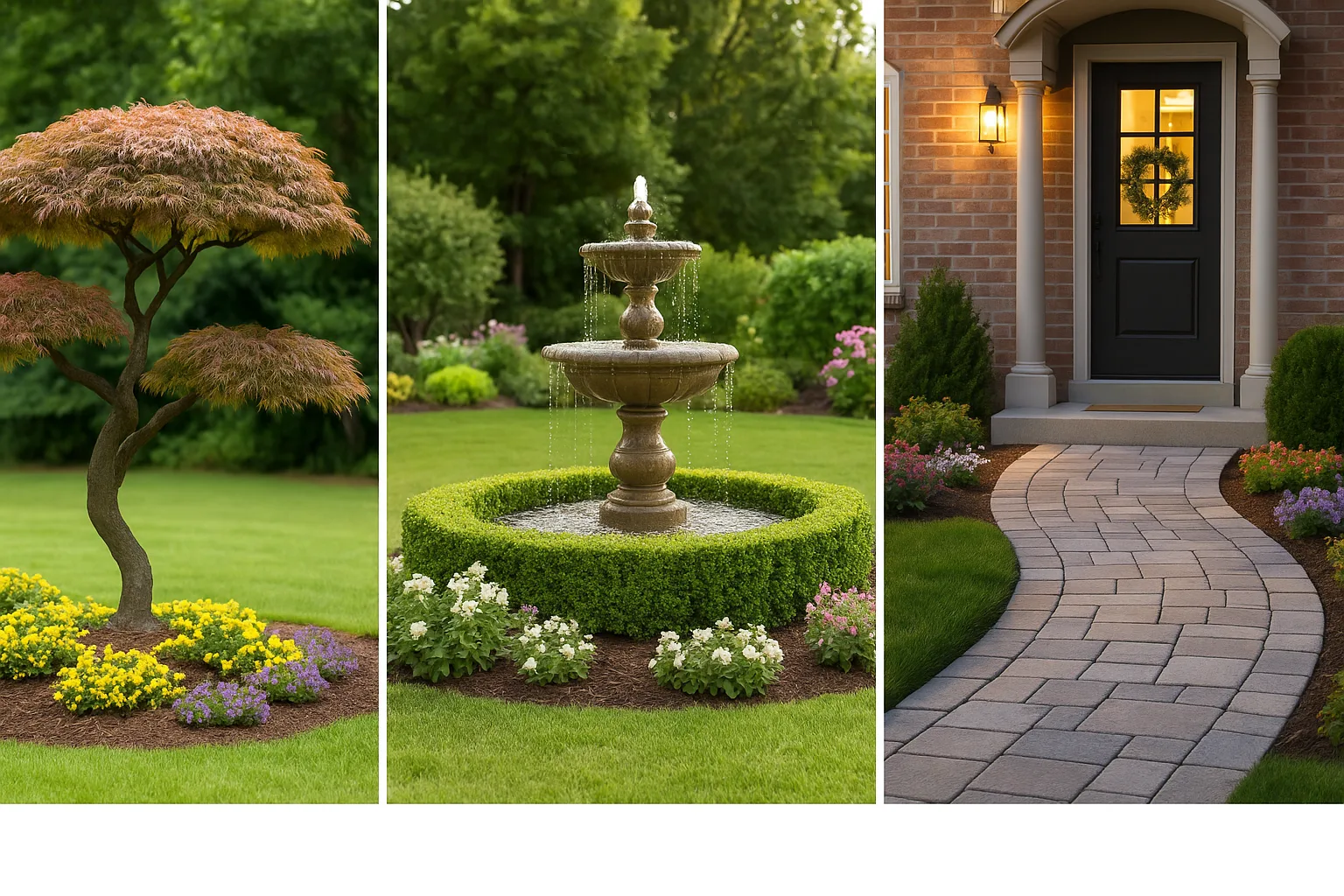
Your focal point might be a statement tree, a curved walkway, a fountain, or even your front door. The goal is to create a visual anchor that gives your landscape direction and purpose. Choose something that naturally attracts the eye as soon as someone approaches your home.
Proportion is key. A tall tree can beautifully complement a large house, while smaller yards often look better with low shrubs, planters, or compact ornaments. The American Society of Landscape Architects notes that scale and balance are the foundation of effective outdoor design (3).
Don’t forget lighting. A soft uplight under a tree or pathway lights guiding guests to your porch can make your focal point shine after sunset and add a touch of elegance at night.
Step 3: Layer Plants for Year-Round Color
Color is what makes a front yard come alive. The key is layering plants so your yard stays vibrant in every season. Proper layering adds depth, movement, and visual rhythm — even when some plants go dormant.
Start by organizing plants by height. Place tall evergreens or ornamental trees in the back, medium shrubs or perennials in the middle, and low flowers or ground covers at the front. This creates a balanced look and ensures every layer is visible from the curb.
Variety is just as important as height. Mix textures and leaf shapes to create visual contrast — pair broad hydrangea leaves with slender ornamental grasses or feathery ferns. Using native plants also helps because they thrive naturally in your soil and climate while needing less maintenance (4).
Plan for seasonal interest too.
- Spring: Tulips, daffodils, azaleas
- Summer: Daylilies, hydrangeas, roses
- Fall: Asters, ornamental grasses, sedum
- Winter: Evergreen shrubs, red twig dogwood, hellebores
This rotation ensures your yard always has something in bloom or offering texture and color.
Step 4: Add Functional Hardscaping
Hardscaping gives your front yard structure. It’s the framework that defines spaces, directs movement, and adds a polished look. Think of paths, borders, patios, retaining walls, and lighting — all the features that complement your plants and make your yard easier to navigate.
Start with pathways. A curved walkway made of pavers, gravel, or natural stone adds character while guiding visitors naturally to your front door. Straight paths suit modern homes, while gentle curves feel more inviting in traditional landscapes. Make them at least three feet wide for comfort and accessibility.
Edging is another small detail with a big visual payoff. Stone or steel borders keep mulch and grass neatly separated, while preventing weeds from creeping into flower beds. Choose materials that match your home’s style — brick for classic homes, gravel for cottage-style, or concrete for minimalist designs.
Lighting ties it all together. Use solar or low-voltage path lights for safety and subtle ambiance. According to the U.S. Department of Energy, LED outdoor lighting uses up to 75 percent less energy than traditional bulbs and lasts far longer (5).
A few well-placed fixtures can highlight focal points, illuminate walkways, and showcase textures in stone or wood after sunset.
Step 5: Embrace Low-Maintenance Landscaping
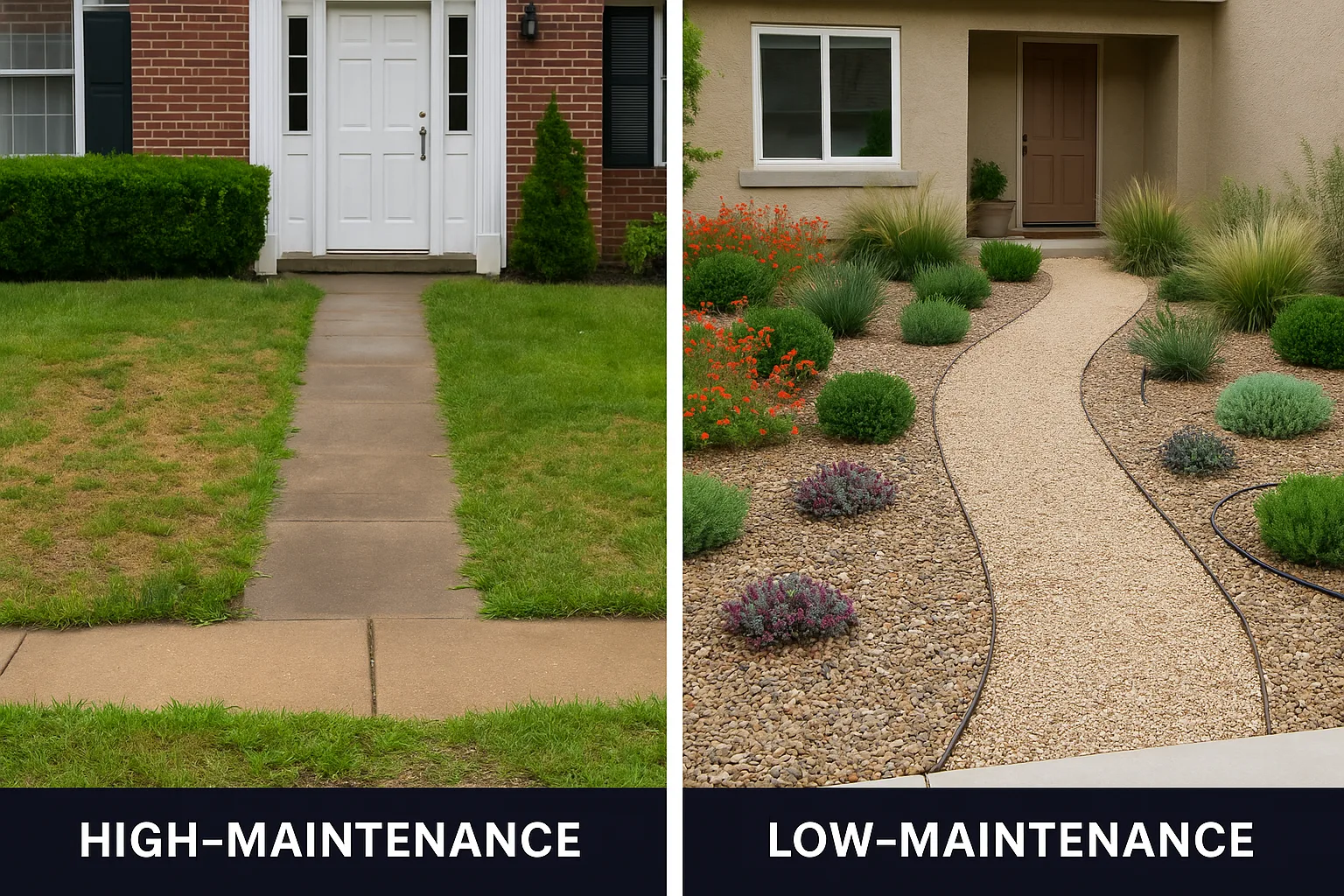
A beautiful front yard shouldn’t require constant upkeep. Low-maintenance landscaping saves time, conserves water, and keeps your yard looking neat through every season. The key is smart plant choices, efficient watering, and good ground coverage.
Start with ground covers. Options like creeping thyme, sedum, or clover fill empty spots quickly and help control weeds. They also reduce the need for mowing while adding subtle texture and color to your landscape.
Mulching is another must. A 2–3 inch layer of organic mulch retains soil moisture, prevents erosion, and keeps weeds down. Reapply it once or twice a year, especially in early spring and fall, to maintain an even layer and fresh appearance.
Watering efficiently makes a big difference. A drip irrigation system delivers moisture directly to roots with minimal waste. The EPA’s WaterSense program reports that switching to smart irrigation can save up to 15,000 gallons of water per year for a typical household (6).
Finally, focus on perennials and native plants. They come back each year with less care, need less fertilizer, and naturally adapt to local conditions. Once established, they can handle dry spells, temperature shifts, and pests with minimal effort.
Step 6: Include Native and Pollinator-Friendly Plants
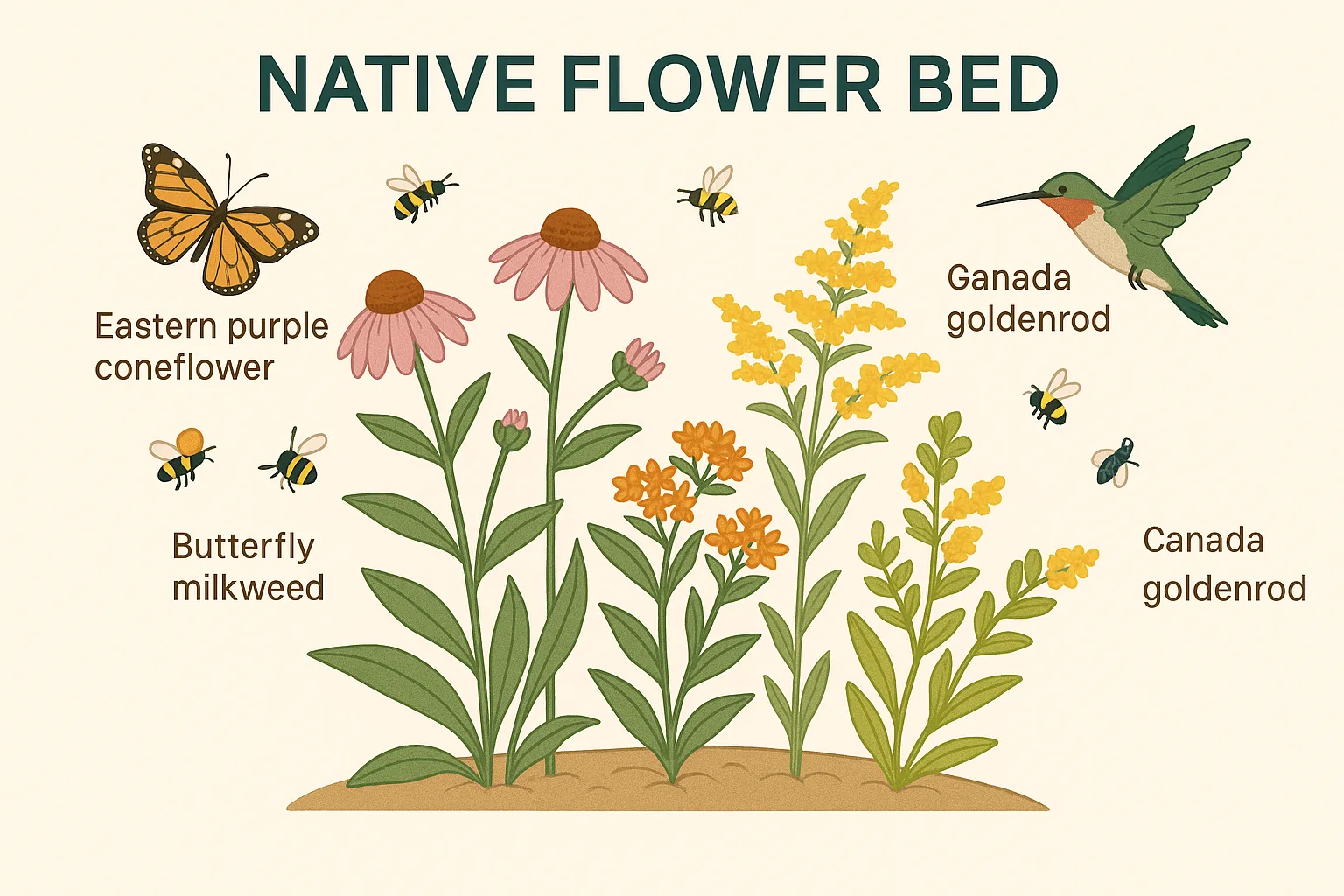
Native plants do more than beautify your yard — they build a healthier ecosystem. Because they’ve adapted to your local climate and soil, they need less water, fewer fertilizers, and almost no pesticides. They also attract birds, bees, and butterflies, helping your garden come alive naturally.
When selecting plants, look for species native to your region. They’re easier to maintain and better for local pollinators. For example, coneflowers, black-eyed Susans, and milkweed thrive across much of the U.S. while supporting native bees and monarch butterflies. You can check your local options using the USDA Plant Hardiness Zone Map or your county’s extension service.
Pollinator-friendly landscaping doesn’t mean wild or messy. Neat garden beds filled with nectar-rich flowers, layered heights, and natural mulch can look just as refined as any formal design. Avoid chemical sprays that harm beneficial insects and choose organic pest control instead.
The Pollinator Partnership notes that even small front yards can support pollinators if they include native blooms, shelter plants, and continuous flowering through multiple seasons (7). A simple mix of early-spring bulbs, summer perennials, and fall asters can provide food and habitat year-round.
Step 7: Use Lighting to Highlight Features
Lighting transforms a front yard after sunset. It not only improves safety but also adds depth, mood, and beauty to your landscape. The right setup turns your home into a welcoming sight, even at night.
Start by planning where light adds the most value. Focus on three key zones:
Top lighting priorities:
- Pathways and Steps: Prevent tripping and guide guests safely.
- Focal Points: Trees, sculptures, or water features look striking when softly lit.
- Architectural Details: Highlight textures like brick, stone, or columns for depth.
Mix light sources for balance. Combine uplighting for trees, downlighting for general illumination, and path lights for subtle highlights. Choose warm white bulbs (2700K–3000K) to keep the look natural rather than harsh.
The Illuminating Engineering Society recommends using layered lighting — a combination of ambient, task, and accent lights — to create both beauty and functionality (8).
For energy savings, install LED fixtures or solar-powered lights. They use less power and require minimal maintenance, keeping your yard eco-friendly and affordable.
Step 8: Maintain a Seasonal Routine
Landscaping isn’t a one-time job — it’s a cycle. Seasonal maintenance keeps your front yard healthy, colorful, and ready for whatever weather comes next. By following a simple year-round plan, you’ll prevent overgrowth, protect plants, and keep your design looking sharp.
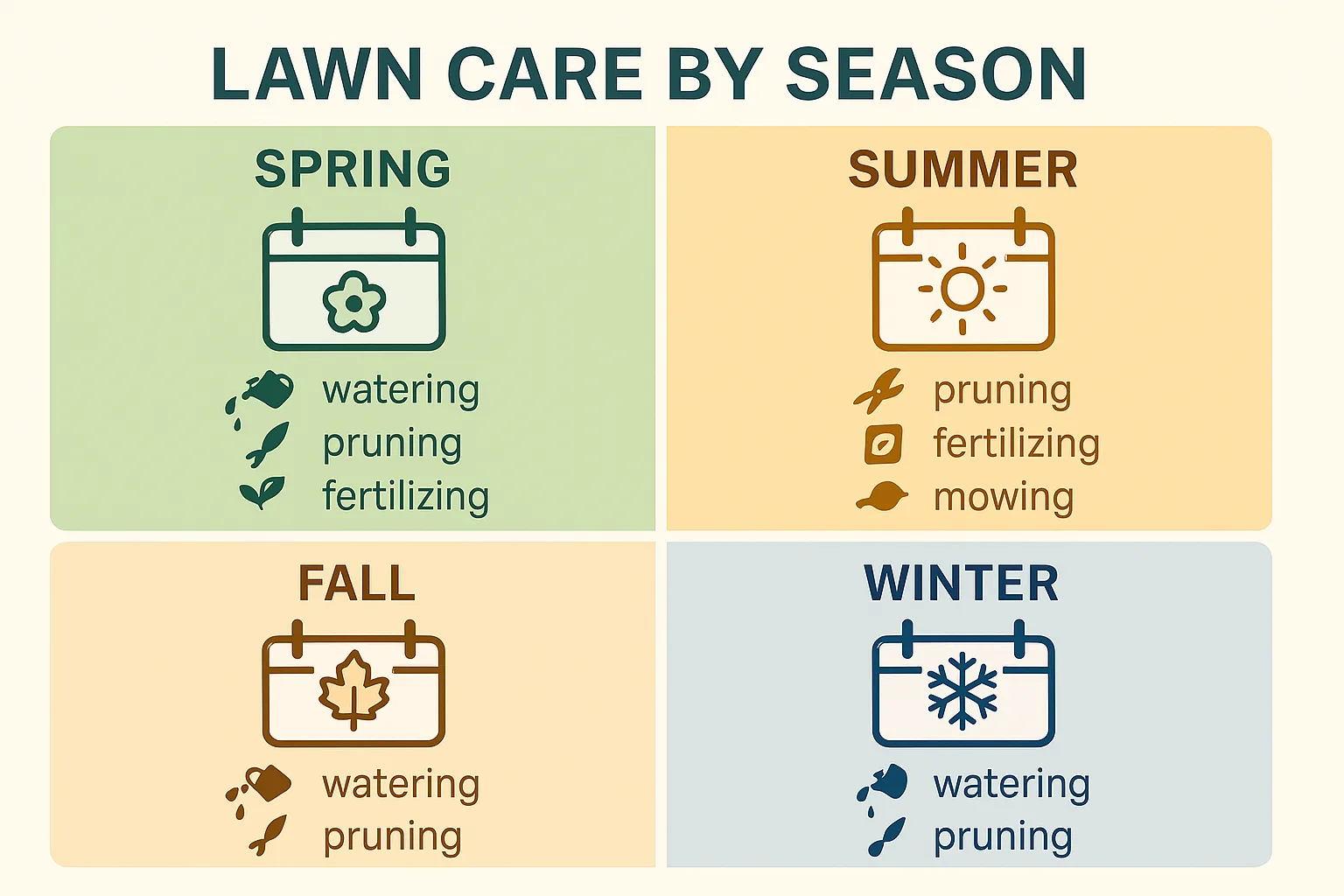
Here’s a quick seasonal breakdown:
| Season | Key Tasks |
|---|---|
| Spring | Fertilize lawn, prune shrubs, edge flower beds, and reseed bare patches. |
| Summer | Water deeply in the morning, deadhead spent blooms, and refresh mulch. |
| Fall | Aerate the soil, plant bulbs for spring color, and clear fallen leaves. |
| Winter | Protect roots with mulch, prune evergreens lightly, and inspect lighting systems. |
Use this as a foundation, then tailor it to your region’s climate and plant types. For example, warm-season grasses thrive with midsummer feeding, while cool-season lawns benefit more from fall fertilization.
The University of Illinois Extension notes that consistent seasonal care — especially soil aeration and mulching — strengthens root systems and improves long-term lawn health (9).
Consider creating a maintenance checklist or setting seasonal reminders on your calendar. It’s an easy way to stay ahead and avoid letting small issues turn into major repairs.
Step 9: Budget-Friendly Ideas for Small Front Yards
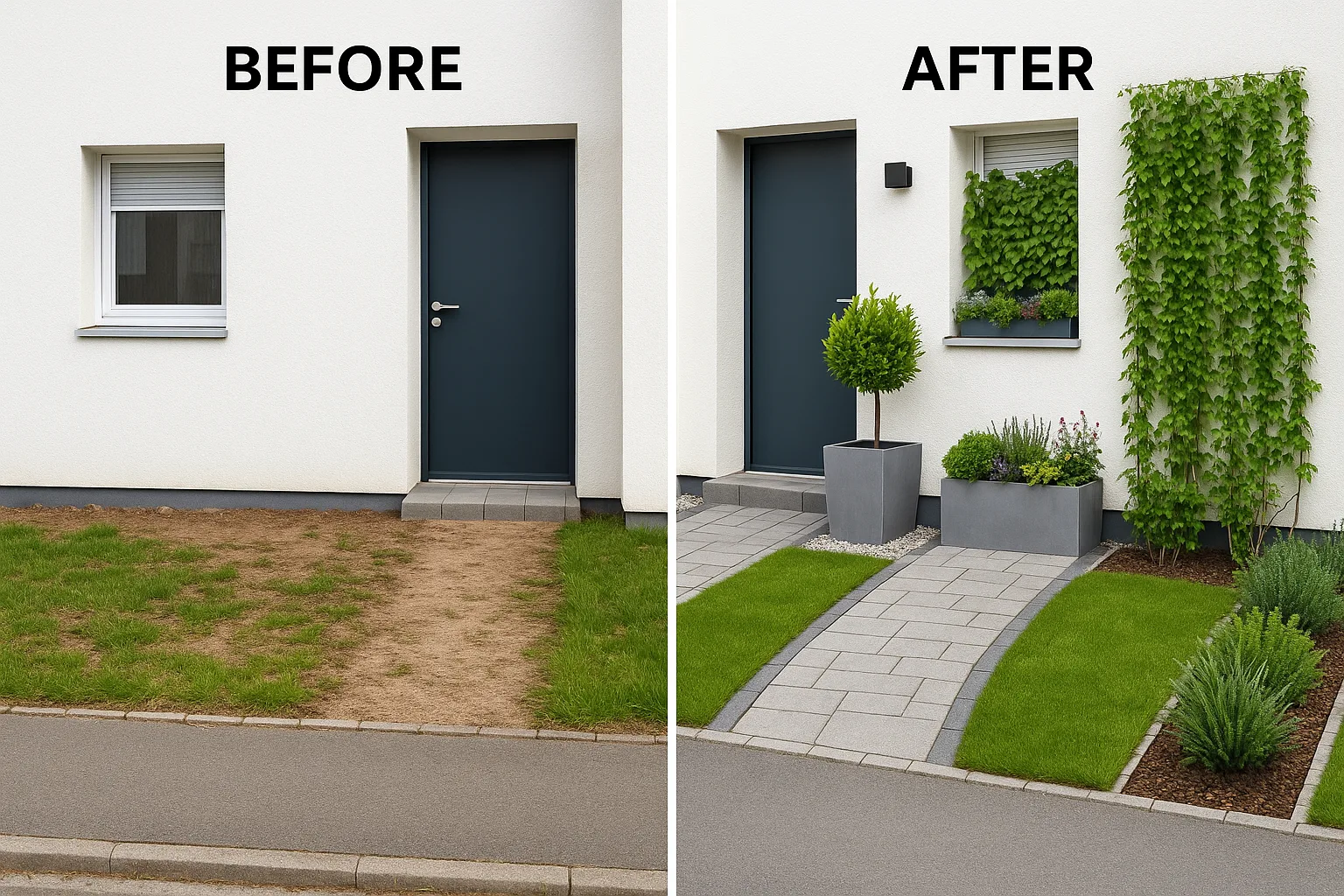
You don’t need a large or expensive yard to make a strong impression. With the right design choices, even compact spaces can look elegant, layered, and full of character. The trick is to focus on visual impact rather than size.
1. Use Container Gardens
Container gardens add color and flexibility without permanent commitment. Use large ceramic or concrete pots to anchor corners, then mix heights and textures with trailing vines, compact shrubs, and bright seasonal flowers. You can rearrange them anytime for a fresh look.
2. Go Vertical
When space is limited, think upward. Vertical planters, trellises, or wall-mounted garden boxes bring life to blank walls and fences. Climbing plants like clematis or jasmine create a lush backdrop that draws the eye upward, making the yard feel larger.
3. Add Simple Hardscaping
Gravel courtyards, stepping stones, or narrow paver paths are inexpensive and instantly tidy. Use contrasting materials — like dark gravel against light stone — to add dimension. You can edge the path with small perennials or solar lights for evening appeal.
4. Create Symmetry
Balance gives a sense of order and spaciousness. Flank your front door with matching planters or evenly spaced shrubs. Symmetry helps small areas feel intentional and well-designed, even with fewer elements.
5. Choose Multi-Season Plants
Pick plants that stay attractive for more than one season. Boxwoods, ornamental grasses, and dwarf evergreens provide structure in winter and blend seamlessly with spring blooms.
According to the National Gardening Association , using layered, low-cost features like planters, gravel, and compact shrubs can increase curb appeal without major investment (10).
Step 10: Sustainable Front Yard Landscaping Ideas
Sustainability is more than a trend — it’s smart landscaping. Eco-friendly front yards save water, cut maintenance costs, and support local ecosystems. With just a few adjustments, you can make your yard greener without sacrificing beauty or function.
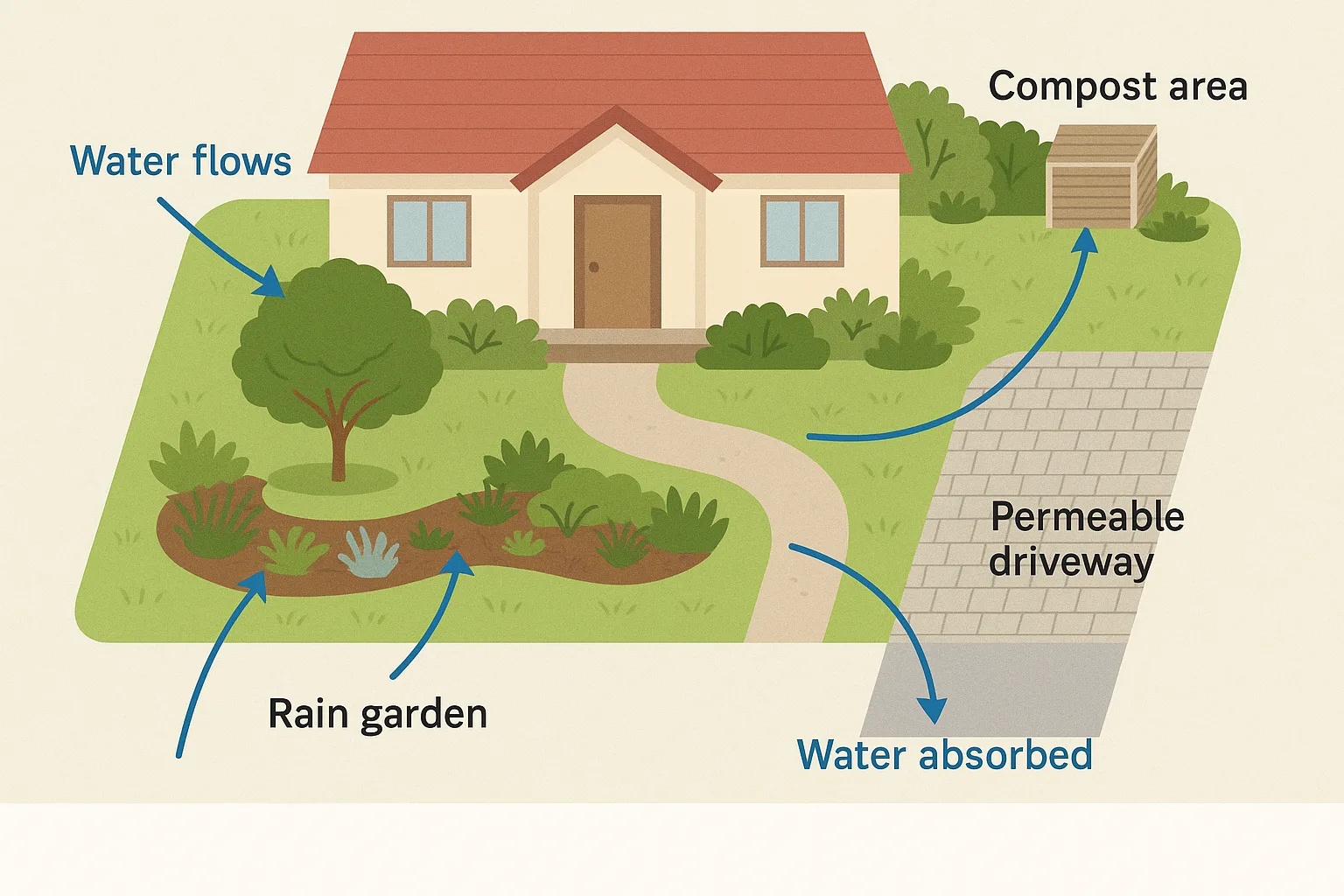
1. Install a Rain Garden
Rain gardens collect runoff from your roof or driveway and filter it naturally through deep-rooted plants. This reduces puddling, prevents erosion, and keeps stormwater out of sewers. Choose native plants like Joe-Pye weed, switchgrass, and blue flag iris — they handle both wet and dry conditions well.
2. Use Permeable Surfaces
Replace solid concrete with permeable pavers, gravel, or porous asphalt. These materials allow water to soak into the ground instead of running off, which helps replenish groundwater and reduces flooding.
3. Compost Yard Waste
Instead of bagging leaves and clippings, compost them. They decompose into rich organic matter you can reuse as fertilizer. Composting improves soil health and reduces landfill waste — a simple win for both your garden and the planet.
4. Choose Drought-Tolerant Plants
Plants like lavender, Russian sage, and yarrow thrive in dry conditions and need less irrigation. Group plants by water needs (a method called hydrozoning) to save even more water.
The U.S. Environmental Protection Agency highlights that rain gardens, composting, and permeable surfaces are among the most effective ways homeowners can reduce runoff and conserve resources (11).
Bonus: Front Yard Landscaping Trends for 2025
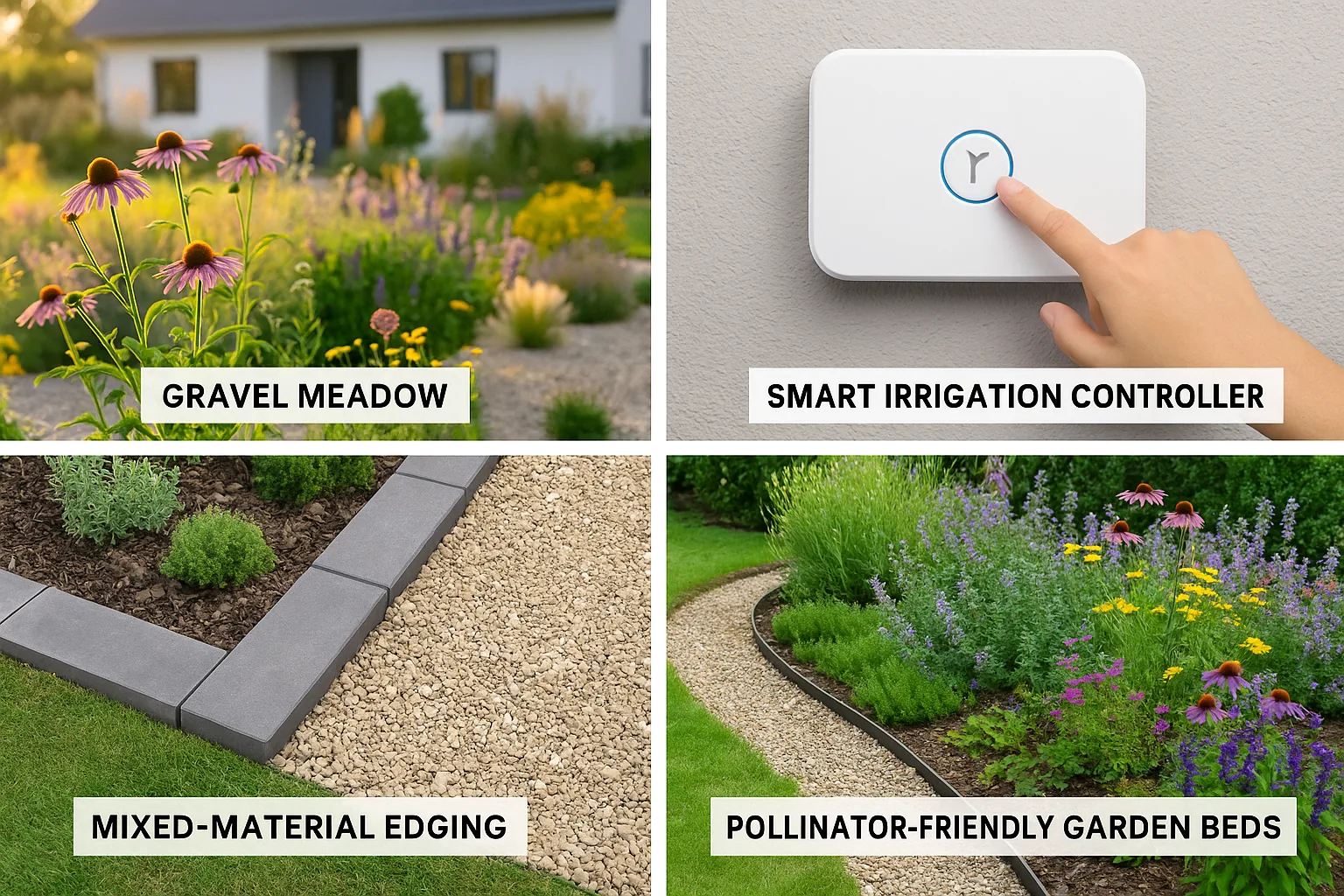
Each year brings fresh ideas to front yard design, and 2025 is shaping up to be all about sustainability, texture, and smart technology. Homeowners are blending style with function — creating landscapes that look natural, work efficiently, and require less hands-on care.
Here are the standout trends shaping lawns and gardens this year:
1. Gravel Meadows
Gravel meadows are replacing traditional lawns in many climates. They combine drought-tolerant plants with decorative gravel for a natural, low-water look. Think lavender, sage, and ornamental grasses emerging through fine stone mulch — elegant and easy to maintain.
2. Smart Irrigation Systems
Smart sprinklers and soil sensors adjust watering based on weather and soil moisture levels. They save water and prevent overwatering. The latest models can even be managed from your phone, making them ideal for busy homeowners.
3. Mixed Materials
Designers are mixing wood, steel, and stone to create layers of texture and color. A steel edging next to a gravel walkway or wooden planter adds subtle contrast that feels modern without being cold.
4. Native and Wildlife-Friendly Yards
Pollinator-friendly planting continues to grow. More homeowners are dedicating small spaces for bees, butterflies, and birds. Even a few square feet of native wildflowers can make a measurable ecological difference.
5. No-Mow and Eco Lawns
Grass alternatives like microclover and fescue blends are gaining popularity for their soft texture and minimal mowing needs. They stay green longer and handle drought better than traditional turf.
According to Better Homes & Gardens, the strongest design direction for 2025 emphasizes low-water landscapes, natural materials, and technology-driven lawn care solutions (12).
Conclusion
Creating a beautiful front yard isn’t about spending more — it’s about planning smart, choosing the right plants, and maintaining consistency through the seasons. Every design decision, from your walkway layout to your choice of mulch, plays a role in how welcoming and well-kept your home looks.
Start small if you need to. Add one feature at a time — a new focal tree, a gravel path, or a set of solar lights — and build from there. Over time, each layer contributes to a yard that feels intentional, balanced, and easy to care for.
Consistency matters more than perfection. Regular maintenance, seasonal updates, and sustainable choices keep your landscape thriving for years to come. As the National Association of Landscape Professionals notes, routine attention and plant diversity are the keys to long-term curb appeal and property value (13).
Ready to take the next step? Explore our seasonal guides for more practical, region-specific tips to keep your lawn beautiful year-round.
About the Author
Landscaping Expert & Writer · Raleigh, North Carolina · North Carolina State University
Jennifer Hall is a professional landscaper and lawn care writer based in Raleigh, North Carolina. She studied landscape horticulture at North Carolina State University, home to one of the country's leading turfgrass programs, and went on to build a specialized landscaping service serving the greater Raleigh-Durham region. Jennifer's expertise spans the Southeast and Mid-Atlantic transition zone, where she advises homeowners on warm-season grass selection, seasonal lawn care calendars, landscape design, and water-efficient gardening. Her writing brings together professional horticultural training and real-world experience in one of America's most challenging grass-growing climates.