
15 Best Indoor Plants for Any Location.
Indoor plants do more than fill a room — they bring life, color, and calm. Whether you live in a small apartment or a large home, the right plants can make every space feel fresh and inviting.
People choose indoor plants for many reasons. Some want better air quality. Others want greenery that improves mood and reduces stress. And many simply love the natural beauty plants bring indoors. With options like best indoor plants for home, best indoor plants for clean air, and best indoor plants for low light, there’s a perfect choice for every corner.
Modern research has proven what gardeners have long believed — plants are good for your health. The famous NASA Clean Air Study showed that many common houseplants remove toxins such as benzene, formaldehyde, and trichloroethylene from indoor air ( (1)).
These best indoor plants for air quality also boost oxygen levels and humidity, helping you breathe easier. Some even support mental focus and productivity, making them ideal for both homes and offices.
This guide will show you 15 of the best indoor plants — chosen for every condition, from bright living rooms to dark hallways. You’ll also learn the basics of choosing the best soil for indoor plants, the right fertilizer, and how to use grow lights to keep your plants healthy year-round.
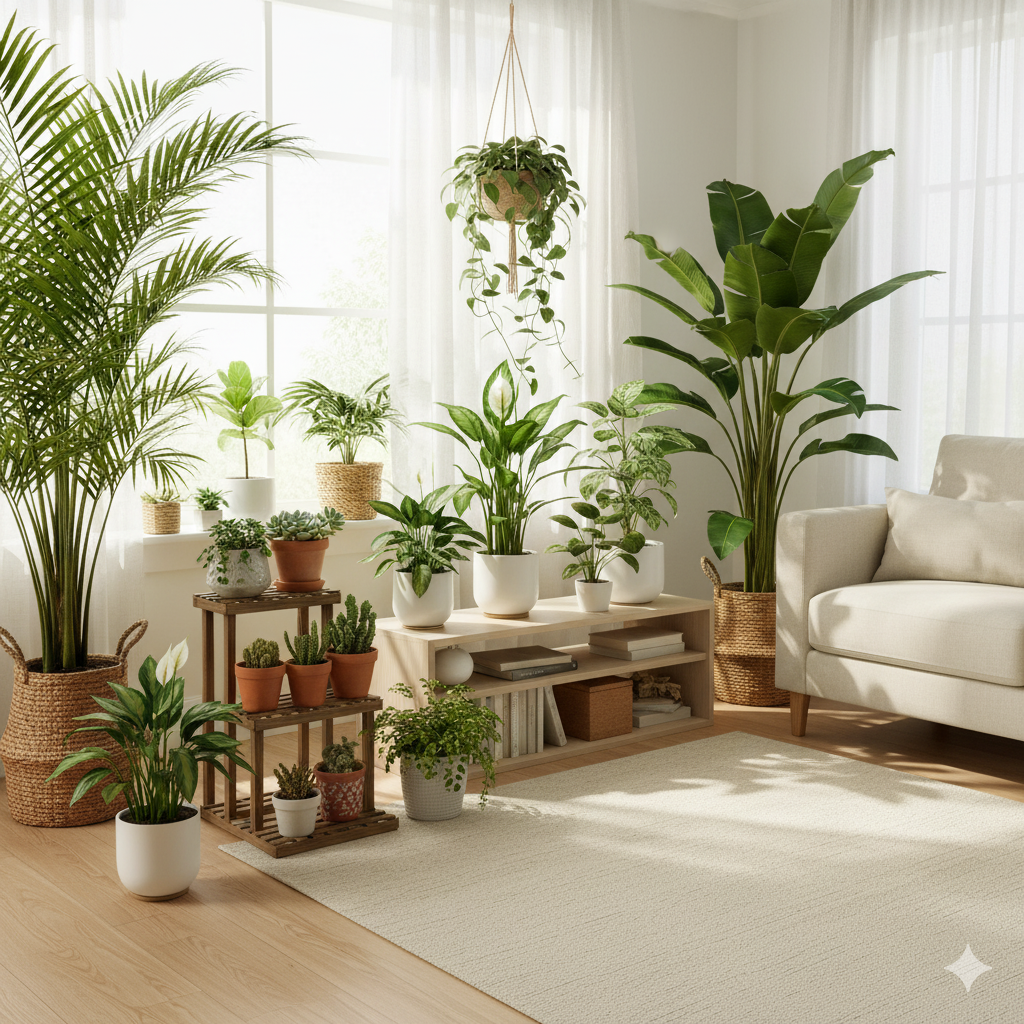
Best Indoor Plants for Clean Air and Oxygen
If you want to breathe easier and feel healthier, start with plants that clean the air. Many common houseplants naturally remove indoor pollutants while adding oxygen and humidity. These best indoor plants for clean air are not only beautiful but also hard-working — they quietly freshen the air in your home, one leaf at a time.
1. Peace Lily (Spathiphyllum)
The Peace Lily is one of the most popular best indoor plants for home and best indoor plants for clean air. It’s elegant, low-maintenance, and blooms with white flowers that brighten any room.
Peace Lilies excel at filtering airborne toxins such as formaldehyde and benzene — chemicals often found in furniture, paints, and cleaning products. According to the NASA Clean Air Study, they’re among the top performers in air purification ( (1) ).
This plant loves indirect or low light, making it one of the best indoor plants for low light and even dark rooms. It’s ideal for bedrooms, bathrooms, and offices where sunlight is limited. Water it once a week and mist the leaves occasionally to maintain humidity.
Peace Lilies also indicate when they need water — their leaves droop slightly, then spring back once hydrated. For soil, use a loose, well-draining mix made with peat and perlite, and feed it monthly with a balanced fertilizer.
Why it’s great:
- Cleans indoor air effectively.
- Grows in shade or low light.
- Adds elegance with minimal care.

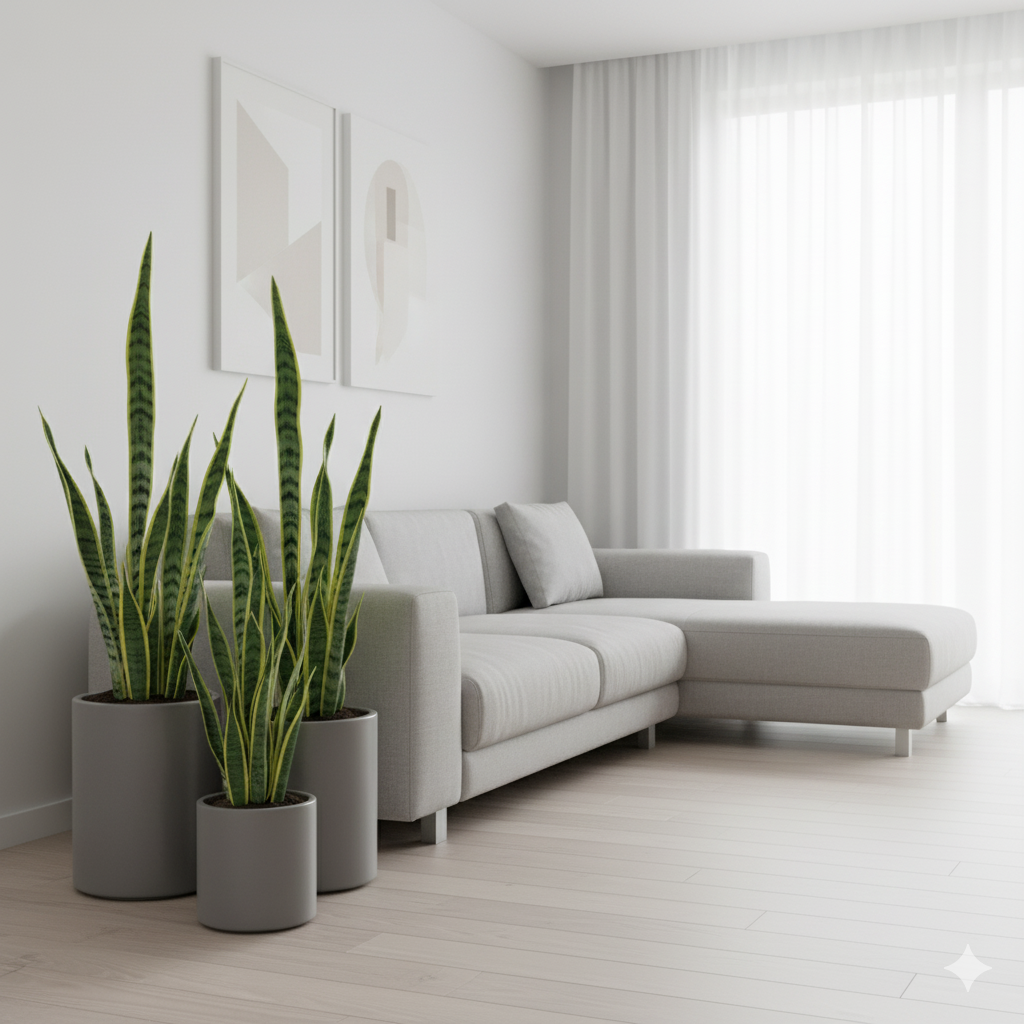
2. Snake Plant (Sansevieria trifasciata)
The Snake Plant, also called Mother-in-Law’s Tongue, is practically indestructible — and one of the best indoor plants for oxygen and air quality. It releases oxygen at night, unlike most plants, making it perfect for bedrooms.
This hardy plant thrives in almost any condition — bright light, low light, or even neglect. It’s one of the best low maintenance indoor plants, especially for busy homeowners. The tall, upright leaves add a modern architectural look to your space.
Snake Plants filter toxins such as formaldehyde, xylene, and nitrogen oxides, helping keep your air cleaner. Use the best soil for indoor plants no bugs — a well-draining cactus mix or sandy loam — to prevent overwatering, as soggy soil can cause root rot.
Fertilize once or twice a year with a light, slow-release formula. Overfeeding is unnecessary. A light wipe on the leaves every few weeks keeps them dust-free and breathing well.
Why it’s great:
- Produces oxygen even at night.
- Survives low light and irregular watering.
- Excellent air purifier and visual accent.
3. Areca Palm (Dypsis lutescens)
If you want a plant that makes a statement, the Areca Palm — also called the Butterfly Palm — is a top choice among best large indoor plants and best indoor plants for air purification. Its graceful, feathery fronds can reach up to seven feet, instantly transforming any room into a tropical retreat.
Areca Palms are powerful natural humidifiers. They release moisture into the air and remove pollutants like xylene and toluene. According to the University of Florida IFAS Extension, palms also help balance indoor humidity, which benefits both people and furniture ( (2) ).
These palms thrive in bright, indirect light but tolerate filtered sun. Water when the top inch of soil feels dry, and mist occasionally in dry climates. Use a peat-based best potting soil for indoor plants to retain moisture while allowing drainage.
Feed every two months with a diluted best plant food for indoor plants during spring and summer. Wipe the fronds with a damp cloth to remove dust and keep their vibrant green color.
Why it’s great:
- Adds tropical style to large rooms.
- Improves indoor air and humidity levels.
- Non-toxic and pet-friendly.

Best Indoor Plants for Low Light or Dark Rooms
Not every home has the luxury of bright windows, but that doesn’t mean you can’t enjoy greenery. These best indoor plants for low light and best indoor plants for dark rooms grow happily in dim conditions, thriving under artificial light or filtered daylight.
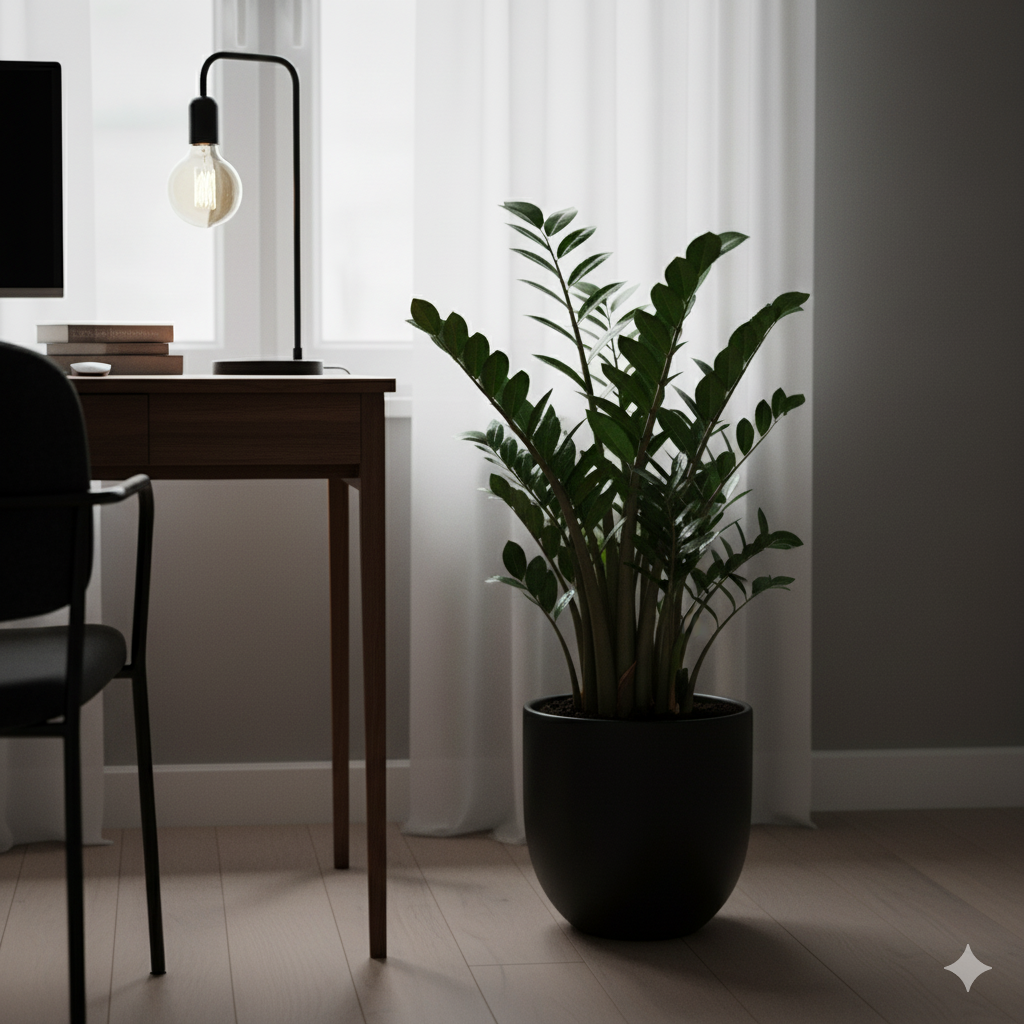
4. ZZ Plant (Zamioculcas zamiifolia)
If you forget to water, the ZZ Plant will still forgive you. This glossy, upright plant is one of the best low maintenance indoor plants and a top pick for offices, apartments, and shaded rooms.
Native to East Africa, the ZZ Plant stores water in its thick, waxy stems and roots, allowing it to survive weeks without care. It tolerates almost any environment — from dim corners to fluorescent-lit rooms — and continues to look healthy.
It’s often listed among the best indoor plants for dark rooms because it can live with almost no direct sunlight. Water it sparingly — about once every two weeks — and let the soil dry completely between waterings.
For best results, use a well-draining potting mix made of peat, sand, and perlite. Avoid heavy soil, which traps moisture. Fertilize only three or four times a year with a balanced best fertilizer for indoor plants.
The ZZ Plant’s smooth, green leaves reflect light, instantly brightening dull spaces. It’s also a natural air purifier, removing common toxins and improving overall indoor air quality.
Why it’s great:
- Thrives in dark corners and under artificial light.
- Needs minimal watering and care.
- Perfect for homes or offices with limited sunlight.
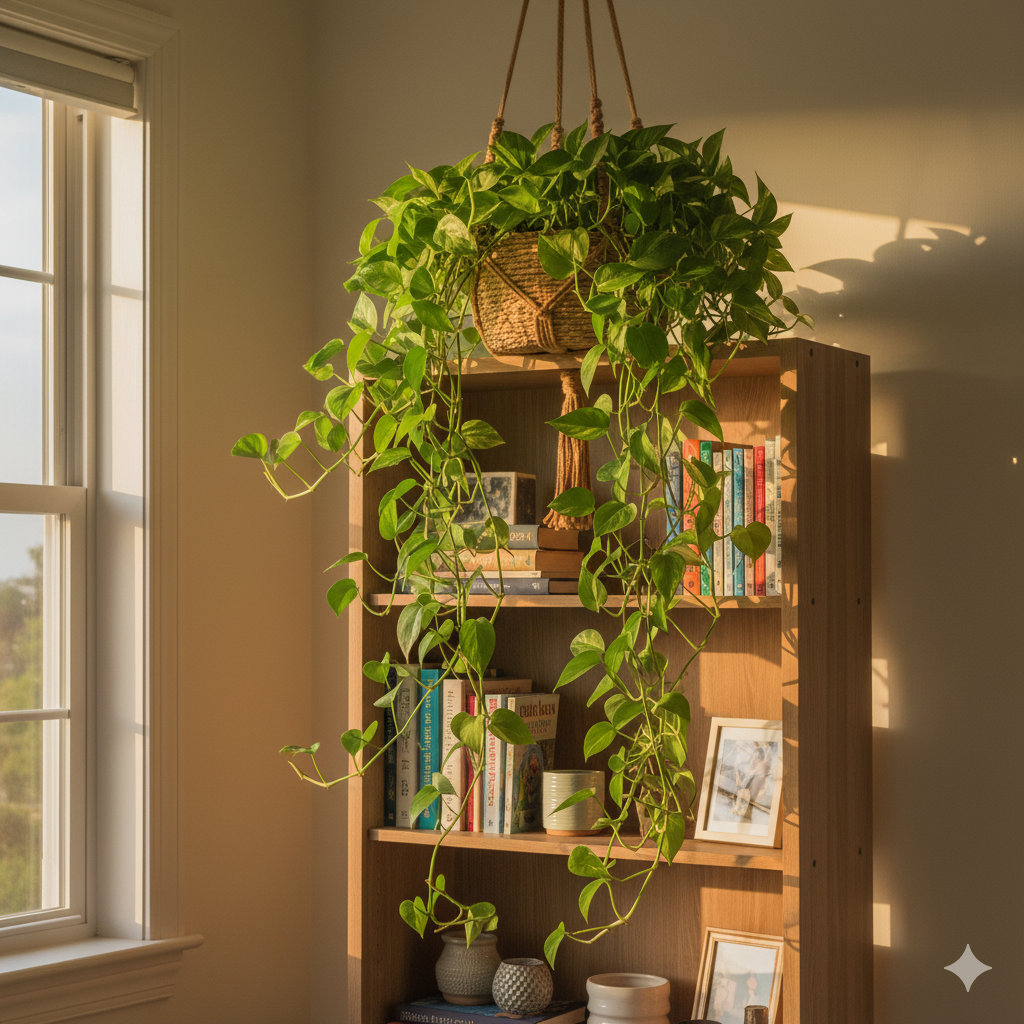
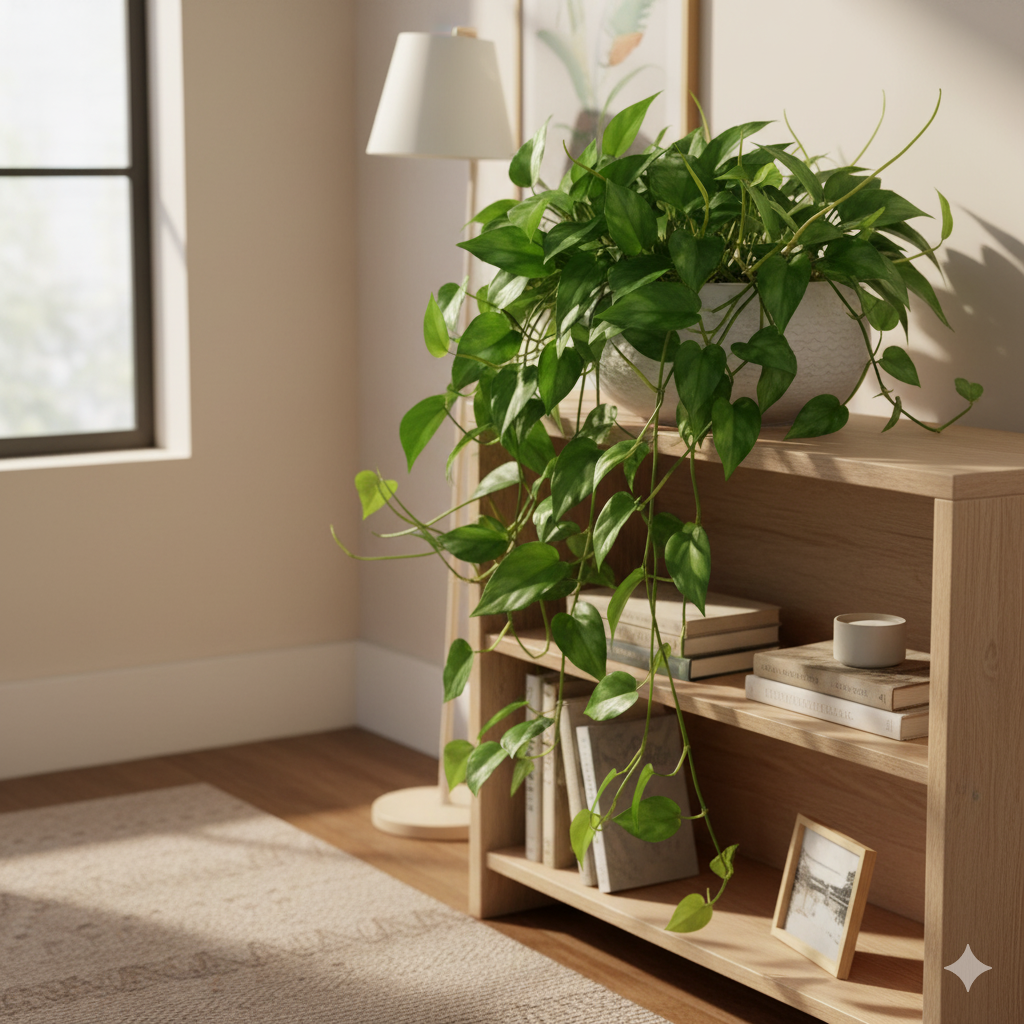
5. Pothos (Epipremnum aureum)
Pothos is a classic indoor favorite — trailing, fast-growing, and almost impossible to kill. It’s one of the best low light indoor plants and a top choice for beginners.
This vine grows beautifully in hanging baskets, on bookshelves, or climbing along a trellis. It tolerates both low and bright light, but its variegated leaves show better color in moderate lighting. In dim areas, it stays green and lush.
Water only when the top inch of soil feels dry, and use a well-draining potting mix with perlite or bark chips. Avoid overwatering — it’s the only way to hurt this forgiving plant.
Pothos is known for its ability to absorb indoor pollutants, making it one of the best indoor plants for air quality and best indoor plants for clean air. Its long vines can reach several feet, creating a dramatic cascading effect.
To encourage bushier growth, prune the ends occasionally. You can propagate new plants easily by placing stem cuttings in water — they root within days.
Why it’s great:
- Easy to grow and propagate.
- Excellent for hanging baskets or shelves.
- Cleans indoor air and tolerates low light.
6. Cast Iron Plant (Aspidistra elatior)
True to its name, the Cast Iron Plant is nearly indestructible. It’s one of the best indoor plants for low light and best indoor plants for dark rooms, able to survive where most plants fail.
This slow-growing, leafy plant originated in Japan and thrives in shaded or neglected areas. It has dark green, glossy leaves that can grow up to two feet tall, giving a rich, lush appearance even in low light.
It’s perfect for hallways, basements, and bathrooms — anywhere sunlight is scarce. Water it lightly every 10–14 days, and use the best soil for indoor plants no bugs — a mixture of peat, compost, and coarse sand. Avoid soggy conditions.
Feed with a mild indoor plant fertilizer once every 6–8 weeks during spring and summer. Wipe the leaves occasionally to remove dust and restore shine.
The Cast Iron Plant is non-toxic and extremely forgiving — ideal for homes with pets or kids. It’s also a quiet visual anchor, balancing colorful or flowering plants around it.
Why it’s great:
- Handles neglect and low light.
- Pet-friendly and non-toxic.
- Adds rich, dark foliage for visual contrast.
Best Indoor Plants for Living Rooms and Decor
Your living room is the heart of your home — where you relax, host guests, and unwind after a long day. The right plants add warmth, color, and natural energy to this space. These best indoor plants for living room ideas bring both style and health benefits.
7. Fiddle Leaf Fig (Ficus lyrata)
Few plants make a statement like the Fiddle Leaf Fig. With its large, glossy leaves and sculptural shape, it’s a favorite among interior designers and homeowners alike. This plant stands tall and elegant, making it one of the best large indoor plants for bright, open rooms.
Fiddle Leaf Figs prefer bright, indirect light — ideally near a window with filtered sun. Too much direct light can scorch the leaves, while low light causes them to drop. Rotate the pot every few weeks to keep it growing evenly.
Use a well-draining potting mix that retains some moisture but never becomes soggy. The best soil for indoor plants is one that includes peat moss, pine bark, and perlite. Water when the top inch of soil feels dry — usually once a week — and wipe the leaves occasionally to remove dust.
Feed monthly during spring and summer with a balanced liquid fertilizer or best plant food for indoor plants. Fiddle Leafs thrive on routine — avoid moving them too often or exposing them to cold drafts.
Styling Tip:
Place your Fiddle Leaf Fig in a tall planter to emphasize its height, and pair it with minimal furniture for a clean, modern look.
Why it’s great:
- Adds height and elegance to any room.
- Improves air quality while boosting décor.
- Works beautifully with modern and minimalist interiors.

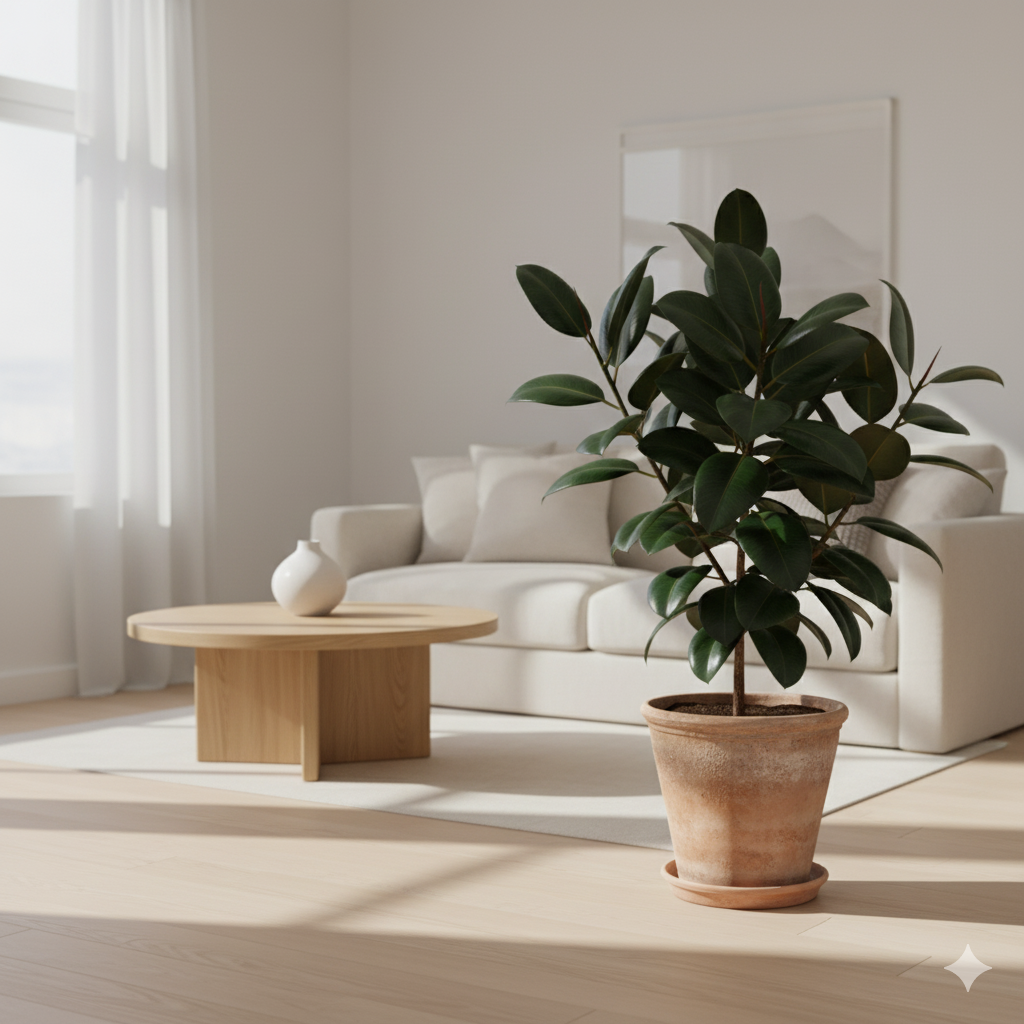
8. Rubber Plant (Ficus elastica)
If you want something striking yet easy to care for, the Rubber Plant is an excellent choice. Known for its thick, glossy leaves and upright growth, it’s one of the best indoor plants for home when you want a bold, sculptural look.
Rubber Plants tolerate medium to bright indirect light, though they can adapt to lower light over time. Their broad leaves help clean the air by absorbing toxins, making them one of the best indoor plants for air purification.
They like consistent moisture — water when the top two inches of soil feel dry. Too much water can cause leaf drop. Use the best potting mix for indoor plants, ideally containing peat, compost, and perlite for both drainage and nutrition.
Feed monthly with a diluted best fertilizer for indoor plants during growing seasons. Keep them near east- or west-facing windows for balanced light exposure.
For décor, the Rubber Plant fits perfectly in living rooms, offices, or entryways. Its dark, shiny foliage pairs beautifully with light walls and wood tones.
According to Clemson University Extension, plants like the Rubber Plant are effective at removing carbon dioxide and certain volatile compounds from indoor air ( (3) ).
Why it’s great:
- Powerful air purifier.
- Easy to maintain with minimal fuss.
- Great for modern or bohemian interiors.
9. Monstera Deliciosa (Swiss Cheese Plant)
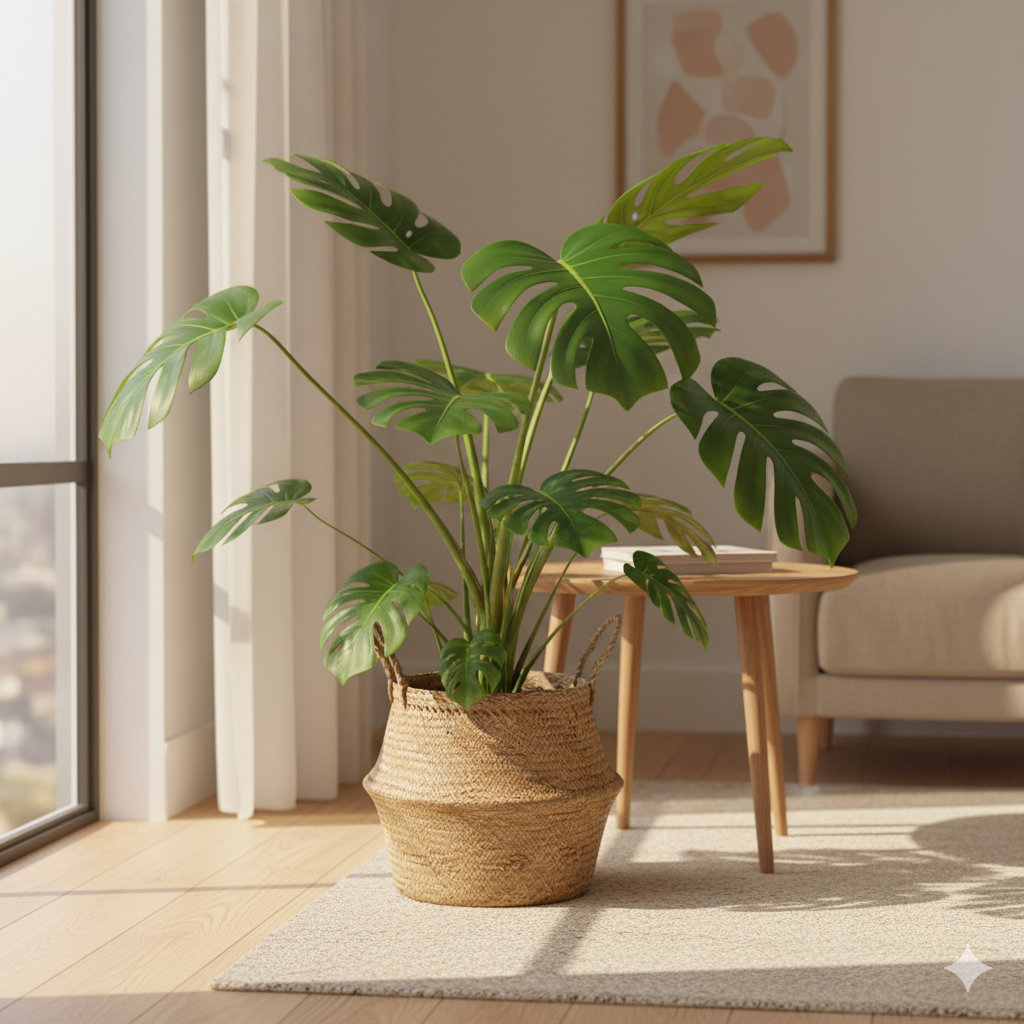
Monstera Deliciosa is a showstopper — lush, tropical, and full of personality. Its distinctive split leaves instantly add drama and texture to any space, making it one of the best indoor plants for living room décor.
This plant thrives in bright, indirect light but tolerates partial shade. It prefers consistent moisture but hates soggy soil. Use the best potting soil for indoor plants — a chunky mix with bark, peat, and perlite for good drainage.
Monstera’s large leaves naturally purify the air, earning it a place among the best indoor plants for air quality. Wipe them regularly to remove dust and enhance their natural shine.
To help it climb, provide a moss pole or trellis. Over time, the Monstera develops its iconic “holes” — a sign of a happy, mature plant. Feed every 4–6 weeks during growing season with the best plant food for indoor plants.
Styling-wise, Monsteras look incredible beside couches, in corners, or near floor-length windows. Their big, sculptural leaves bring the outdoors inside — even in city apartments.
Why it’s great:
- Iconic, tropical look for living rooms.
- Air purifying and fast-growing.
- Adds visual movement and texture.
Best Indoor Plants for Health and Stress Relief
Indoor plants don’t just beautify your space — they improve well-being. Some clean the air, while others release subtle scents that relax your body and reduce stress. These best indoor plants for health and well-being are perfect for bedrooms, bathrooms, or workspaces where calm and clarity matter most.
10. Aloe Vera (Aloe barbadensis miller)
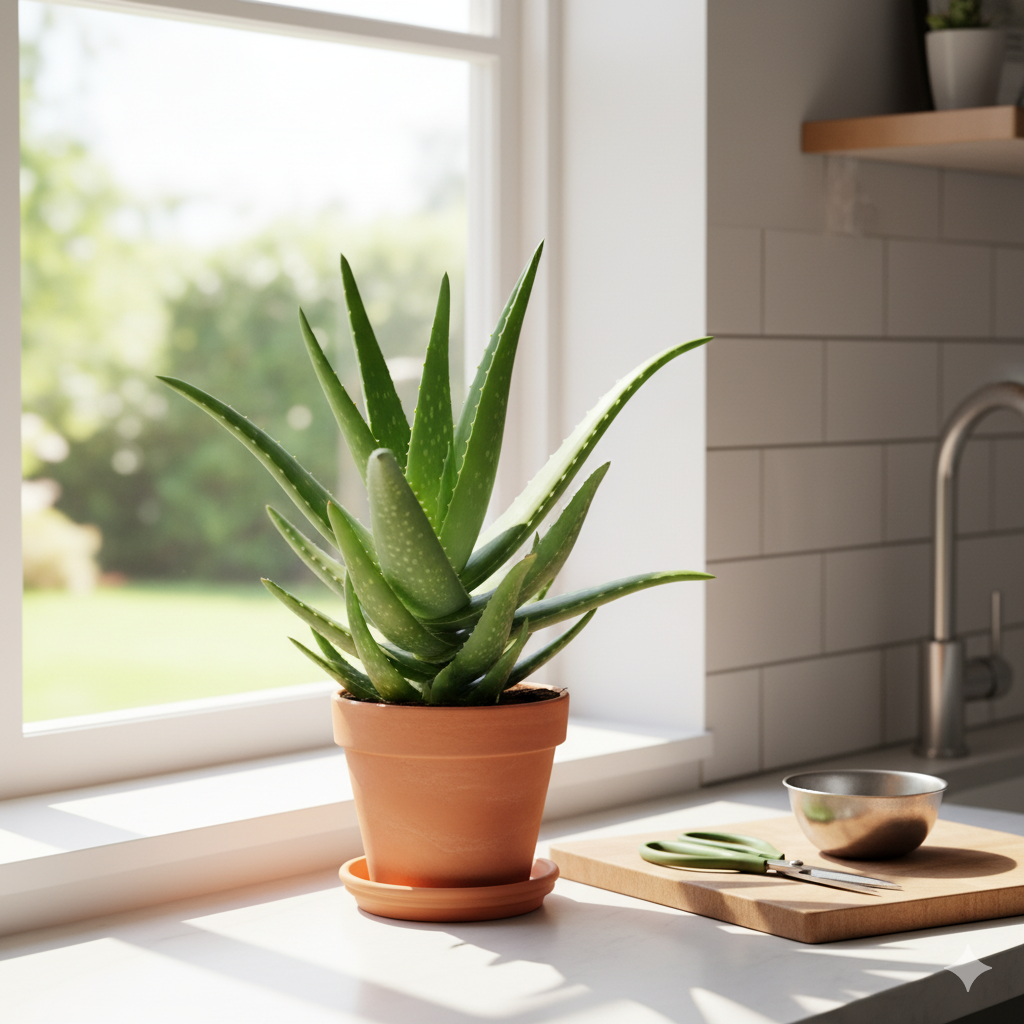
Aloe Vera is more than just a plant — it’s a mini first-aid kit that sits right on your windowsill. Known for its healing gel, Aloe Vera is one of the best indoor plants for health and skin care. The gel inside its thick, spiky leaves soothes burns, cuts, and dry skin, making it a natural remedy you can grow at home.
This plant loves sunlight, making it perfect for kitchens, balconies, or bright living rooms. It’s a succulent, so it stores water in its leaves and doesn’t need frequent watering. Let the soil dry completely between waterings — usually every two to three weeks. Overwatering is its only real enemy.
Use the best soil for indoor plants with good drainage — a cactus or succulent mix works best. Choose a pot with drainage holes to prevent root rot. Aloe Vera grows best in temperatures between 60°F and 80°F and prefers low humidity.
Feed once every 4–6 weeks in spring and summer with a mild, balanced fertilizer or best plant food for indoor plants. In winter, reduce watering and stop feeding entirely.
Healthwise, Aloe Vera also releases oxygen at night, improving air quality while you sleep. It’s a strong contender for the best indoor plants for oxygen and an excellent choice for anyone who wants a low-effort, high-benefit houseplant.
Why it’s great:
- Natural skin and health remedy.
- Purifies air and releases oxygen at night.
- Needs little care and thrives in sunlight.
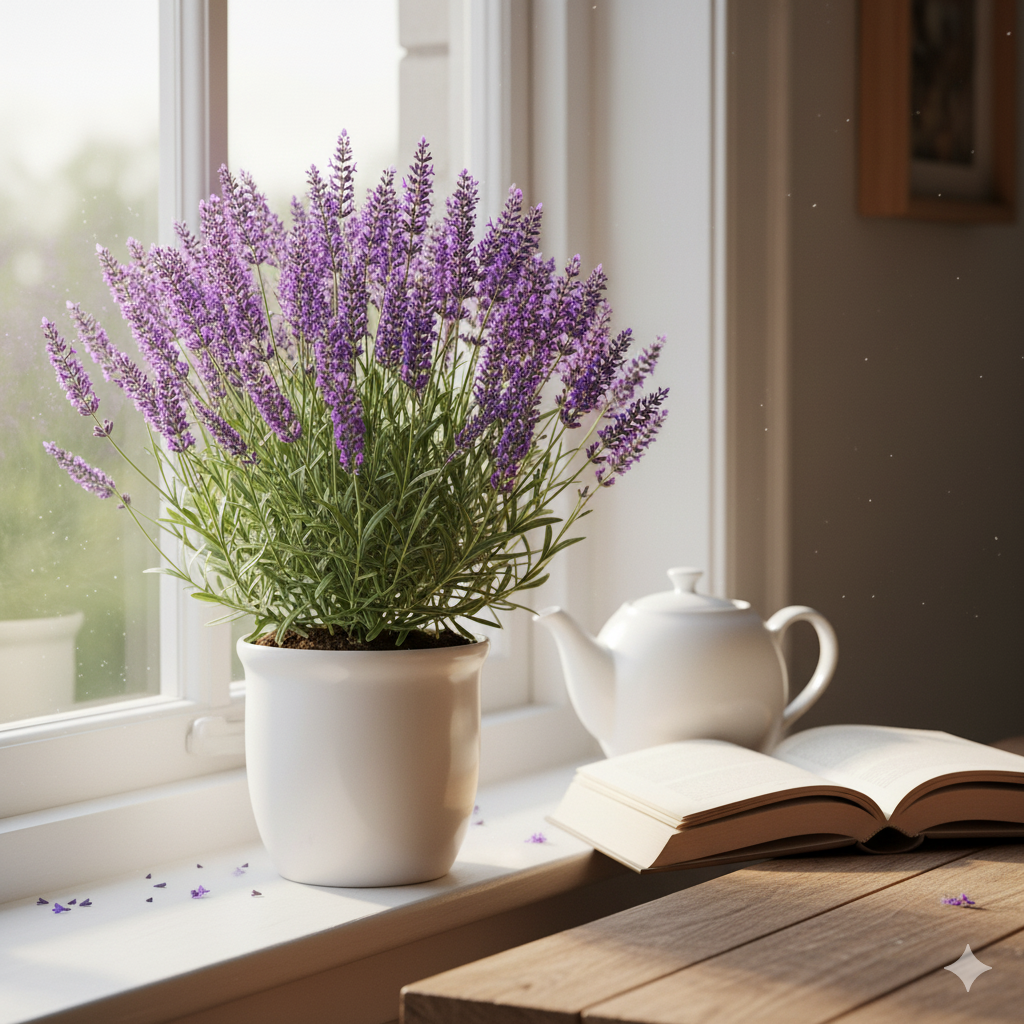
11. Lavender (Lavandula angustifolia)
Few scents calm the mind like lavender. This fragrant herb is both beautiful and therapeutic — one of the best indoor plants for health and emotional well-being. Its soft purple blooms release a scent proven to reduce anxiety and promote better sleep.
Lavender prefers bright light — ideally 6–8 hours of sun per day. Place it near a south-facing window, where it gets plenty of light and airflow. It thrives in well-drained, sandy soil. Use the best potting mix for indoor plants that’s light and airy, such as a blend of perlite, coarse sand, and peat.
Water only when the top layer of soil feels dry. Overwatering can lead to root rot. Prune faded blooms to encourage new ones and keep the plant tidy. Lavender enjoys moderate temperatures and low humidity, making it a good fit for sunny rooms, kitchens, or balconies.
Beyond its scent, lavender improves indoor air quality by naturally absorbing odors. Many homeowners use it as part of a best indoor plants for clean air routine.
You can harvest dried flowers for sachets, teas, or oils. Lavender also complements minimalist or cottage-style décor, adding both fragrance and elegance.
According to The University of Maryland Medical Center, exposure to lavender aromatherapy reduces stress hormones and improves sleep quality — supporting its use as a natural relaxation aid ( (4) ).
Why it’s great:
- Natural stress reliever and sleep enhancer.
- Adds fragrance and color to bright rooms.
- Useful for teas, oils, and decoration.
Best Indoor Plants for Beginners and Low Maintenance
If you want plants that practically take care of themselves, these are for you. Both the Spider Plant and Philodendron have stood the test of time — they’re hardy, forgiving, and excellent at purifying indoor air.
12. Spider Plant (Chlorophytum comosum)
The Spider Plant is a timeless favorite and one of the best low maintenance indoor plants you can own. Recognized for its arching green-and-white striped leaves, this plant looks elegant in hanging baskets, on shelves, or as a tabletop accent.
It’s also one of the best indoor plants for clean air, removing formaldehyde and xylene from your environment. According to the University of Florida IFAS Extension, Spider Plants are resilient growers that thrive under minimal care and adapt to varying light levels ( (5) ).
Spider Plants grow well in bright, indirect light but also tolerate partial shade — making them ideal for kitchens, living rooms, or even offices. Water once a week, allowing the soil to dry slightly between watering sessions. They don’t like soggy roots, so make sure the pot drains well.
For soil, use a light, well-draining mix of peat, perlite, and compost. Feed monthly during spring and summer with a diluted best fertilizer for indoor plants or liquid houseplant food.
Over time, your Spider Plant will produce small baby plants, or “spiderettes,” on long stems. These can be clipped and replanted to grow new plants easily — perfect for sharing or expanding your indoor jungle.
Styling tip: Hang your Spider Plant in a macrame holder near a window, or place it on a floating shelf to highlight its cascading shape.
Why it’s great:
- Extremely forgiving and resilient.
- Cleans the air and brightens small spaces.
- Produces baby plants that are easy to propagate.

13. Philodendron (Heartleaf or Brasil)
Philodendrons are among the most beloved best indoor plants for beginners — easy to care for, fast-growing, and versatile in décor. The Heartleaf Philodendron, with its glossy heart-shaped leaves, is a staple for cozy living rooms, bedrooms, or offices.
This tropical vine thrives in low to moderate light, though it prefers bright, indirect sunlight. It’s also highly tolerant of lower humidity, making it perfect for indoor spaces.
Water once the top inch of soil feels dry. Philodendrons prefer evenly moist soil but not standing water. Use the best soil for indoor plants no bugs — ideally, a mix with peat, perlite, and pine bark for aeration and drainage.
These plants grow quickly and can be trained to climb poles, trellises, or even walls. They also look great cascading from hanging planters or shelves. Regular pruning keeps them bushy and prevents legginess.
Feed every 4–6 weeks during the growing season with a mild liquid fertilizer or best plant food for indoor plants. If the leaves start yellowing, it’s often a sign of overwatering — simply let the soil dry more thoroughly before watering again.
Beyond their beauty, Philodendrons are excellent natural air filters, improving indoor air quality and removing toxins. Their lush foliage gives any room a tropical, inviting feel.
Why it’s great:
- Fast-growing, forgiving, and easy to train.
- Excellent air purifier for any room.
- Thrives in low light and average humidity.
Specialty Indoor Plants and Statement Choices
Some plants do more than just add greenery — they transform a room. These statement plants instantly elevate your space with bold shapes, lush foliage, and a natural wow factor. They’re perfect if you want your home to feel like a sanctuary without turning it into a full jungle.
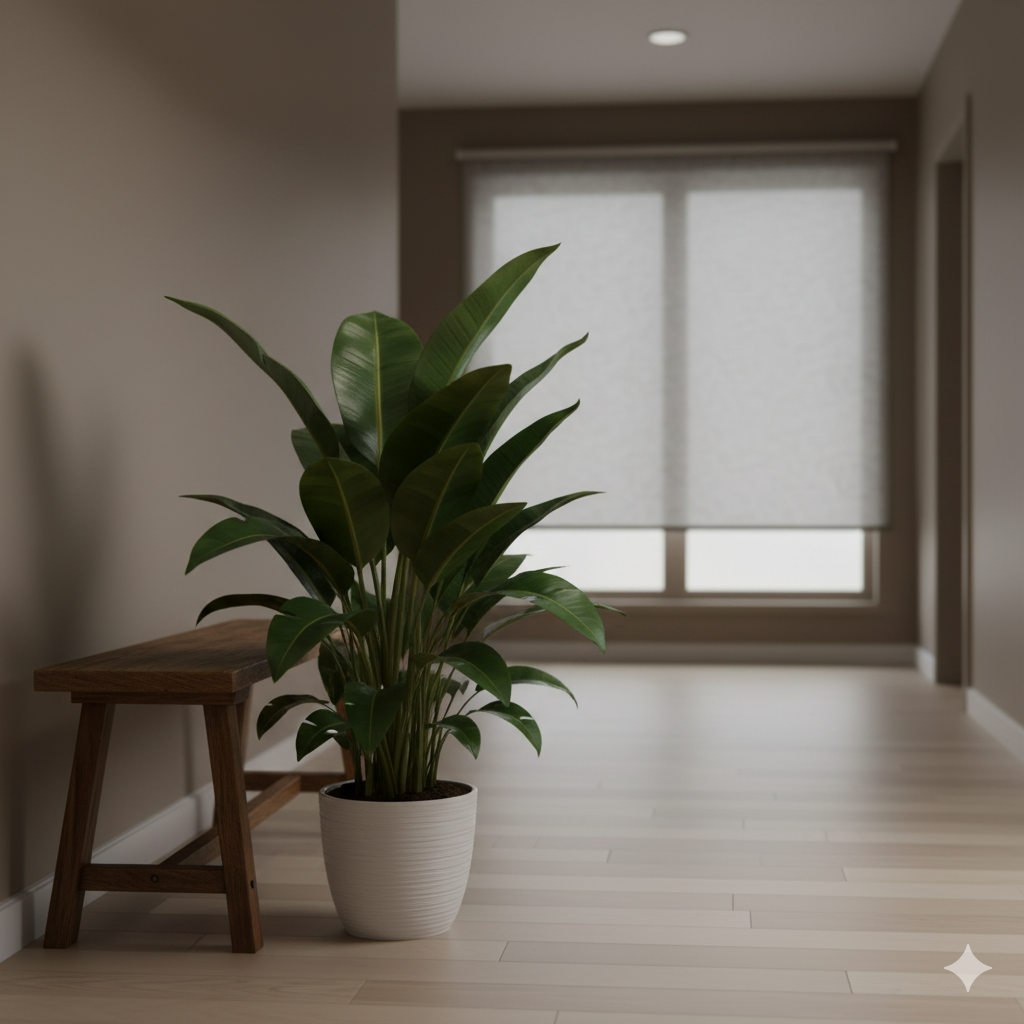
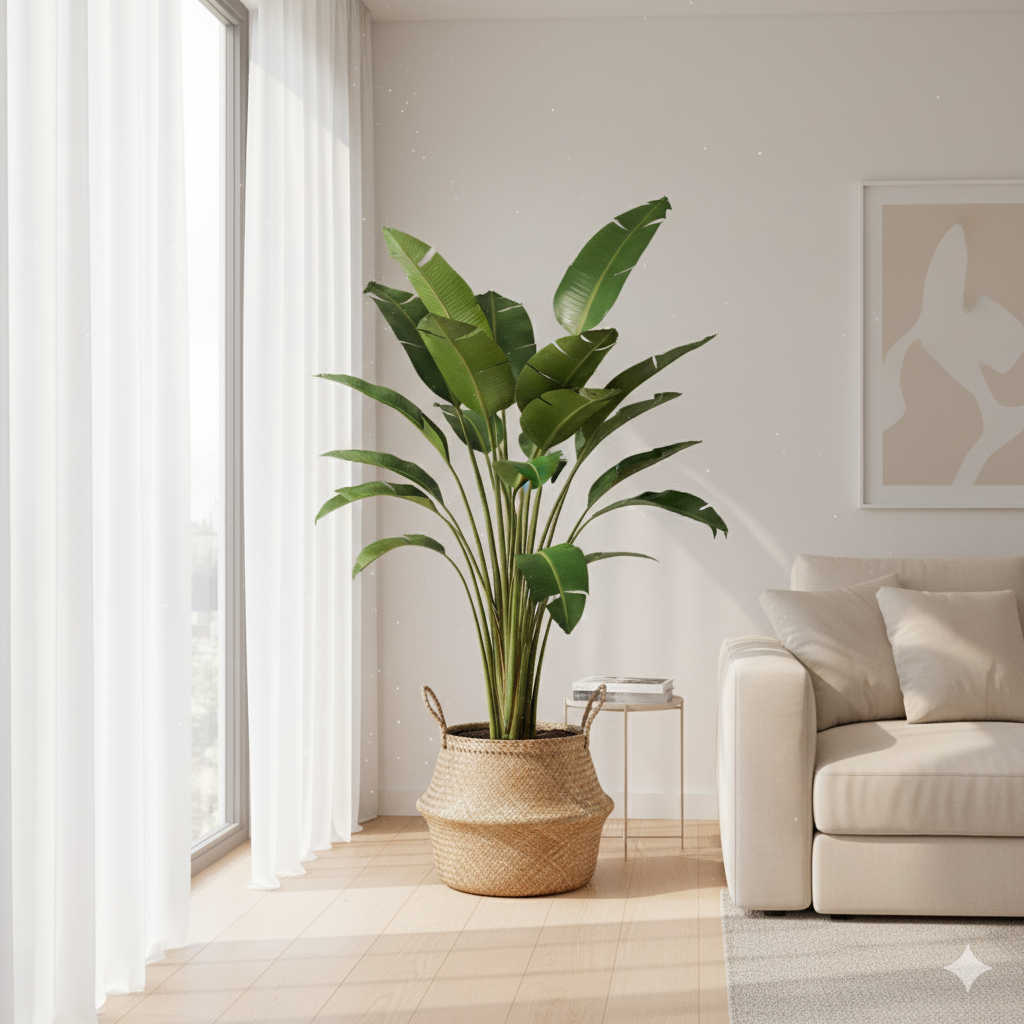
14. Bird of Paradise (Strelitzia reginae)
The Bird of Paradise is the centerpiece of modern indoor design. With its large, banana-like leaves and vibrant flowers that resemble tropical birds, it’s one of the best large indoor plants for adding drama and movement to your space.
Native to South Africa, this plant thrives in bright, indirect light — the more light it gets, the larger and glossier its leaves become. In optimal conditions, it can even bloom indoors with orange and blue flowers that look like they’ve flown straight out of a rainforest.
To grow a healthy Bird of Paradise, place it near a window that receives strong filtered sunlight. It prefers temperatures between 65°F and 85°F and moderate humidity. If the air in your home is dry, mist the leaves occasionally or use a small humidifier nearby.
Use the best potting soil for indoor plants — one that drains well yet retains moisture, such as a mix of compost, peat moss, and perlite. Water thoroughly once the top two inches of soil dry out. In winter, reduce watering frequency to prevent root rot.
Feed your Bird of Paradise every 3–4 weeks in spring and summer with a balanced liquid fertilizer or best plant food for indoor plants. Wipe the leaves gently with a damp cloth to remove dust and keep their deep green shine.
Styling tip: Place it in a woven or ceramic pot beside a window or sofa to make it the visual anchor of your living room. Its tall, upright leaves create an instant statement that complements modern, minimalist, or boho décor.
According to the University of Wisconsin Horticulture Division, plants like the Bird of Paradise improve indoor microclimates by releasing moisture and lowering air pollutants through transpiration ( (6) ).
Why it’s great:
- Adds height, drama, and tropical appeal.
- Improves indoor humidity and air quality.
- Works as a bold statement piece for large rooms.
15. Chinese Evergreen (Aglaonema)
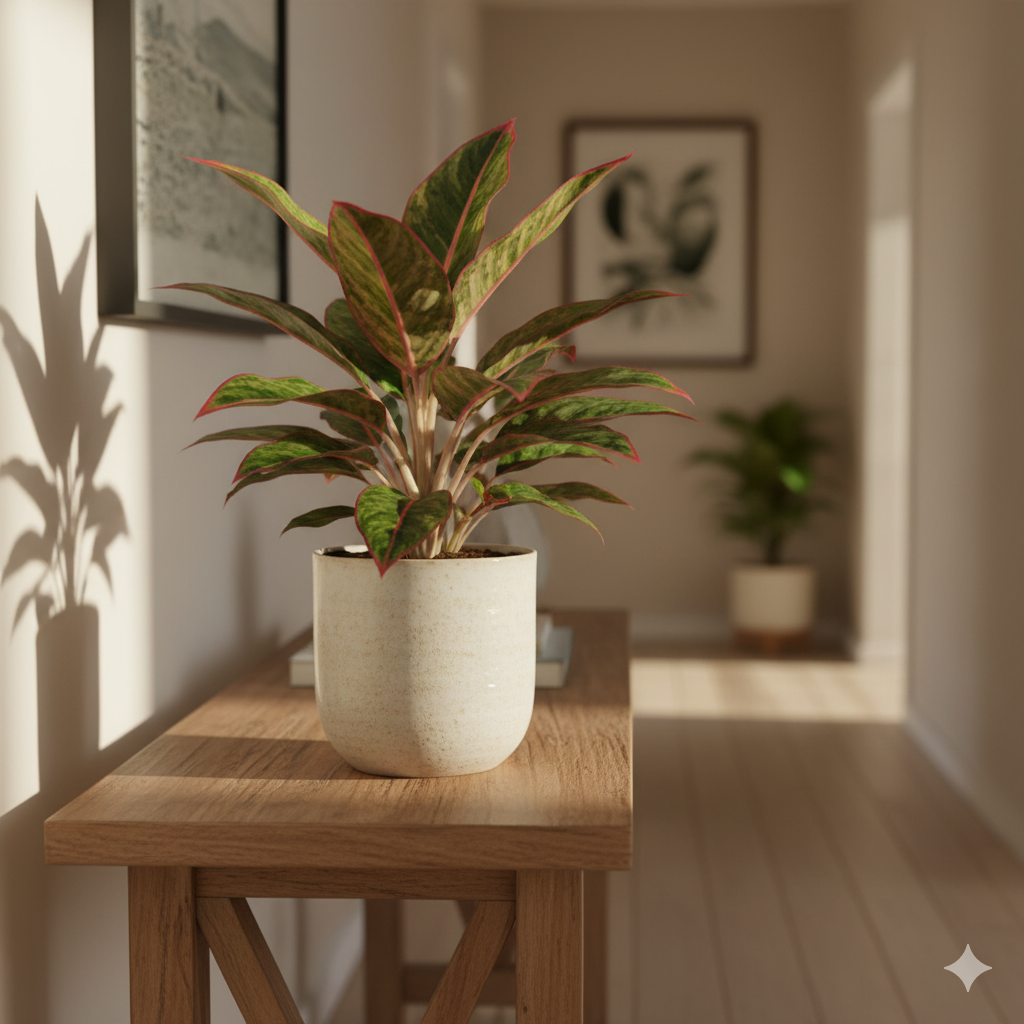
The Chinese Evergreen is the definition of easy elegance — lush, colorful, and adaptable. It’s one of the best indoor plants for low light and among the easiest to care for, making it perfect for busy homeowners or offices.
This tropical beauty has striking, patterned leaves that come in shades of green, silver, pink, and red. It grows compactly, making it a good choice for small apartments or tabletops. Despite its exotic look, it’s incredibly hardy and thrives with minimal care.
Chinese Evergreens prefer low to medium light and can tolerate artificial light. They’re often featured in office lobbies and shaded corners where most plants would struggle. Keep them out of direct sunlight, which can scorch their leaves.
Water every 10–14 days, letting the soil dry slightly between watering sessions. Use a well-draining potting mix rich in peat and perlite. These plants prefer warmth — around 70°F to 80°F — and dislike cold drafts.
Feed every 6–8 weeks with a balanced best fertilizer for indoor plants. Wipe the leaves with a damp cloth to keep them glossy and dust-free. If you want a pop of color in your home, varieties like Aglaonema ‘Siam Aurora’ or ‘Silver Queen’ bring vibrant, variegated leaves that light up darker spaces.
One reason homeowners love the Chinese Evergreen is its ability to adapt. Whether you place it in a living room, bedroom, or office, it quietly improves air quality while adding color and texture.
Why it’s great:
- Tolerates low light and minimal care.
- Colorful, decorative foliage brightens any space.
- Compact size fits small rooms or tabletops.
Care Essentials for Indoor Plants
Caring for indoor plants doesn’t have to be complicated. Once you understand the basics — light, soil, watering, and feeding — your plants will thrive in any room. Whether you own a Fiddle Leaf Fig, Peace Lily, or Snake Plant, these same rules apply.
Light
Light is the most important factor for growth. Most of the best indoor plants for home prefer bright, indirect sunlight — the kind filtered through curtains or reflected from walls.
- Bright-light plants like Bird of Paradise and Fiddle Leaf Fig need strong light near windows.
- Low-light plants like ZZ Plant and Chinese Evergreen do fine in shaded corners or offices with artificial light.
If your room lacks sunlight, use the best grow lights for indoor plants to supplement natural light. LED grow lights are efficient and mimic daylight conditions without overheating.
Soil
The right soil mix supports strong roots and prevents rot. Use the best potting soil for indoor plants that’s light, airy, and drains well.
- Mix equal parts peat moss, perlite, and compost for general houseplants.
- For succulents like Aloe Vera, use a cactus mix with sand or pumice.
- For tropical plants, add bark chips to improve airflow.
Avoid compacted or garden soil, which traps moisture and bugs. For hygiene, use sterilized best soil for indoor plants no bugs purchased from a trusted garden center.
Watering
More indoor plants die from overwatering than neglect. Always check soil moisture before watering. Insert your finger an inch deep — if it’s dry, it’s time to water.
Use room-temperature water and pour until it drains from the bottom of the pot. Empty saucers after watering to prevent root rot.
- Weekly watering: Peace Lily, Spider Plant, Monstera.
- Bi-weekly watering: Snake Plant, ZZ Plant, Philodendron.
- Monthly watering: Aloe Vera, Cast Iron Plant.
In winter, reduce watering by half since most plants slow their growth.
Feeding
Plants in pots rely on you for nutrients. During spring and summer, feed them monthly with the best fertilizer for indoor plants or a balanced plant food. Dilute liquid fertilizer to half-strength to avoid leaf burn.
Skip feeding during fall and winter, when plants are dormant. Slow-release fertilizer pellets also work well for busy owners — one application can last for several months.
Humidity and Temperature
Most indoor plants prefer 60–80°F and moderate humidity. Grouping plants together helps increase moisture naturally. You can also use a humidifier or place water trays nearby to create a mini microclimate.
Avoid placing plants near air conditioners, radiators, or cold drafts. These temperature extremes dry the soil too fast and stress the plant.
Quick Reference Table
| Plant Type | Light Needs | Watering Frequency | Fertilizer | Ideal Soil Mix |
|---|---|---|---|---|
| Peace Lily | Low to Medium | Weekly | Monthly | Peat + Perlite |
| Snake Plant | Low to Bright | Bi-weekly | Light Feeding | Sandy Loam |
| Aloe Vera | Bright | Every 3 Weeks | Every 6 Weeks | Cactus Mix |
| Spider Plant | Medium | Weekly | Monthly | Peat + Compost |
| Monstera | Bright, Indirect | Weekly | Monthly | Bark + Peat Mix |
| ZZ Plant | Low | Every 2 Weeks | Quarterly | Peat + Sand |
| Bird of Paradise | Bright | Weekly | Every 3–4 Weeks | Compost + Perlite |
FAQs: Common Questions About Indoor Plants
If you’re new to plant care, start with the best low maintenance indoor plants such as Spider Plant, ZZ Plant, or Snake Plant. These plants adapt to low light, tolerate irregular watering, and are highly forgiving. The Philodendron is another excellent beginner option — it grows quickly and thrives in ordinary home conditions with little fuss.
The best indoor plants for clean air and oxygen include Peace Lily, Areca Palm, and Snake Plant. These varieties remove toxins like benzene and formaldehyde while releasing oxygen.
According to the NASA Clean Air Study, houseplants like these can help purify indoor spaces when used in combination with good ventilation and humidity control
Always use the best soil for indoor plants no bugs — a sterilized, well-draining potting mix. Combine peat moss, perlite, and compost for most plants. For succulents like Aloe Vera, use a gritty cactus mix with sand or pumice. Avoid garden soil, which may contain insects or fungi. Sterilized, bagged potting soil from reputable garden centers prevents pest infestations and keeps roots healthy.
During spring and summer, feed your plants monthly using the best fertilizer for indoor plants or a diluted liquid plant food. For slow growers such as Cast Iron Plant or ZZ Plant, fertilizing every 2–3 months is enough.
Always skip feeding in winter when plants are dormant. Over-fertilizing can burn roots and yellow leaves, so less is better than more.
For low light or dark rooms, choose hardy options like ZZ Plant, Cast Iron Plant, or Chinese Evergreen. These plants thrive in dim corners and even under artificial light. They’re perfect for spaces without direct sunlight, such as hallways or work offices.
If your space has no windows at all, consider using the best grow lights for indoor plants to mimic natural daylight. This keeps your plants photosynthesizing even indoors.
Conclusion: Bring Nature Home, One Plant at a Time
Indoor plants do far more than decorate — they change how your home feels. Whether you’re looking for the best indoor plants for clean air, the best low maintenance indoor plants, or something to brighten a shaded room, there’s a plant for every space and every skill level.
The key is to start simple. Choose one or two plants that match your lighting and lifestyle — maybe a Snake Plant for your bedroom or a Peace Lily for your office. Once you see how they thrive, you’ll naturally want to grow your collection.
Remember, plants reward consistency, not perfection. Water only when needed, use the best soil for indoor plants, and feed occasionally with a light fertilizer. Keep leaves clean and give them gentle light — and they’ll return the favor by purifying your air, reducing stress, and lifting your mood every single day.
Nurturing plants indoors not only improves air quality but also enhances focus, relaxation, and emotional well-being.
Whether you live in a city apartment or a house with sunny windows, these 15 best indoor plants prove that nature belongs everywhere. Add one to your space today — and bring life, freshness, and calm back into your home.
Like this story? Get more like it.
We respect your privacy. Unsubscribe anytime.