
Small Backyard Patio Design Ideas
Small backyard patio design ideas often lead to some of the most creative outdoor spaces. When space is limited, you have to think smart and plan carefully. The reward is a cozy, low-maintenance area that feels personal and inviting.
You don’t need a large yard to enjoy outdoor living. A small patio can hold a dining set, a lounge chair, or even a compact fire pit. The goal is to use smart design to make the space feel open, comfortable, and connected to nature.
Homeowners who learn how to design a patio for a small yard often discover that less really can be more. With the right materials, lighting, and furniture, you can build a backyard escape that fits your life and your budget.
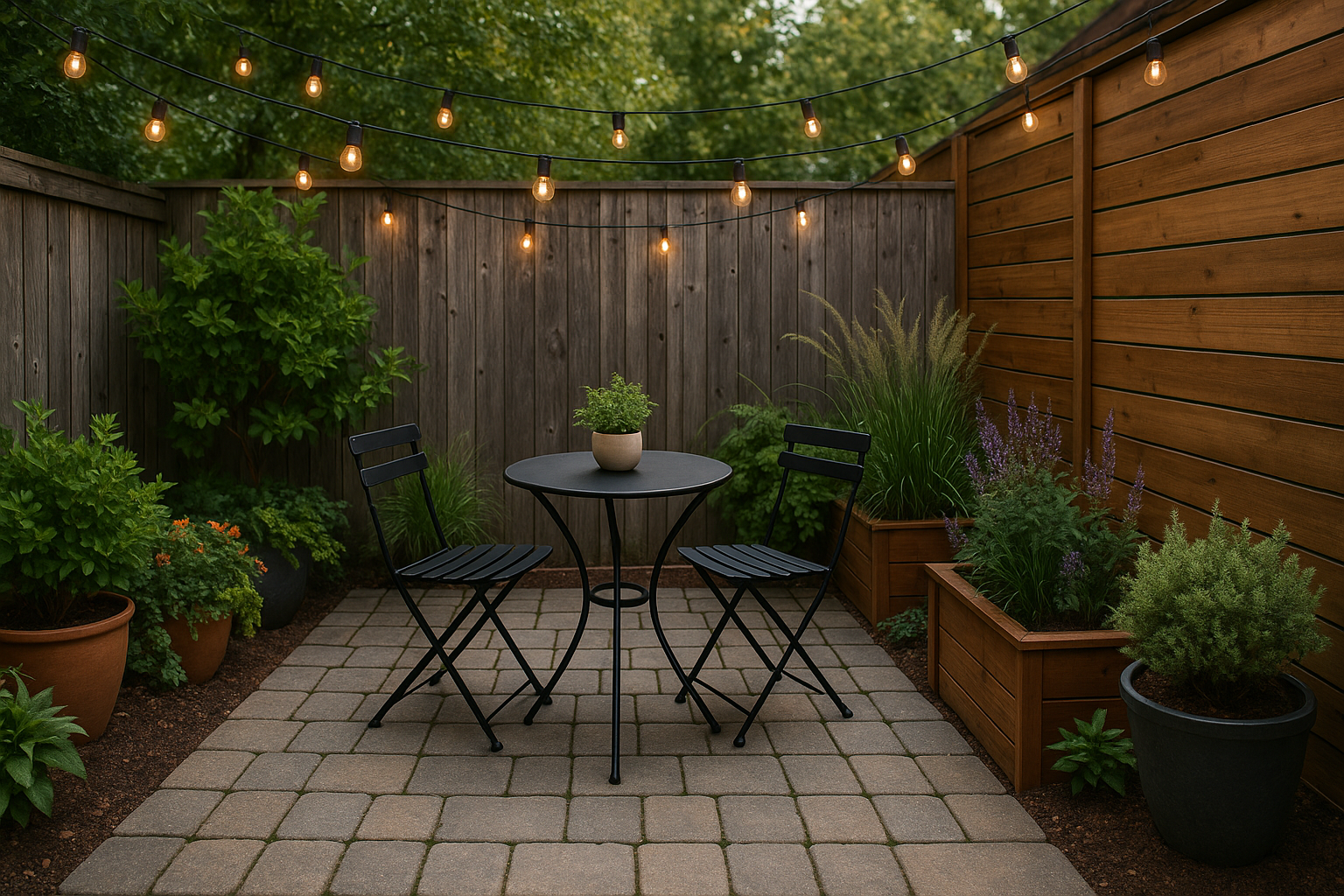
Plan Your Space First
Every great small backyard patio starts with a plan. Careful planning helps you make the most of limited space and keeps the layout functional.
Measure and Observe
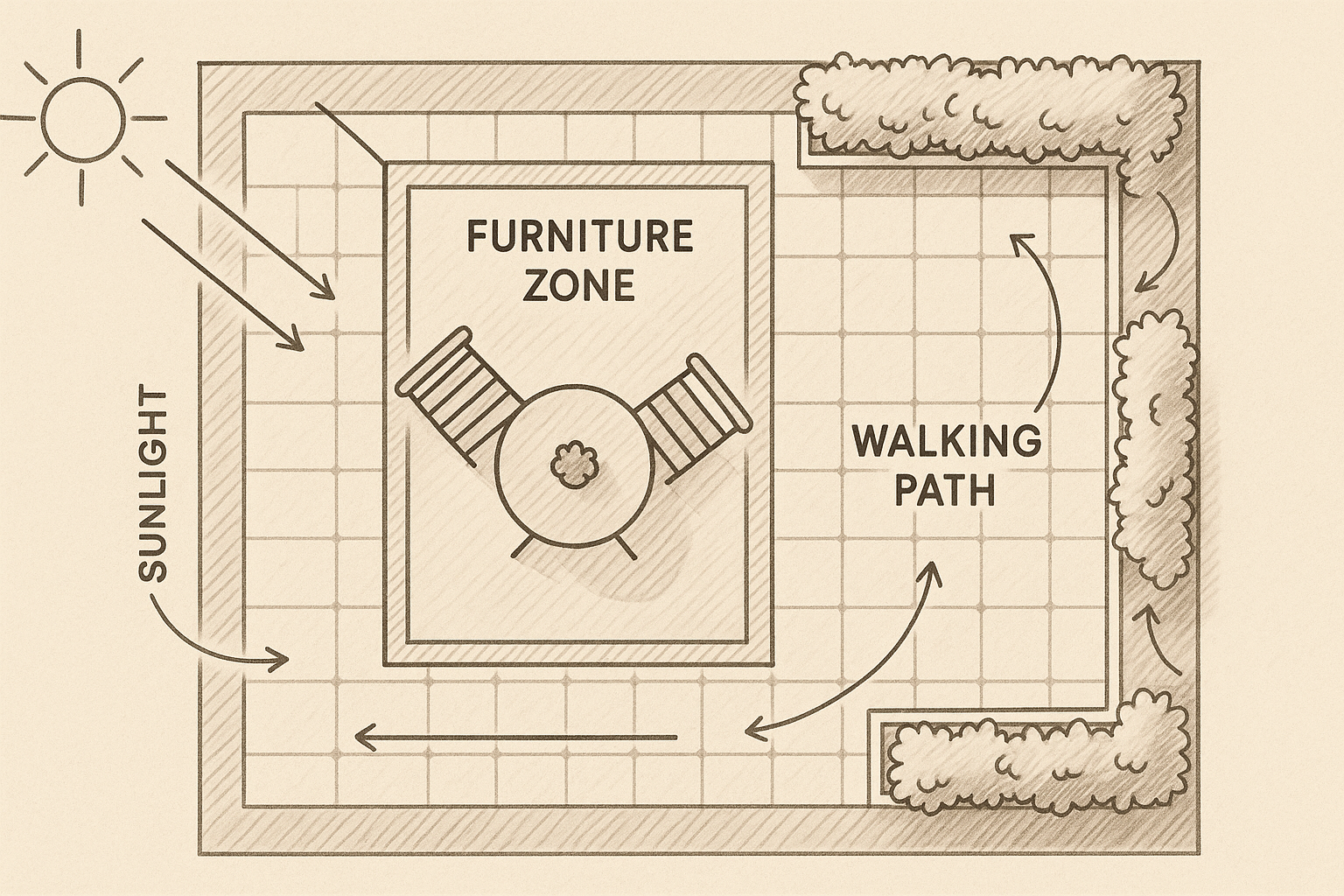
Begin by measuring your yard. Note the length, width, and shape. Watch how sunlight moves through the day. Morning sun is perfect for coffee spots, while shaded corners suit evening relaxation.
According to a landscape design study from the University of Illinois Extension, understanding how people move and use outdoor spaces leads to better comfort and flow (1). Before placing anything, think about where you’ll walk, sit, and store items.
Decide the Purpose
A small outdoor patio layout works best with a single main purpose. Ask yourself what you want most:
- A quiet reading nook
- A dining area for meals outdoors
- A lounge for relaxing with family
Once you choose the purpose, picking materials, lighting, and furniture becomes easier. Each element should match your goal.
Sketch the Layout
Draw a simple plan on paper or use a free design tool. Mark where furniture, planters, and paths will go. Keep at least two to three feet of open space for walking. Tight layouts make small patios feel smaller, while open walkways make them feel larger.
| Patio Size | Best Use | Furniture Idea |
|---|---|---|
| 8×8 ft | Coffee nook | Bistro table with two chairs |
| 10×10 ft | Dining area | Square table with four folding chairs |
| 12×14 ft | Lounge zone | Loveseat, side table, and planters |
Planning first turns small backyard patio design ideas into outdoor spaces that feel both open and welcoming.
Choose the Right Patio Materials
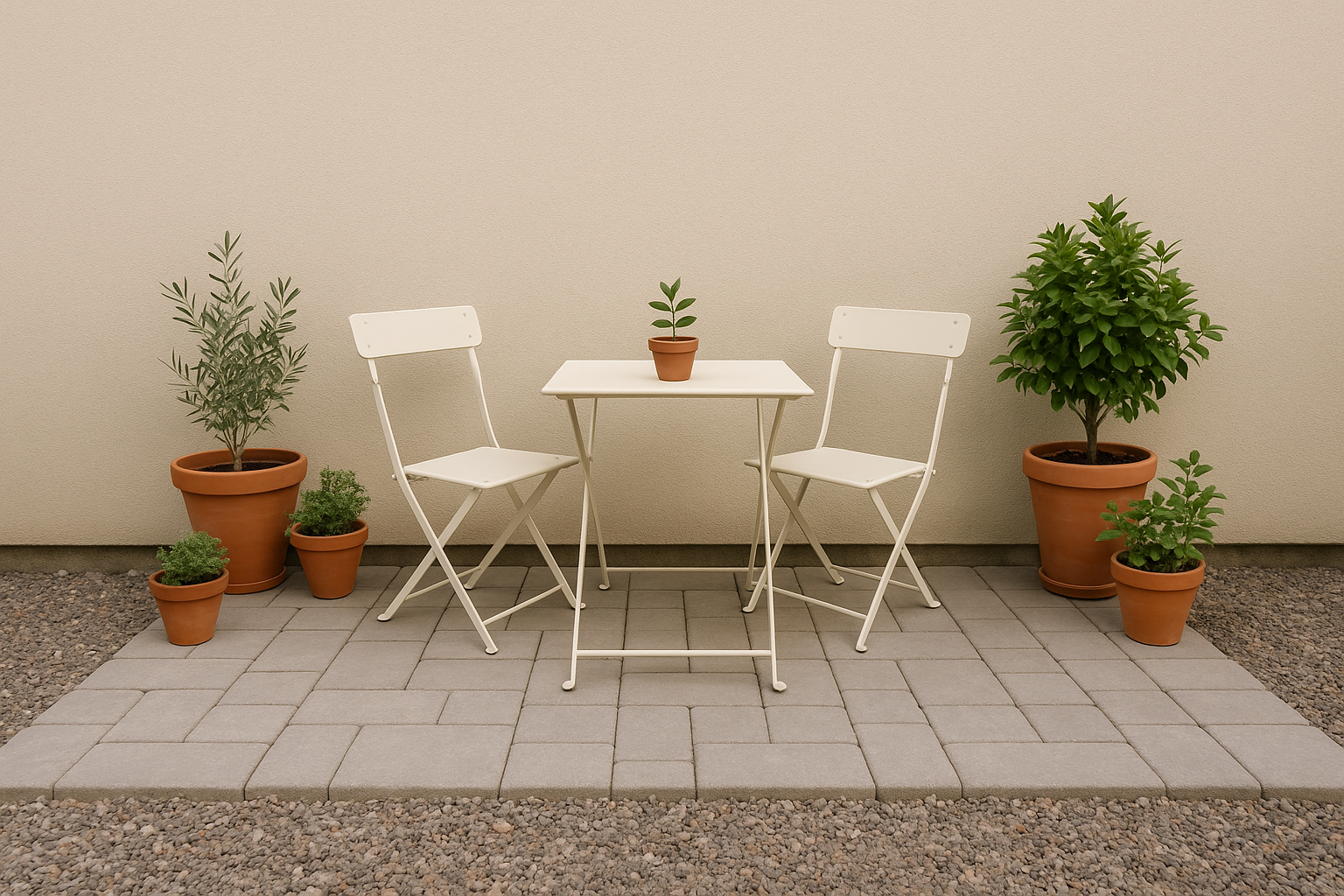
The materials you pick can make or break a small patio. The right surface sets the tone, affects comfort, and controls how easy it is to maintain.
Compare Popular Options
Here are four good choices for small backyard patios:
| Material | Look | Pros | Cons |
|---|---|---|---|
| Concrete | Clean and modern | Durable, affordable | Can crack if not sealed |
| Pavers | Classic or decorative | Easy to replace, many styles | Needs level base |
| Gravel | Rustic and casual | Cheap, drains well | Can scatter easily |
| Wood or composite decking | Warm and natural | Comfortable underfoot | Needs regular care |
According to the Iowa State University Extension, homeowners should consider how each material handles water drainage, maintenance, and long-term wear before deciding (2). In small spaces, these details matter more because repairs or updates affect the whole area.
Blend Materials for Interest
Mixing materials can make a small patio more dynamic. Try pavers with gravel borders or a concrete slab framed with bricks. These contrasts add texture and help define zones, like separating a dining area from a lounging area.
Think About Drainage
Every patio needs good drainage. Slight slopes or gravel bases keep water from pooling. Poor drainage can damage furniture, attract pests, and shorten the life of your patio.
Smart Furniture Choices for Small Patios
When space is tight, the furniture you choose becomes crucial. The best furniture for small patio spaces is comfortable, light, and easy to move.
Pick Scaled-Down Pieces
Avoid oversized chairs and bulky tables. Look for:
- Bistro sets that fit two people
- Benches that double as storage
- Folding chairs or nesting tables
Furniture that folds or stacks helps you change the setup quickly when guests visit.
Use Light Colors and Slim Profiles
Light-colored furniture reflects sunlight and keeps the patio bright. Slim legs and open designs allow more floor to show, making the space feel bigger.
According to the University of Missouri Extension, lighter materials and open frames reduce visual clutter, which helps small patios feel more spacious (3) .
Arrange for Easy Flow
Keep at least two feet of walking space between furniture pieces. Angle chairs toward a focal point like a planter or fire bowl. This creates a natural flow and helps conversation feel relaxed.
Add Vertical and Layered Greenery
Plants can turn a small patio into a peaceful outdoor room. The trick is to go up, not out. When floor space is limited, vertical gardening creates color and texture without clutter.
Grow Up, Not Out
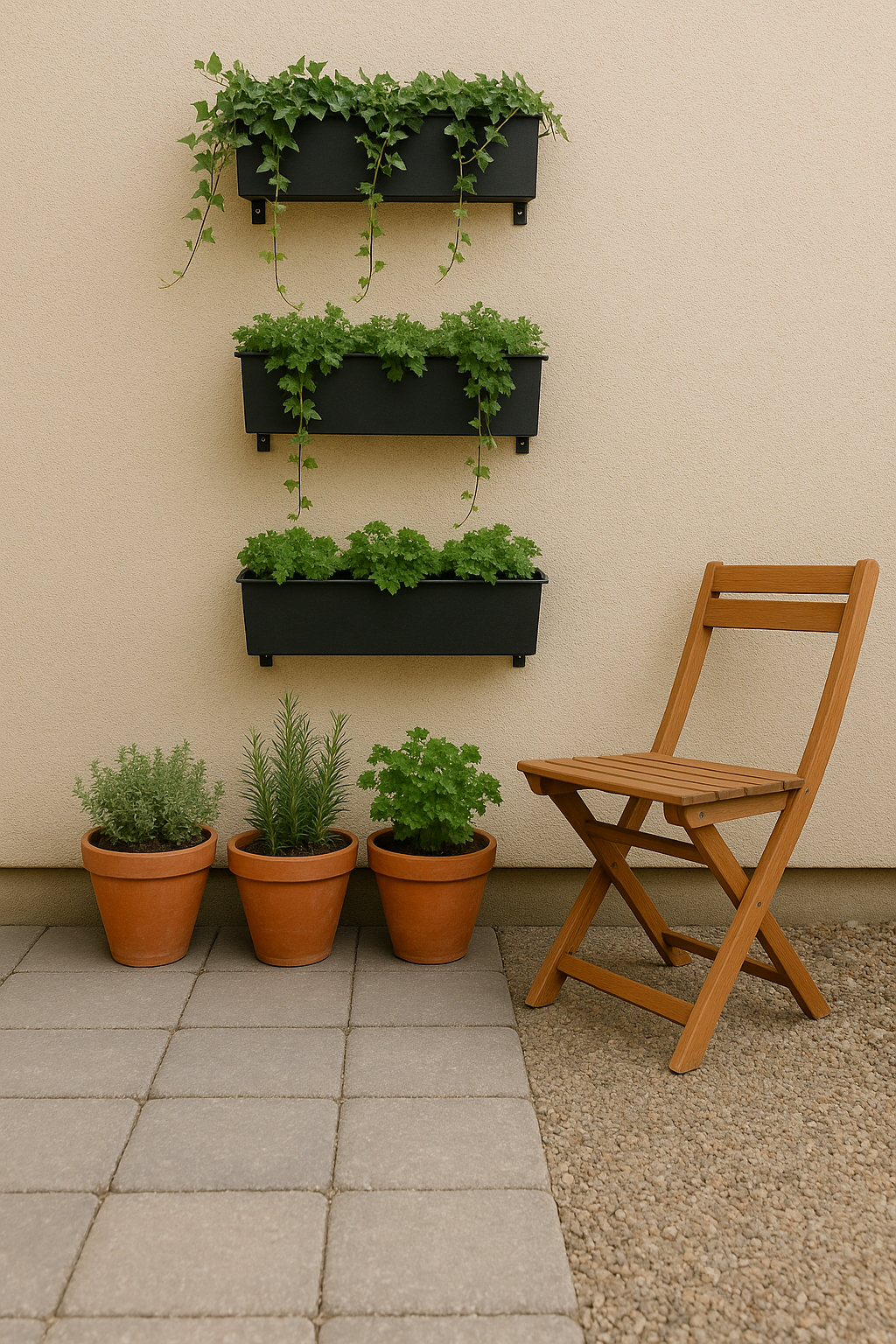
Use wall planters, hanging baskets, or trellises to lift plants off the ground. This keeps your small outdoor patio layout open while surrounding you with greenery. Try growing herbs, ferns, or flowers that match your sunlight levels.
According to horticulture experts at Clemson University Extension, vertical gardens help maximize planting space, improve air quality, and create privacy in compact yards ( (4) ).
Layer Heights for Depth
Combine tall planters, mid-level pots, and ground covers to add depth. Mixing plant heights draws the eye upward and makes the patio feel bigger. For balance, place taller plants at the edges and shorter ones near seating areas.
Pick the Right Containers
Use lightweight containers made of resin or fiberglass. These are easy to move when rearranging or cleaning. Choose pots in similar colors or textures for a clean, unified look.
Create Privacy Without Closing In
Privacy matters, especially in small backyards close to neighbors. The goal is to feel tucked away without blocking light or air.
Use Natural Screens
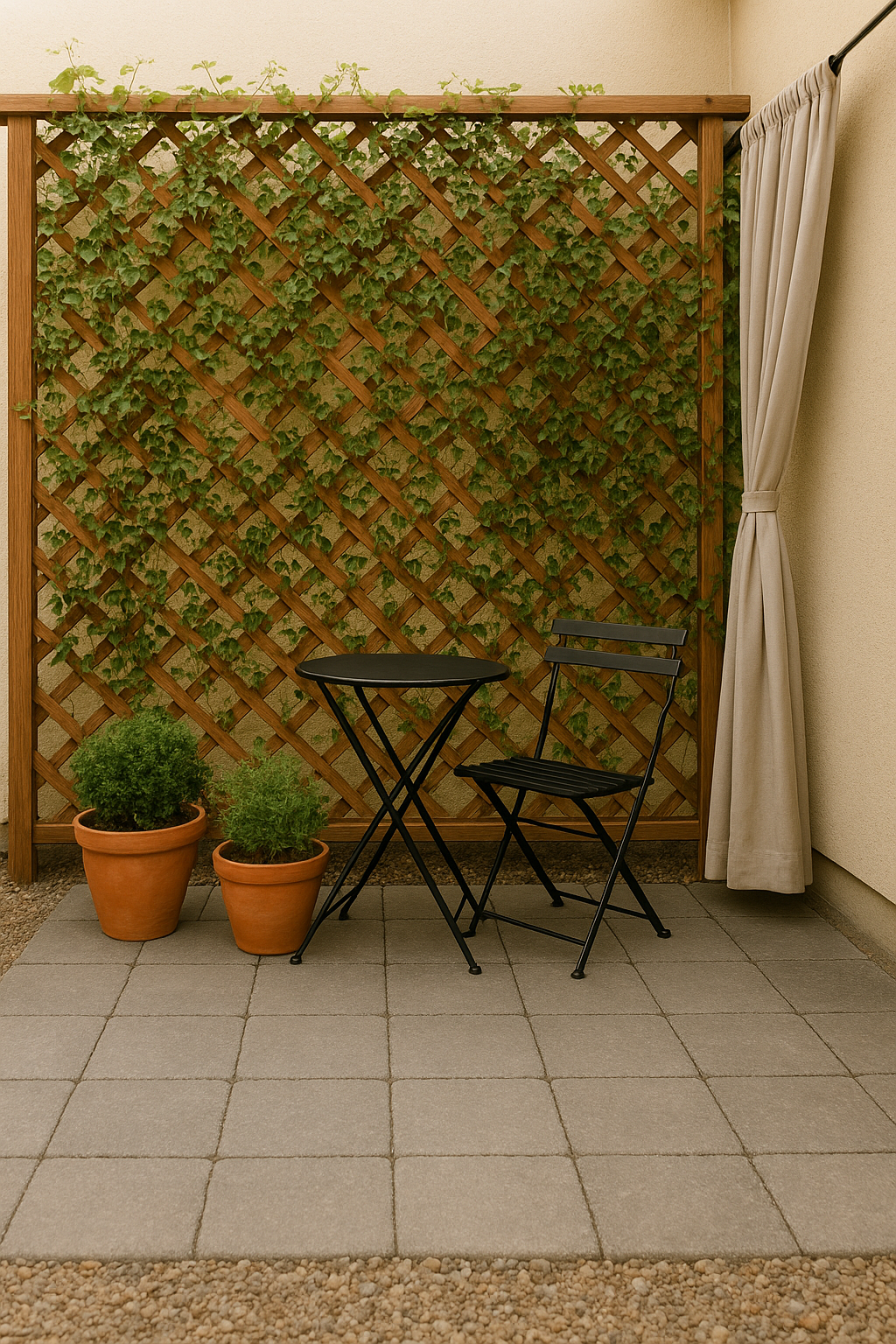
Plants are an easy, natural way to create privacy. Tall grasses, bamboo, or climbing vines can block views while keeping the space open. Lattice panels or trellises with climbing plants also add color and texture.
Research from the University of Florida IFAS Extension shows that living screens like vines or shrubs not only provide privacy but also lower noise and improve airflow compared to solid walls (5).
Add Light Barriers
If you rent or don’t want permanent structures, try outdoor curtains or freestanding screens. These can be taken down easily and give your patio a soft, cozy look. Position them to block unwanted views without making the space feel boxed in.
Balance Openness and Comfort
Mix solid and open materials. A bamboo divider with gaps or a planter wall with spaces between pots keeps air flowing while giving you seclusion.
Use Lighting for Evening Comfort
Good lighting can turn a small backyard patio into a cozy space after sunset. It also improves safety and highlights your design features.
Choose the Right Type of Lighting
For small patio lighting ideas, start simple. Combine three types of light:
- Ambient light: for overall brightness, like string lights or hanging lanterns.
- Task light: for reading or dining, such as small table lamps or wall-mounted fixtures.
- Accent light: to highlight plants, water features, or artwork.
According to the University of Minnesota Extension, layering different types of outdoor lighting improves function and mood in small outdoor spaces (6). Soft, warm lighting makes areas feel inviting without being harsh.
Go Solar or LED
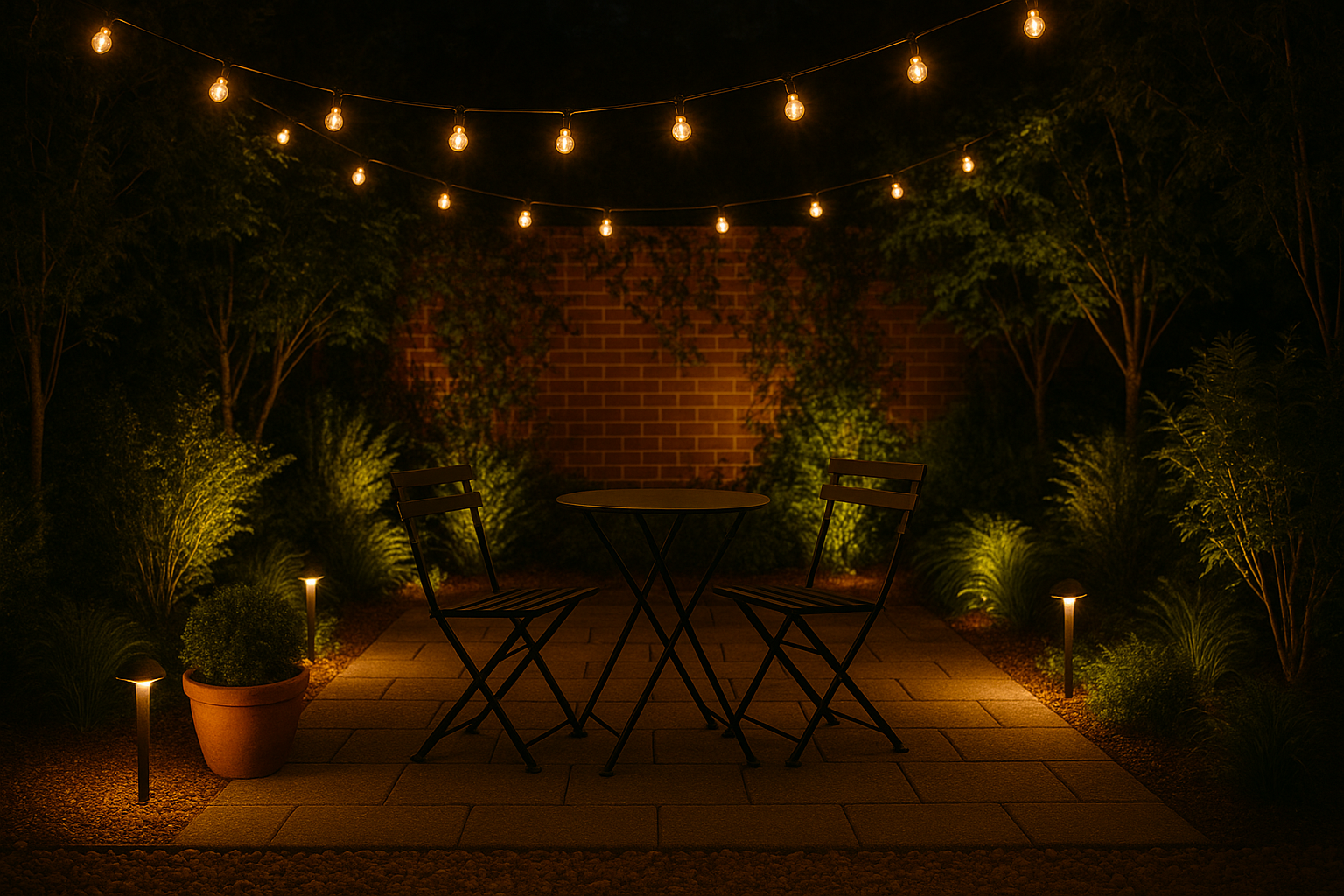
Solar lights are easy to install and cost nothing to run. LED lights last longer and use very little energy. Both are perfect for DIY projects and renters. Place path lights along walkways or near steps for safety.
Use Lighting for Depth
Hang string lights above eye level to make ceilings feel higher. Place small spotlights at the base of plants or walls to draw the eye upward. This trick helps small patios appear larger at night.
Add a Focal Point
Every patio, no matter the size, needs one thing that catches the eye. A focal point gives structure to your design and makes the space feel intentional.
Pick a Central Feature
Choose one standout item, such as:
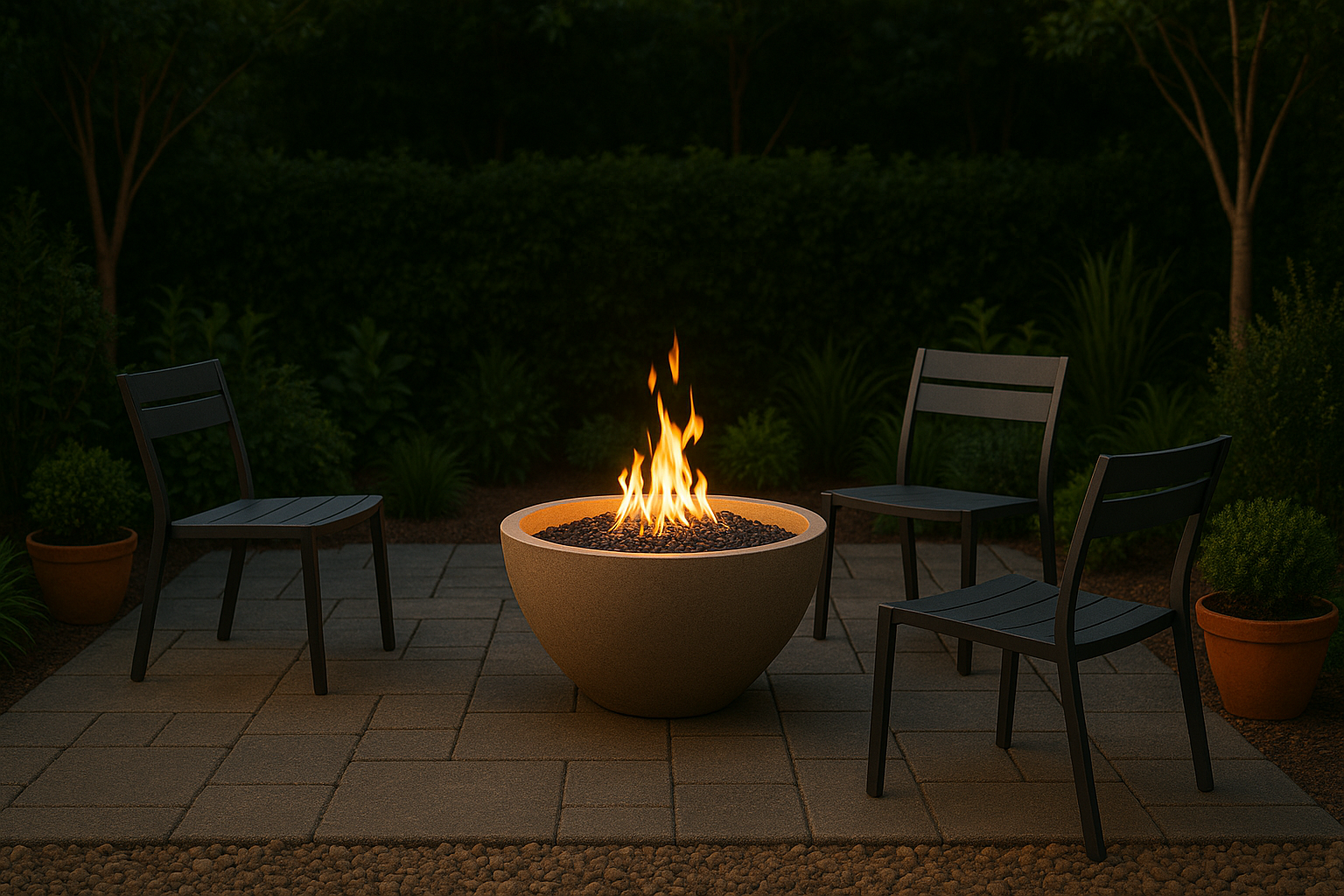
- A compact fire bowl
- A small fountain or water basin
- A large planter with colorful flowers
According to design advice from the University of California Agriculture and Natural Resources, focal points guide the viewer’s attention and make even tight areas feel balanced and complete ( (7) ).
Keep It in Scale
Your focal point should fit the space. A small patio needs a feature that adds character without overwhelming it. For example, a tabletop fountain can replace a large waterfall, and a low fire bowl can replace a full fire pit.
Frame the Feature
Arrange furniture around your focal point to make it the visual anchor. Add lighting or surrounding plants to highlight it during the evening.
9. Budget-Friendly Patio Upgrades
You don’t need a large budget to improve your patio. Simple updates can refresh the look and make your small space more inviting.
Try Low-Cost Materials
Many great small backyard patio design ideas start with repurposing materials. Use leftover bricks, concrete pavers, or reclaimed wood to build borders or small decks. Gravel is also an affordable option that adds texture and drains well.
According to the North Carolina Cooperative Extension, locally available materials often cost less and can blend naturally with your landscape ( (8) ). Buying from local suppliers also reduces delivery costs.
DIY Decor That Works
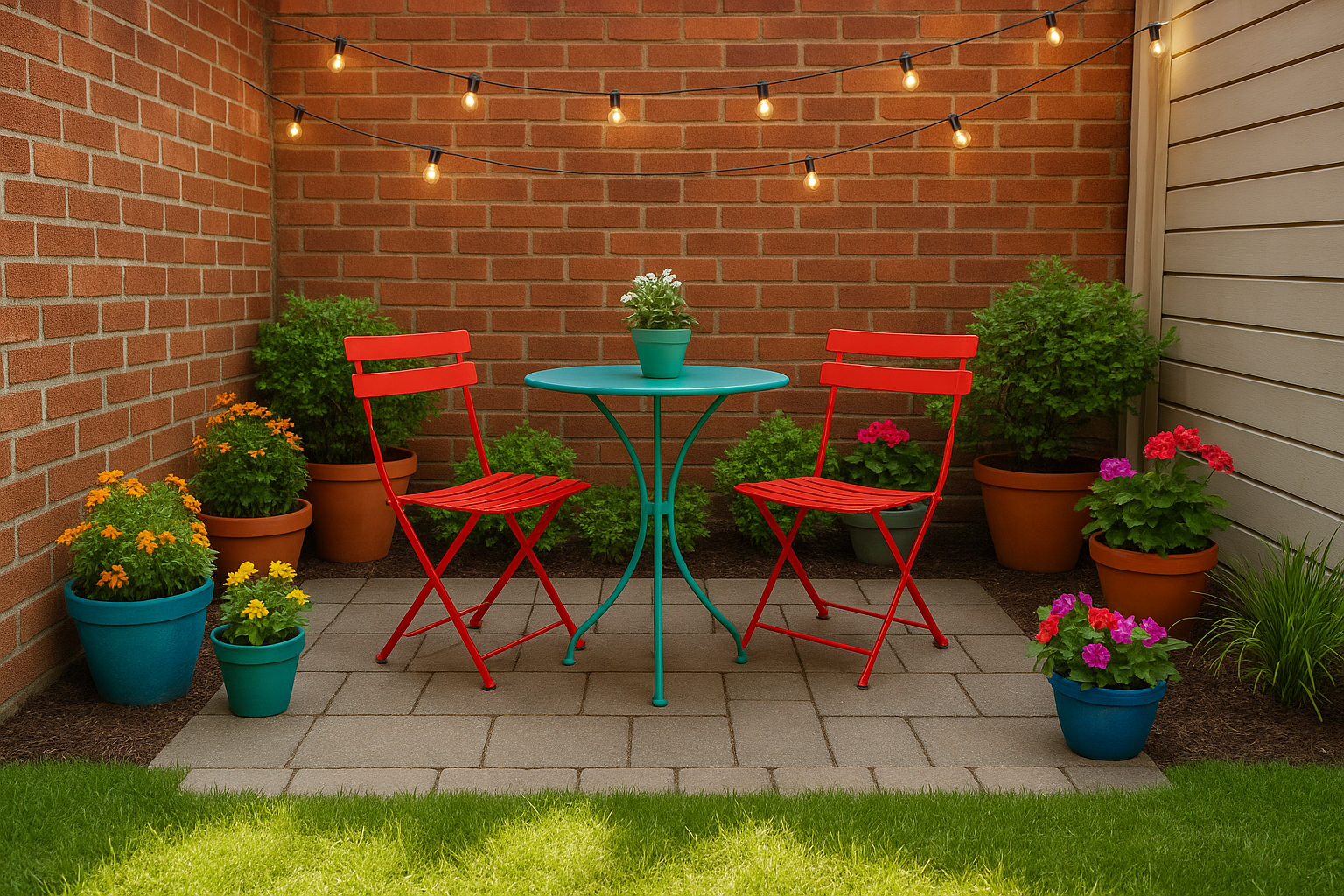
Add outdoor rugs, paint old furniture, or hang string lights. These quick changes create a new look without major work. You can also build small planter boxes or benches with basic tools.
| Project | Time | Estimated Cost |
|---|---|---|
| Repaint metal chairs | 1–2 hours | $15–$25 |
| Add outdoor rug | 10 minutes | $30–$60 |
| Build wood planter | 2–3 hours | $20–$40 |
Refresh with Color and Plants
If your patio feels dull, bring it to life with plants and color. Mix flowers, herbs, and foliage for variety. Replace faded cushions or add a new tablecloth to brighten the space. Small updates often make the biggest visual difference.
FAQs: Small Patio Design Questions Answered
Use light colors, slim furniture, and open layouts. Add vertical planters to draw the eye upward. Keep pathways clear and use mirrors or reflective surfaces to create a sense of space.
Choose plants that thrive in containers and need little care, such as succulents, hostas, and ornamental grasses. For shaded patios, ferns and begonias do well. Local garden centers or your state extension office can recommend plants suited to your climate.
Start with a simple gravel or paver base. Use recycled materials and DIY furniture to cut costs. Plan carefully before buying supplies to avoid waste. According to Iowa State University Extension, small, well-planned projects often save both time and money.
Conclusion
Small backyard patio design ideas work best when you keep it simple. Plan your layout, choose materials you can manage, and build in stages. Over time, you can add new plants, lighting, and decor as your vision grows.
Like this story? Get more like it.
We respect your privacy. Unsubscribe anytime.